
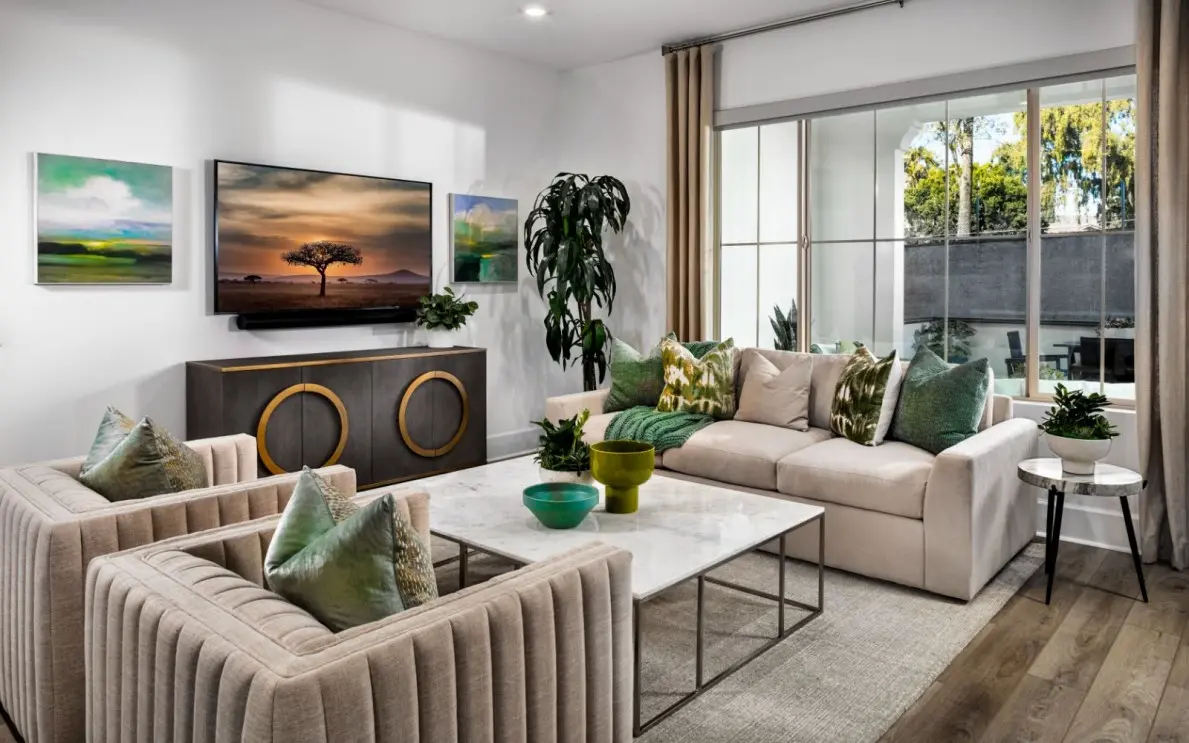
A calm home is more than just a beautiful place to live. It is a space that helps you relax, recharge, and feel comfortable after a busy day. Whether you live in a small apartment or a large house, your surroundings have a direct impact on your mood, productivity, and overall well-being.
Creating a peaceful home does not require expensive furniture or a complete renovation. Small, thoughtful changes can make a significant difference. From reducing clutter to choosing soothing colors and adding natural elements, every decision contributes to a more relaxing environment.
In this guide, you’ll discover simple ways to create a calm living space using practical ideas that are easy to apply. These tips will help you transform your home into a peaceful retreat where you can truly unwind.
Why a Calm Living Space Matters
A well-designed living space supports both mental and physical wellness. When your home feels organized and balanced, it becomes easier to focus, sleep better, and reduce everyday stress.
Research has shown that cluttered environments can increase feelings of anxiety, while organized spaces promote relaxation. A calm home also encourages healthier daily habits, better family interactions, and improved work-life balance, especially if you work remotely.
Instead of chasing perfect interior design trends, focus on creating a space that feels peaceful and reflects your personal lifestyle.
Declutter Before You Decorate
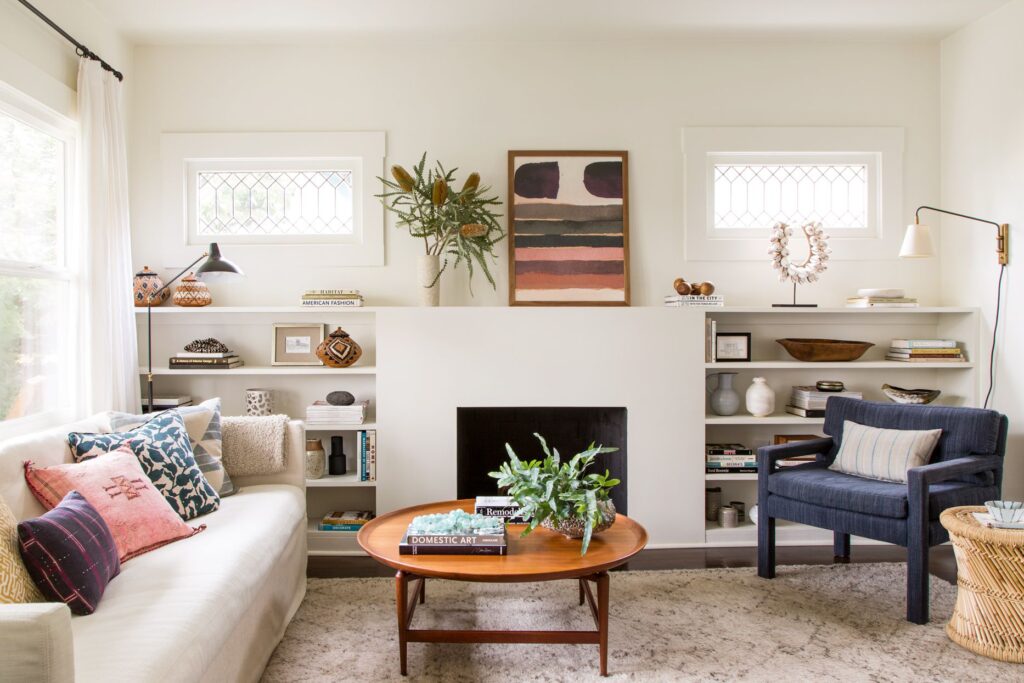
One of the easiest ways to create a calm living space is by removing unnecessary items. Clutter often creates visual stress, making even beautiful rooms feel overwhelming.
Start by cleaning one area at a time rather than trying to organize your entire home in one day. Keep only the items you use regularly or truly enjoy.
Some easy decluttering ideas include:
- Remove duplicate items.
- Donate clothes and furniture you no longer use.
- Store seasonal decorations out of sight.
- Keep countertops as clear as possible.
- Use baskets and storage boxes to hide everyday essentials.
Remember that empty space is not wasted space. It allows your room to feel open, breathable, and relaxing.
Choose Soft and Natural Colors
Color plays a major role in creating a peaceful atmosphere.
Neutral shades such as white, beige, cream, soft gray, and light taupe create an airy feeling while making rooms appear larger. Gentle greens and muted blues also work well because they remind us of nature.
If you enjoy brighter colors, use them as small accents through cushions, artwork, or decorative accessories instead of covering entire walls.
A balanced color palette helps maintain visual harmony throughout your home.
Best Colors for a Relaxing Home
- Warm white
- Soft beige
- Sage green
- Dusty blue
- Light gray
- Sand tones
- Pale olive
These shades blend beautifully with natural materials and create a timeless look.
Maximize Natural Light
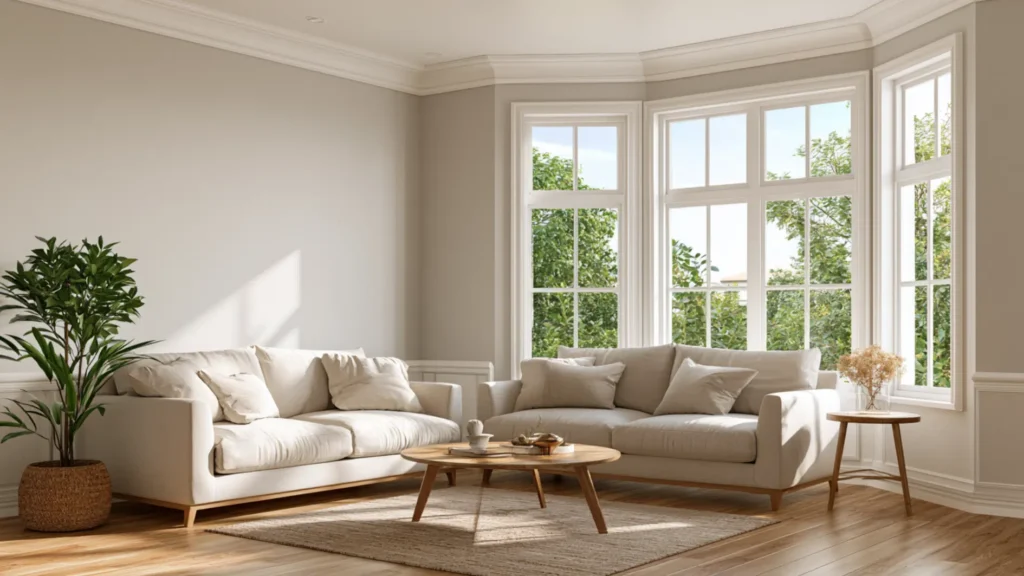
Natural light instantly makes any room feel more welcoming and peaceful.
Open your curtains during the day to allow sunlight inside. If privacy is important, choose sheer curtains that let light pass through while maintaining coverage.
Mirrors can also help reflect daylight across the room, making smaller spaces appear brighter.
If your home doesn’t receive much sunlight, select warm LED lighting instead of harsh white bulbs. Layer different light sources such as floor lamps, table lamps, and wall lights to create a softer atmosphere during the evening.
Bring Nature Indoors
Adding natural elements is one of the most effective simple ways to create a calm living space.
Indoor plants improve the appearance of your home while introducing freshness and texture. Even low-maintenance plants can instantly make a room feel more alive.
Popular indoor plants include:
- Snake Plant
- Peace Lily
- ZZ Plant
- Pothos
- Spider Plant
- Rubber Plant
If maintaining plants isn’t practical, natural materials such as wood, bamboo, linen, cotton, stone, and woven baskets also create an organic and calming feel.
Fresh flowers, dried grasses, and small indoor herb gardens are excellent additions as well.
Create Comfortable Seating Areas
Your living room should invite relaxation rather than simply looking stylish.
Arrange furniture to encourage conversation and comfort. Avoid overcrowding the room with too many chairs or decorative pieces.
Choose soft cushions, cozy blankets, and supportive seating that makes spending time at home enjoyable.
A reading corner with a comfortable chair, soft lighting, and a small side table can become your favorite place to unwind after work.
Comfort should always come before trends.
Reduce Visual Noise
Many homes become overwhelming because every wall, shelf, and surface is filled with decorations.
Instead of displaying everything at once, choose a few meaningful pieces.
Keep decorative items balanced by leaving some empty space around them. This helps each item stand out while reducing visual distractions.
Simple framed artwork, ceramic vases, books, and candles often create a more sophisticated appearance than overcrowded displays.
Use Soft Textures
Texture adds warmth without making a room feel busy.
Layer different materials such as:
- Cotton throws
- Linen curtains
- Wool rugs
- Knitted cushions
- Wooden furniture
- Woven baskets
Mixing natural textures creates depth while maintaining a peaceful appearance.
Soft fabrics also improve comfort during colder months.
Keep Your Home Clean with Daily Habits
A calm home is easier to maintain when cleaning becomes part of your daily routine.
Simple habits include:
- Make the bed every morning.
- Wash dishes after meals.
- Put items back where they belong.
- Wipe kitchen counters daily.
- Vacuum high-traffic areas weekly.
These small routines prevent mess from building up and make deep cleaning much easier.
Consistency matters more than perfection.
Add Relaxing Scents
Our sense of smell has a strong connection to relaxation.
Natural scents can make your home feel peaceful without overwhelming the space.
Popular calming fragrances include:
- Lavender
- Chamomile
- Sandalwood
- Cedarwood
- Vanilla
- Eucalyptus
Use essential oil diffusers, soy candles, or natural room sprays instead of heavily scented artificial products.
Subtle fragrance creates a welcoming atmosphere without becoming distracting.
Minimize Digital Distractions
Technology is useful, but too many screens can make your home feel hectic.
Create screen-free zones where possible.
Avoid placing televisions in every room, and keep charging cables organized using cable management boxes.
Consider placing your phone away during meals or before bedtime to create a more peaceful environment.
A calm living space supports both physical comfort and mental clarity.
Personalize Your Space Thoughtfully
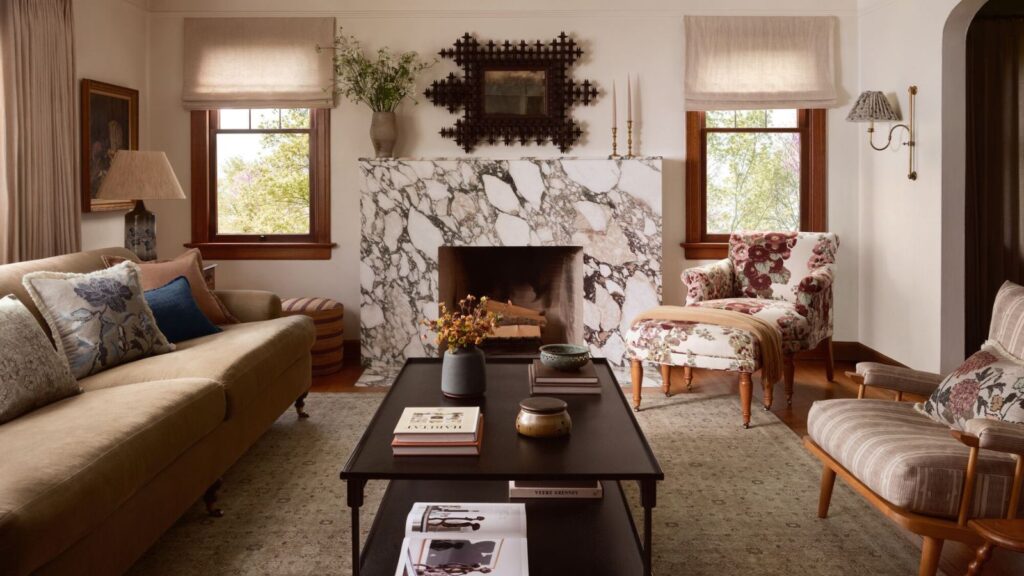
Your home should reflect your personality without becoming cluttered.
Display meaningful travel souvenirs, family photographs, favorite books, or handmade artwork that brings positive memories.
Choose quality over quantity.
Instead of filling shelves with random decorations, focus on items that truly make you happy.
Personal touches help transform a house into a comforting home.
Create a Peaceful Bedroom
Since quality sleep affects every part of your health, the bedroom deserves extra attention.
Keep bedroom colors soft and relaxing.
Avoid unnecessary furniture that limits movement.
Invest in comfortable bedding made from breathable natural fabrics.
Reduce bright lighting before bedtime and keep electronic devices away from your sleeping area whenever possible.
A peaceful bedroom encourages deeper, more restful sleep.
Organize Storage Efficiently
Good organization supports a calm lifestyle.
Use storage solutions that fit naturally into your home.
Some practical options include:
- Under-bed storage boxes
- Floating shelves
- Storage ottomans
- Drawer dividers
- Closet organizers
- Decorative baskets
Hidden storage reduces visible clutter while keeping everyday items easy to access.
Make Every Room Functional
Each room should have a clear purpose.
Avoid mixing too many activities into one area whenever possible.
For example:
- Reading corner for relaxation.
- Dining table for meals.
- Desk for work.
- Living room for socializing.
Defined spaces help your brain transition between activities, reducing stress and improving focus.
Seasonal Refresh Ideas
Refreshing your home with the seasons keeps your environment feeling new without major expenses.
In spring, introduce fresh flowers and lighter fabrics.
During summer, use airy curtains and natural textures.
Autumn is perfect for warm blankets and earthy colors.
Winter feels cozier with candles, layered textiles, and soft lighting.
Small seasonal updates keep your living space feeling fresh throughout the year.
Common Mistakes to Avoid
Many people unintentionally create stressful environments despite good intentions.
Avoid these common mistakes:
- Buying furniture before measuring the room.
- Using too many decorative colors.
- Ignoring storage needs.
- Blocking natural light.
- Filling every empty wall.
- Choosing style over comfort.
- Allowing clutter to accumulate.
Keeping your design simple usually creates a more timeless and relaxing result.
Frequently Asked Questions
How can I create a calm living space on a budget?
Start by decluttering, rearranging furniture, cleaning regularly, adding affordable indoor plants, and using soft lighting. Small improvements often have the biggest impact.
What colors make a home feel peaceful?
Neutral shades like white, beige, soft gray, sage green, and muted blue are known for creating relaxing interiors.
Do indoor plants really help create a calming atmosphere?
Yes. Indoor plants add natural beauty, improve visual comfort, and help create a fresh, inviting environment.
How do I make a small living room feel calmer?
Reduce unnecessary furniture, use light-colored walls, maximize natural light, keep storage organized, and avoid overcrowding decorations.
What is the first step toward creating a peaceful home?
Decluttering is usually the most effective starting point. Removing unnecessary items immediately makes a space feel cleaner, larger, and more relaxing.
Conclusion
Creating a peaceful home does not depend on expensive renovations or luxury furniture. The most effective changes are often the simplest ones. Decluttering, choosing calming colors, maximizing natural light, adding plants, organizing storage, and focusing on comfort all contribute to a more relaxing environment.
These simple ways to create a calm living space can help you design a home that supports your mental well-being while making everyday life more enjoyable. Start with one room, make gradual improvements, and allow your space to evolve naturally over time. A calm home is not about perfection—it’s about creating an environment where you feel comfortable, balanced, and truly at peace.

Leave a Reply