
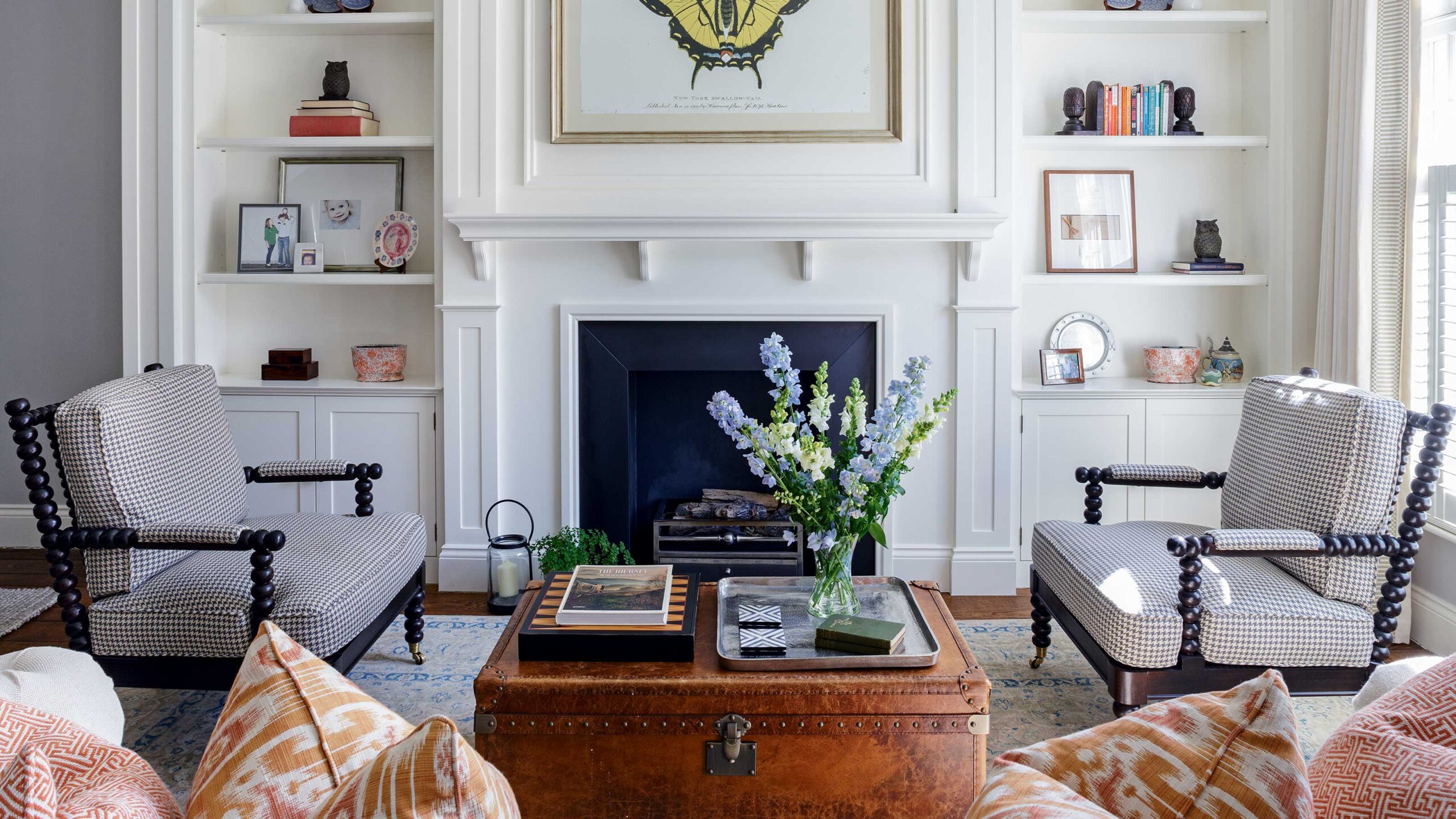
Creating a peaceful home does not require an expensive makeover or a professional designer. The smallest changes often have the biggest impact on how your home feels. A calm environment can reduce stress, improve focus, encourage better sleep, and make everyday life more enjoyable. Whether you live in a spacious house or a compact apartment, thoughtful decorating choices can transform your surroundings into a relaxing retreat.
Simple home decor ideas for a calming space focus on comfort, natural beauty, organization, and mindful design rather than filling every corner with decorative items. By choosing soothing colors, comfortable furniture, natural materials, and clutter-free layouts, you can create a home that feels welcoming every day.
This guide shares practical, affordable, and easy-to-follow ideas that help you design a peaceful living space without major renovations.
Why a Calm Home Environment Matters
A home should be a place where your mind and body can relax after a busy day. Studies in environmental psychology suggest that our surroundings influence our emotions, productivity, and overall well-being.
A calming space can help you:
- Reduce daily stress
- Improve concentration
- Sleep better
- Feel more organized
- Create a welcoming atmosphere for family and guests
Instead of following every interior trend, focus on timeless decorating choices that support comfort and balance.
Choose Soft and Neutral Colors
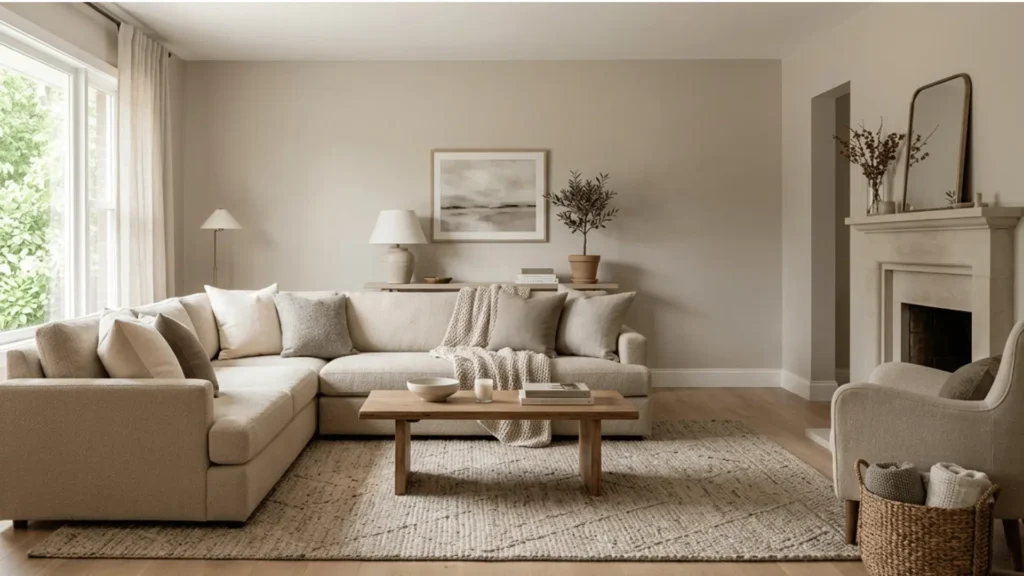
Color has one of the strongest effects on mood. Soft, muted shades naturally create a sense of relaxation and openness.
Some excellent calming colors include:
- Warm white
- Cream
- Beige
- Light gray
- Sage green
- Dusty blue
- Soft taupe
These shades reflect natural light beautifully and make rooms appear larger and brighter. You can introduce gentle color through walls, cushions, curtains, rugs, and decorative accessories.
Avoid using too many bright or contrasting colors in the same room if your goal is to create a peaceful atmosphere.
Declutter Every Room
One of the easiest simple home decor ideas for a calming space is removing unnecessary clutter.
When surfaces are crowded with decorations, paperwork, and random items, the room feels visually busy. Keeping only meaningful or useful objects instantly creates a cleaner and more relaxing environment.
Simple decluttering habits include:
Store Everyday Items Properly
Use baskets, storage boxes, and cabinets to organize items instead of leaving them on tables or countertops.
Decorate with Intention
Instead of displaying dozens of decorative pieces, choose a few items that you genuinely enjoy.
Keep Open Spaces Visible
Empty space is an important part of interior design. Not every wall or shelf needs decoration.
Let Natural Light Fill Your Home
Natural light instantly makes a home feel happier, fresher, and more peaceful.
Open curtains during the day whenever possible. Choose light-colored window treatments that allow sunlight to enter without sacrificing privacy.
You can also increase brightness by:
- Using mirrors opposite windows
- Choosing light-colored furniture
- Keeping windows clean
- Avoiding oversized furniture that blocks sunlight
Rooms with plenty of daylight often require fewer decorative elements because the light itself creates warmth and beauty.
Bring Nature Indoors
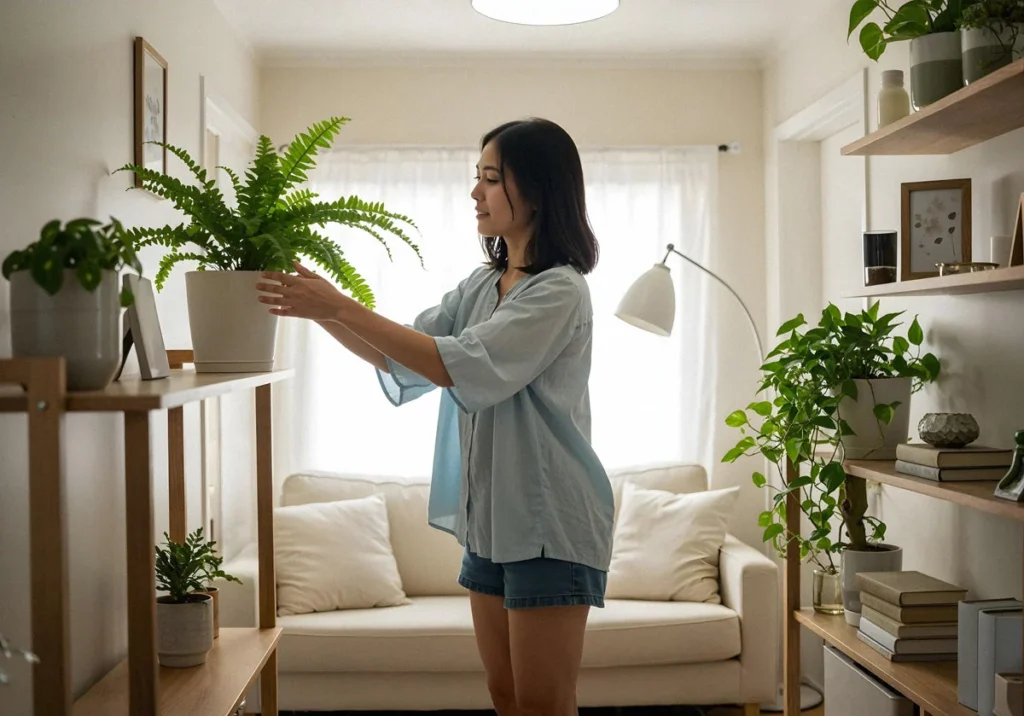
Plants are one of the simplest ways to create a calming atmosphere. They introduce color, texture, and life while helping your home feel connected to nature.
Popular low-maintenance indoor plants include:
- Snake Plant
- Pothos
- Peace Lily
- Spider Plant
- ZZ Plant
- Rubber Plant
If caring for live plants feels difficult, high-quality artificial plants can still add softness and natural beauty.
Fresh flowers in a simple vase can also brighten a room without overwhelming the space.
Choose Comfortable Furniture
Beautiful furniture should also be comfortable.
Instead of buying trendy pieces that may quickly go out of style, choose furniture that supports relaxation.
Look for:
- Soft sofas
- Comfortable chairs
- Natural wood finishes
- Rounded edges
- Cozy cushions
- Supportive mattresses
Furniture with simple lines often creates a cleaner and more peaceful appearance than heavily decorated designs.
Use Natural Materials
Natural textures make interiors feel warm and inviting.
Popular materials include:
- Wood
- Cotton
- Linen
- Bamboo
- Wool
- Rattan
- Stone
- Jute
Mixing these materials creates depth without making a room feel busy.
For example, a wooden coffee table paired with linen curtains and a woven basket creates a balanced, relaxing look.
Add Soft Lighting
Lighting changes the mood of any room.
Bright white lights may be useful for working but often feel harsh during evenings.
Instead, combine different light sources:
Table Lamps
Soft table lamps create warm corners perfect for reading.
Floor Lamps
Floor lamps provide gentle lighting without overwhelming the room.
Warm LED Bulbs
Warm white bulbs generally create a more comfortable atmosphere than cool white lighting.
Candles can also provide a relaxing glow, especially during quiet evenings.
Create a Cozy Reading Corner
Even a small unused corner can become a peaceful retreat.
Include:
- A comfortable chair
- Soft blanket
- Small side table
- Reading lamp
- Favorite books
- Indoor plant
This dedicated relaxation space encourages daily breaks from screens and busy routines.
Decorate with Meaningful Items
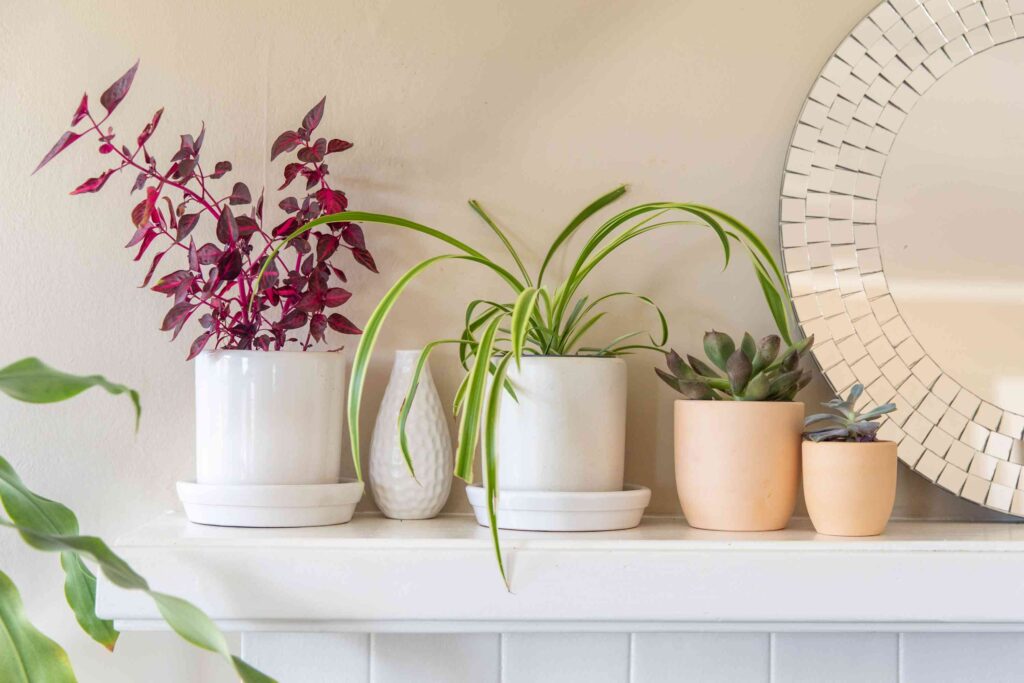
Your home should reflect your personality rather than looking like a furniture showroom.
Display meaningful pieces such as:
- Family photographs
- Handmade pottery
- Travel souvenirs
- Favorite books
- Artwork you genuinely love
Limit decorative items so each piece receives attention instead of competing for space.
Use Soft Textiles Throughout Your Home
Soft fabrics instantly make rooms feel more inviting.
Consider adding:
- Cotton throws
- Linen curtains
- Plush cushions
- Textured rugs
- Comfortable bedding
Layering different textures adds warmth while maintaining a calm appearance.
Choose colors that coordinate instead of creating strong visual contrast.
Keep Bedrooms Peaceful
The bedroom should support quality sleep and relaxation.
Simple improvements include:
- Neutral bedding
- Minimal bedside decorations
- Blackout curtains
- Hidden cable management
- Soft bedside lighting
- Organized wardrobes
Avoid turning the bedroom into a workspace whenever possible.
Add Pleasant Natural Scents
Our sense of smell strongly influences mood.
Gentle fragrances can make a home feel clean and welcoming.
Popular calming scents include:
- Lavender
- Sandalwood
- Vanilla
- Cedarwood
- Chamomile
- Jasmine
Essential oil diffusers, scented candles, or fresh flowers can introduce pleasant aromas without becoming overwhelming.
Reduce Digital Distractions
Modern homes often contain multiple screens in every room.
Creating technology-free areas encourages relaxation and meaningful conversations.
Simple ideas include:
- Keep phones away during meals.
- Create a screen-free reading corner.
- Hide television cables.
- Store electronic accessories neatly.
Less visual technology often contributes to a calmer atmosphere.
Affordable Home Decor Tips
Creating a peaceful home doesn’t require a large budget.
Budget-friendly ideas include:
- Rearrange existing furniture.
- Paint walls with calming colors.
- Buy second-hand wooden furniture.
- Add inexpensive indoor plants.
- Replace bright bulbs with warm lighting.
- Use woven storage baskets.
- Display personal artwork.
- Refresh cushion covers seasonally.
Small improvements made gradually often produce better long-term results than expensive renovations.
Common Decorating Mistakes to Avoid
Many people unintentionally create visual stress through decorating choices.
Avoid these common mistakes:
- Overcrowding shelves
- Using too many colors
- Ignoring natural lighting
- Buying decorations without purpose
- Choosing style over comfort
- Keeping unnecessary clutter
- Using harsh lighting everywhere
Simple and functional spaces usually feel calmer than heavily decorated rooms.
Daily Habits That Keep Your Home Peaceful
Decorating is only one part of maintaining a calming environment.
Daily habits make the biggest difference.
Helpful routines include:
- Make the bed every morning.
- Put items back after use.
- Open windows for fresh air.
- Water plants regularly.
- Wipe surfaces daily.
- Declutter for ten minutes each evening.
These small habits help your home remain clean, organized, and relaxing throughout the week.
Frequently Asked Questions
What colors create the most calming home environment?
Neutral shades such as white, beige, cream, sage green, soft gray, and light blue are widely considered the most relaxing colors for home interiors.
How can I decorate my home on a small budget?
Start by decluttering, rearranging furniture, adding indoor plants, replacing lighting, painting walls, and using affordable textiles like cushions and curtains.
Are indoor plants necessary for a calming space?
No. While plants add natural beauty, you can create a calming home using natural materials, soft lighting, and organized spaces even without live plants.
What type of lighting is best for relaxation?
Warm white LED lighting combined with table lamps, floor lamps, and natural daylight creates a comfortable and peaceful atmosphere.
How often should I declutter my home?
A quick daily tidy-up combined with a deeper decluttering session every month helps maintain a calm and organized living space.
Conclusion
Creating a peaceful home is less about buying expensive furniture and more about making thoughtful choices that support comfort and well-being. By using soft colors, natural materials, warm lighting, indoor plants, organized storage, and meaningful decorations, you can transform any room into a relaxing retreat.
The best simple home decor ideas for a calming space are often the easiest to implement. Small improvements made consistently over time create a home that feels welcoming, balanced, and enjoyable every day. Focus on comfort, simplicity, and functionality, and your living space will naturally become a place where you can unwind, recharge, and truly feel at home.

Leave a Reply