
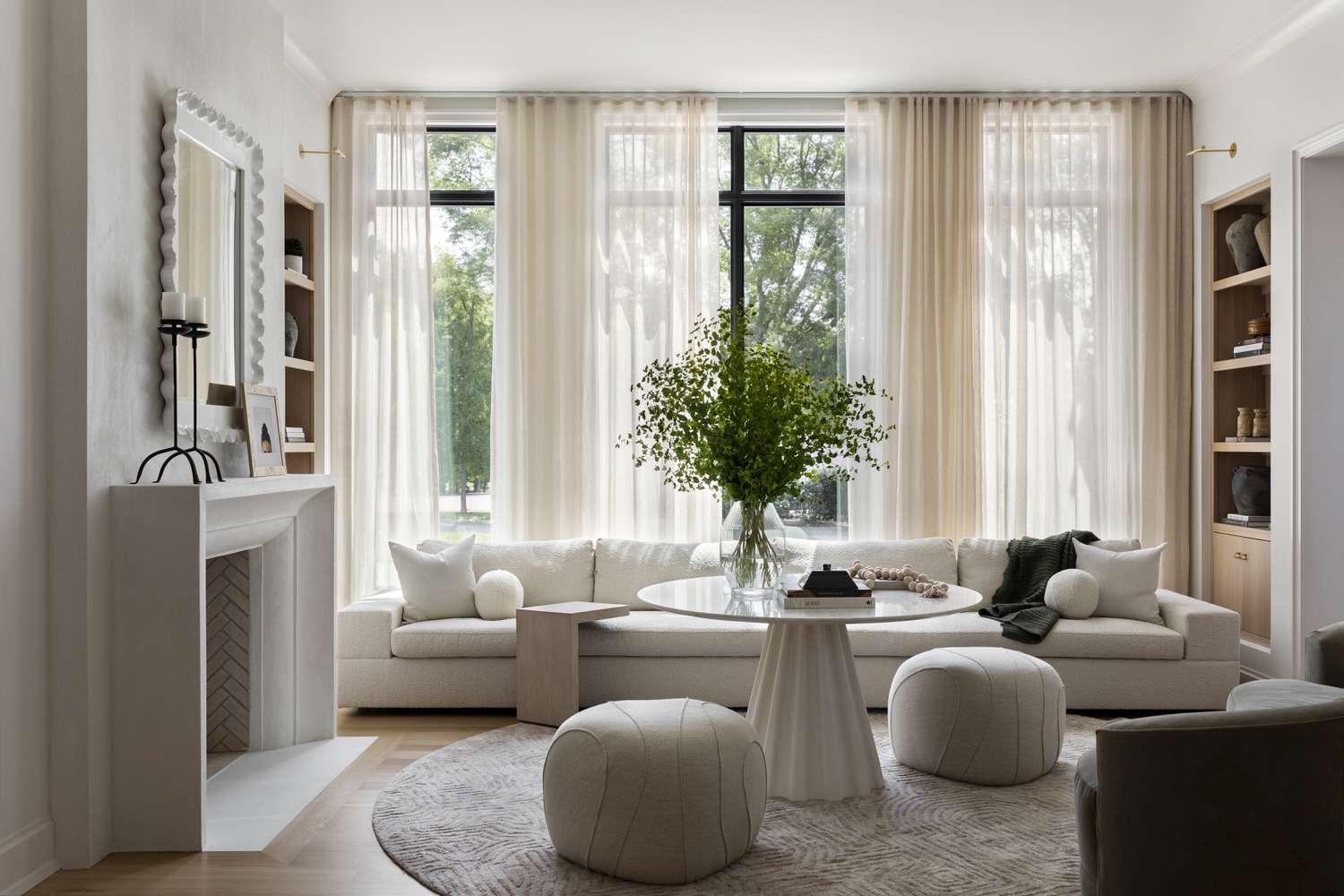
Minimalism is more than just a decorating trend. It is a lifestyle that focuses on simplicity, functionality, and creating spaces that bring peace instead of stress. Many people think minimalist homes look empty or expensive, but the truth is that anyone can create a beautiful minimalist space without spending a fortune.
If you’re new to minimalist design, you don’t need to renovate your entire house overnight. Small, thoughtful changes can transform your home into a calm, organized, and welcoming environment. This guide shares practical minimalist home decor tips for beginners that are easy to follow, budget-friendly, and suitable for every room.
Whether you’re decorating a small apartment or a large family home, these ideas will help you create a timeless interior that feels comfortable and clutter-free.
What Is Minimalist Home Decor?
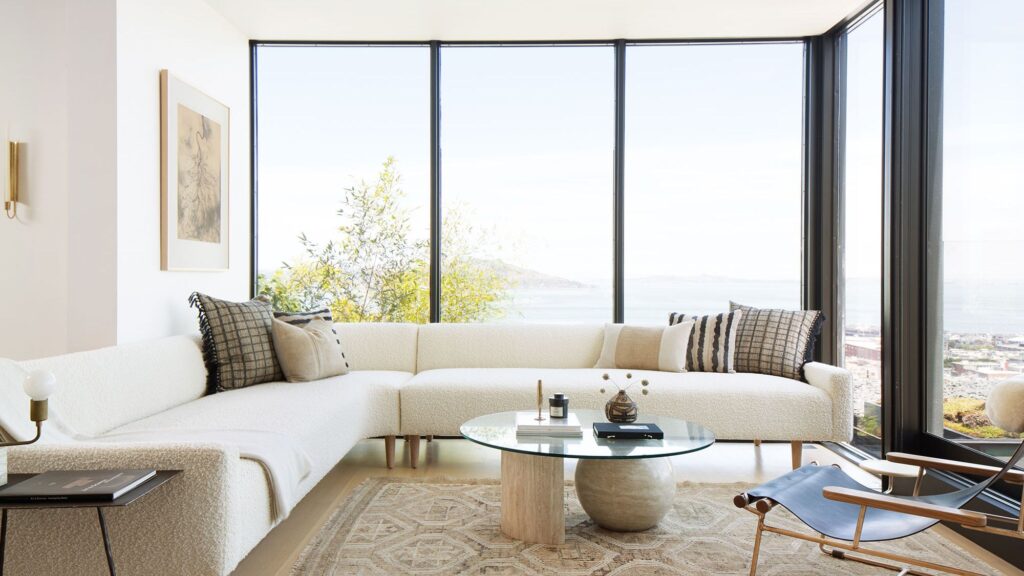
Minimalist home decor is a design style built around the principle of “less is more.” Instead of filling a room with decorative items, the focus is on keeping only what serves a purpose or adds genuine beauty.
A minimalist home usually includes:
- Neutral color palettes
- Functional furniture
- Open spaces
- Natural lighting
- Limited decorative accessories
- Organized storage
The goal isn’t to own as little as possible but to create a space that feels peaceful, practical, and visually balanced.
Why Beginners Love Minimalist Interiors
Minimalist decorating offers several benefits, especially for people just starting their home improvement journey.
Some of the biggest advantages include:
Easier to Keep Clean
With fewer decorative objects and less clutter, cleaning becomes much faster and simpler.
Saves Money
Instead of buying lots of trendy decorations, you invest in fewer high-quality pieces that last longer.
Reduces Stress
A clean and organized home often creates a calmer atmosphere, helping you relax after a busy day.
Never Goes Out of Style
Minimalist interiors rely on timeless designs rather than short-lived trends, making them a smart long-term investment.
Start by Decluttering Your Home
The first step toward minimalist decorating isn’t shopping—it’s removing unnecessary items.
Walk through each room and ask yourself:
- Do I use this regularly?
- Does it serve a purpose?
- Does it make me happy?
Donate, recycle, or sell items you no longer need. Keeping only useful belongings instantly makes your home feel larger and more organized.
Remember, minimalism isn’t about having empty rooms. It’s about making space for what truly matters.
Choose a Neutral Color Palette
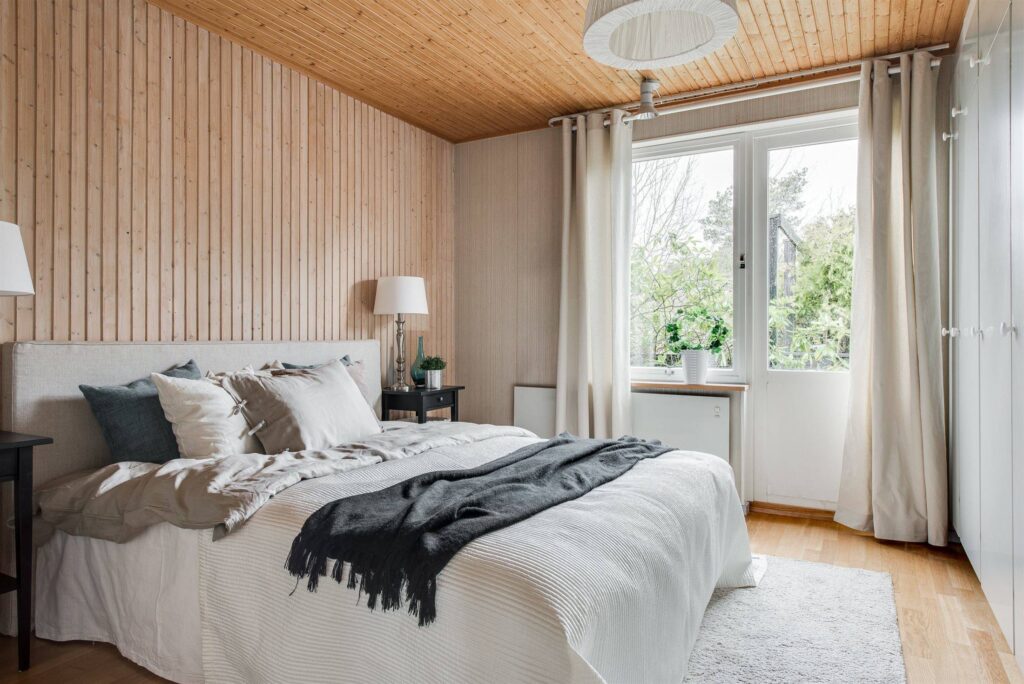
Neutral colors create a peaceful atmosphere and make rooms appear brighter and more spacious.
Popular minimalist color combinations include:
- White and beige
- Cream and soft gray
- Light wood with white walls
- Warm earth tones
- Soft taupe and charcoal
If you enjoy color, use it as an accent through cushions, artwork, or indoor plants rather than painting every wall in bold shades.
Buy Furniture with a Purpose
One of the best minimalist home decor tips for beginners is to avoid purchasing furniture simply because it’s trendy.
Every piece should serve a function.
Good minimalist furniture includes:
- Storage beds
- Coffee tables with drawers
- Floating shelves
- Multi-purpose ottomans
- Simple dining tables
- Comfortable sofas with clean lines
Quality matters more than quantity. Investing in durable furniture often saves money over time.
Let Natural Light Become Your Decoration
Natural light is one of the easiest ways to improve any minimalist interior.
To maximize daylight:
- Use sheer curtains
- Keep windows clean
- Avoid blocking light with oversized furniture
- Place mirrors opposite windows
- Choose light-colored walls
Bright rooms naturally feel larger, fresher, and more inviting.
Decorate with Fewer Accessories
Minimalist homes don’t eliminate decorations—they simply choose them carefully.
Instead of displaying dozens of small items, select a few meaningful pieces.
Examples include:
- A framed artwork
- Ceramic vase
- Indoor plant
- Wooden bowl
- Candle
- Coffee table books
Giving each decorative item enough breathing space makes it stand out more.
Add Texture Instead of Clutter
A common misconception is that minimalist homes feel cold.
The secret is layering different textures.
Mix materials like:
- Linen
- Cotton
- Wool
- Natural wood
- Stone
- Glass
- Rattan
For example, a simple white sofa becomes much warmer with a knitted throw blanket and linen cushions.
Use Hidden Storage
Storage plays a major role in minimalist living.
The cleaner your surfaces look, the more relaxing your home feels.
Consider:
- Under-bed storage boxes
- Built-in wardrobes
- Storage benches
- Decorative baskets
- Drawer organizers
- Floating cabinets
Everything should have its own designated place.
Bring Nature Indoors
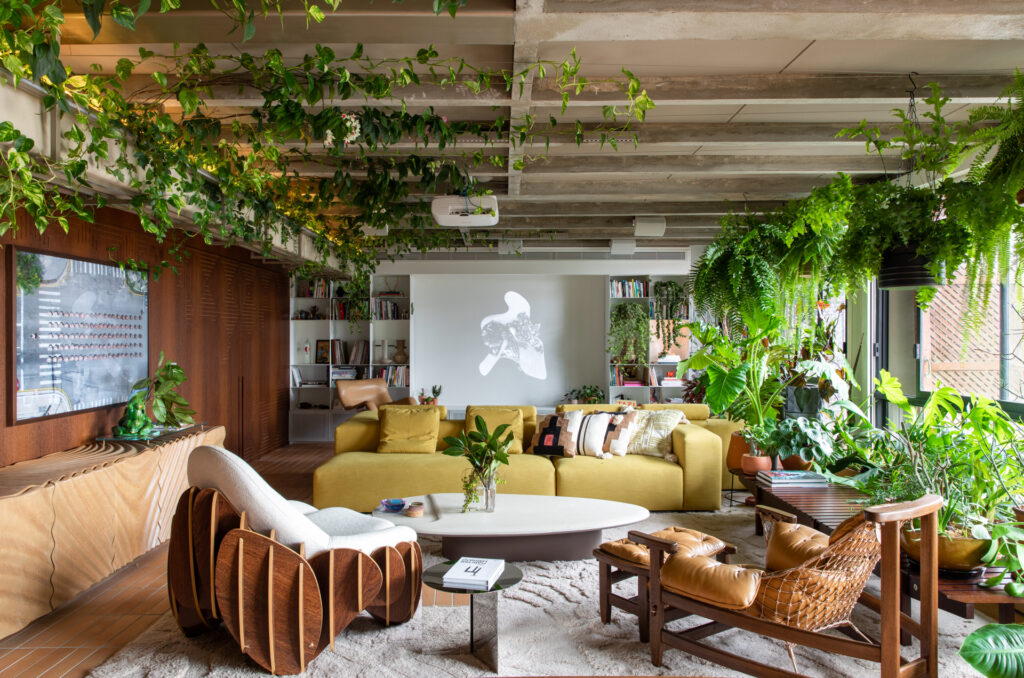
Plants add life without making a room feel crowded.
Some beginner-friendly indoor plants include:
- Snake Plant
- ZZ Plant
- Pothos
- Peace Lily
- Rubber Plant
- Spider Plant
Choose simple ceramic or concrete pots that complement your home’s color palette.
Create Visual Balance
Minimalist rooms look attractive because every object feels intentional.
When arranging furniture:
- Leave enough walking space.
- Avoid pushing every item against the wall.
- Keep surfaces mostly clear.
- Maintain symmetry where possible.
- Group similar items together.
Visual balance creates harmony without needing excessive decoration.
Don’t Chase Every Trend
Social media introduces new home trends almost every week.
Instead of constantly changing your decor, focus on timeless design choices.
Classic furniture, neutral colors, quality materials, and simple accessories remain stylish for years.
Buying fewer but better items is one of the smartest minimalist decorating habits.
Minimalist Decor Ideas for Every Room
Living Room
- Keep the coffee table uncluttered.
- Choose one statement artwork.
- Add one or two indoor plants.
- Use hidden storage furniture.
Bedroom
- Keep bedside tables simple.
- Use plain bedding in neutral colors.
- Store seasonal clothing away.
- Avoid unnecessary decorative items.
Kitchen
- Clear countertops.
- Organize cabinets.
- Store small appliances after use.
- Display only everyday essentials.
Bathroom
- Use matching storage containers.
- Keep toiletries organized.
- Add one small plant or candle.
- Choose white towels for a clean appearance.
Common Mistakes Beginners Should Avoid
Many people misunderstand minimalism.
Avoid these common mistakes:
Buying Everything New
Minimalism doesn’t require replacing your entire home.
Use what you already own whenever possible.
Making Rooms Feel Empty
Minimalism is about intention—not emptiness.
Comfort should never be sacrificed.
Ignoring Storage
Visible clutter quickly ruins a minimalist aesthetic.
Smart storage is just as important as beautiful furniture.
Choosing Style Over Comfort
Your home should feel lived in.
Always prioritize furniture that’s both comfortable and functional.
Budget-Friendly Minimalist Decorating Tips
Creating a minimalist home doesn’t have to be expensive.
You can save money by:
- Shopping second-hand
- Repainting old furniture
- Using natural materials
- Decluttering before buying anything
- Choosing timeless designs
- Investing gradually
Many beautiful minimalist homes evolve over several years rather than being completed all at once.
How to Maintain a Minimalist Home
Once you’ve achieved a clutter-free home, maintaining it becomes much easier.
Develop simple habits such as:
- Putting items back immediately
- Donating unused belongings every few months
- Avoiding impulse purchases
- Cleaning regularly
- Organizing one room at a time
Consistency matters more than perfection.
Frequently Asked Questions
Is minimalist home decor expensive?
No. Minimalism often saves money because you buy fewer, higher-quality items instead of constantly purchasing decorations.
Can a small apartment have minimalist decor?
Absolutely. Minimalist design works especially well in small spaces because it creates a more open and spacious feeling.
What colors are best for minimalist interiors?
White, beige, gray, cream, soft earth tones, and natural wood finishes are the most popular choices.
How many decorative items should I keep?
There is no fixed number. Keep only decorations that add beauty or personal meaning without creating clutter.
Is minimalist decorating suitable for families?
Yes. Families can enjoy minimalist homes by using smart storage solutions, organizing regularly, and choosing functional furniture.
Conclusion
Minimalist home decor is about creating a space that supports your lifestyle instead of overwhelming it. By focusing on simplicity, functionality, and thoughtful design choices, you can build a home that feels calm, organized, and welcoming every day.
As a beginner, start with small changes like decluttering, choosing neutral colors, adding practical furniture, and reducing unnecessary decorations. Over time, these simple improvements will transform your home into a stylish and peaceful living space.
Remember, the best minimalist home isn’t the one with the fewest belongings—it’s the one where every item has a purpose and every room feels comfortable, balanced, and truly yours.

Leave a Reply