
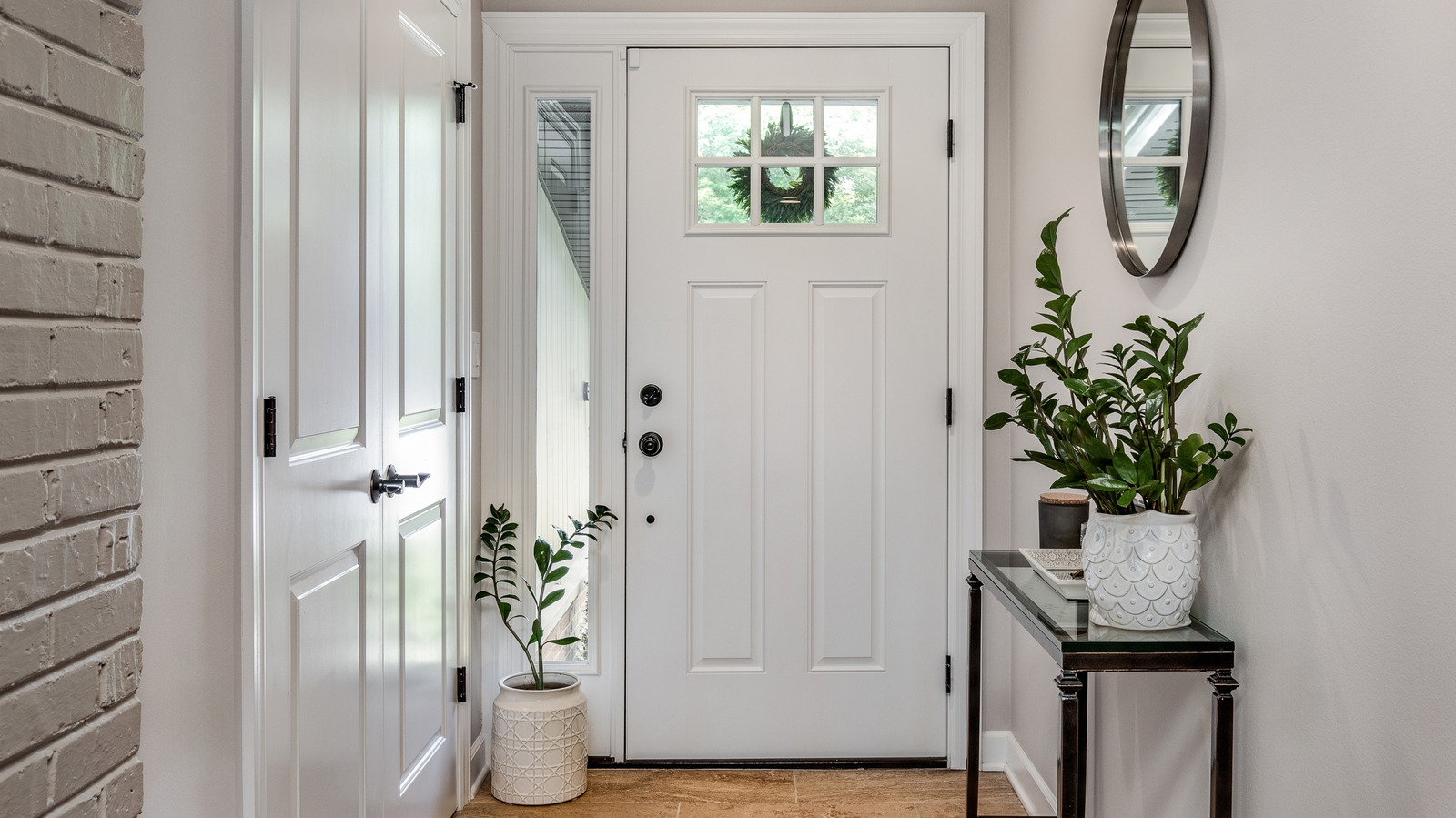
Your entryway is the first space people experience when they step into your home. Whether you’re welcoming guests, returning from work, or preparing your house for a special occasion, the scent of your entrance creates an instant impression. A fresh, pleasant-smelling entryway can make your home feel cleaner, cozier, and more inviting, while unpleasant odors can have the opposite effect.
The good news is that creating a welcoming scent doesn’t require expensive products or constant effort. By combining regular cleaning, natural fragrances, proper ventilation, and a few decorative touches, you can enjoy an entryway that smells fresh every day.
In this guide, you’ll learn how to make your entryway smell inviting with practical, affordable, and long-lasting ideas that work for homes of every size.
Why Your Entryway Develops Unpleasant Odors
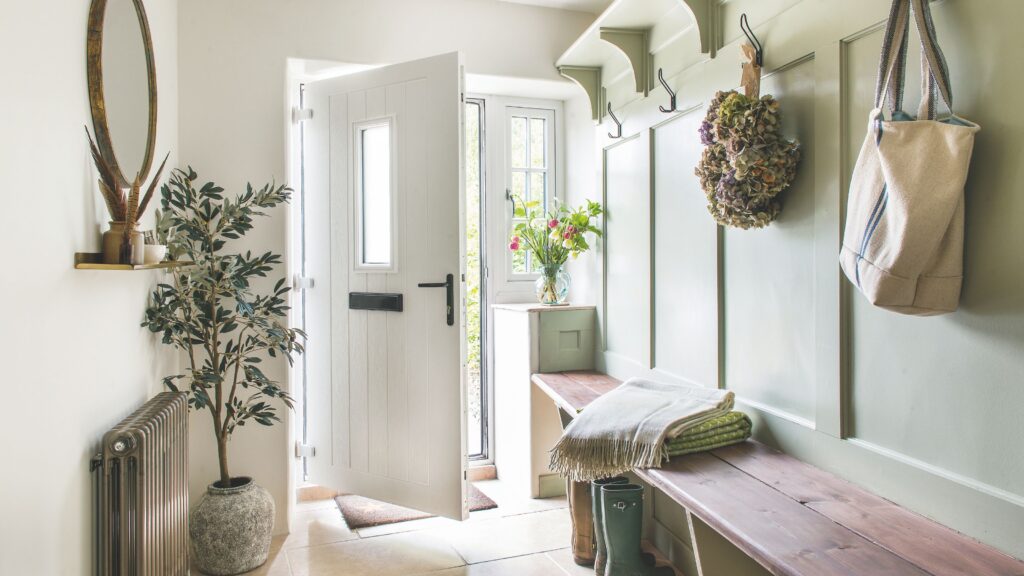
Many homeowners focus on living rooms and kitchens while overlooking the entrance. Since the entryway acts as a transition between the outdoors and indoors, it naturally collects dust, moisture, shoes, pet smells, and outdoor debris.
Common sources of unwanted odors include:
- Dirty shoes and boots
- Wet umbrellas and raincoats
- Pet leashes and accessories
- Damp doormats
- Poor air circulation
- Dust buildup
- Trash or recycling bins nearby
Understanding the source of odors is the first step toward eliminating them instead of simply covering them with air fresheners.
Start with a Thorough Cleaning
A pleasant scent begins with cleanliness. Even the most expensive diffuser cannot hide lingering dirt or mildew for long.
Sweep or vacuum the floor regularly, especially around corners where dust tends to collect. Mop hard floors using a gentle floor cleaner with a fresh scent or a mixture of warm water and a little white vinegar.
Don’t forget to clean:
- Baseboards
- Door frames
- Light switches
- Shoe racks
- Storage benches
- Decorative baskets
If your entryway has carpeting, vacuum it at least twice a week and deep clean it every few months to remove trapped odors.
Wash or Replace Your Doormat
The doormat is one of the biggest odor traps in any home.
Outdoor mats collect mud, leaves, moisture, and bacteria, while indoor mats absorb dirt from shoes. Over time, these can create a stale smell.
Shake out your mats regularly and wash washable mats according to the manufacturer’s instructions. If your mat continues to smell after cleaning, replacing it may be the best option.
Choosing mats made from quick-drying materials also helps prevent mildew.
Keep Shoes Organized and Fresh
Shoes are often the biggest reason an entryway develops unpleasant smells.
Instead of leaving footwear scattered near the door, create a dedicated shoe storage area with good airflow.
Helpful ideas include:
- Open shoe racks
- Ventilated cabinets
- Wooden storage benches
- Woven baskets
You can also place baking soda sachets, activated charcoal bags, or cedar shoe inserts inside shoes to absorb moisture and odors naturally.
Encouraging family members to remove muddy or wet shoes before entering also keeps the area cleaner.
Improve Air Circulation
Fresh air is one of the easiest ways to make your entryway smell inviting.
Whenever weather allows, open your front door and nearby windows for several minutes each day. Better airflow helps remove trapped odors while bringing in fresh outdoor air.
If your entryway doesn’t have windows, consider using:
- A small circulating fan
- An air purifier
- A dehumidifier for damp climates
Reducing excess humidity also prevents mold and mildew odors from developing.
Use Natural Fragrance Instead of Overpowering Scents
Artificial fragrances can sometimes feel overwhelming, especially in smaller entryways.
Natural scents usually create a cleaner and more welcoming atmosphere.
Popular options include:
- Fresh eucalyptus
- Lavender
- Citrus
- Rosemary
- Mint
- Pine
- Cedarwood
These scents provide a subtle freshness without becoming overpowering.
A small vase of fresh greenery near the entrance also adds visual appeal while lightly scenting the space.
Add Reed Diffusers for Continuous Freshness
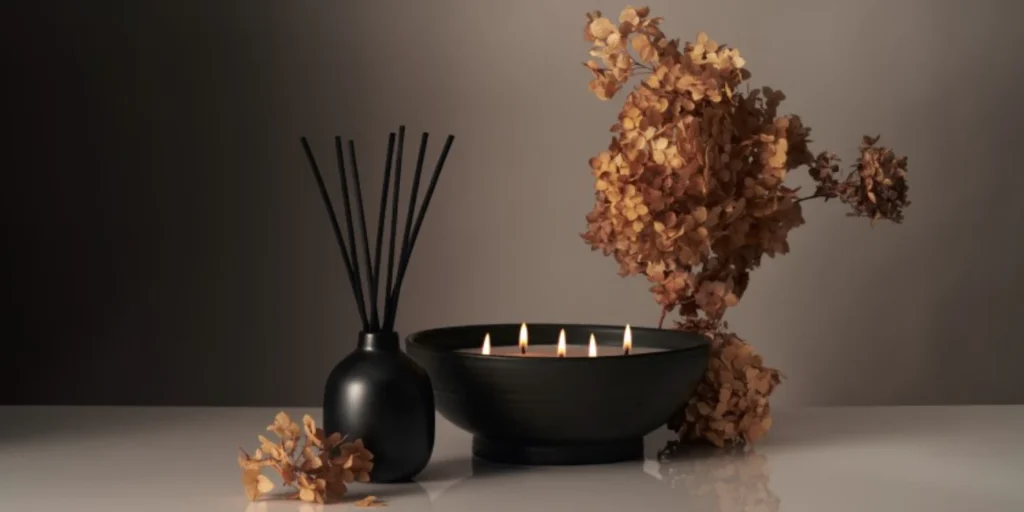
Reed diffusers are one of the easiest ways to maintain a consistent fragrance without electricity or open flames.
Place the diffuser on an entryway table or shelf where it won’t be knocked over.
Light, welcoming fragrances include:
- Lemon verbena
- Fresh linen
- White tea
- Bergamot
- Cotton blossom
- Green bamboo
Flip the reeds every week to refresh the scent.
Use Essential Oils the Right Way
Essential oils offer another natural way to create an inviting entrance.
A few drops placed inside a diffuser can gently fragrance the area for several hours.
Some excellent combinations include:
Citrus and Mint
Bright, refreshing, and ideal for everyday freshness.
Lavender and Cedarwood
Creates a calm, relaxing atmosphere.
Lemon and Eucalyptus
Perfect for giving your home a clean feeling.
Orange and Cinnamon
An excellent choice during autumn and winter.
Avoid applying essential oils directly to wood surfaces since they may leave stains.
Freshen the Air with Indoor Plants
Certain houseplants naturally improve indoor air quality while adding beauty to your entrance.
Good choices include:
- Snake Plant
- Peace Lily
- Spider Plant
- ZZ Plant
- Pothos
Healthy plants also create a welcoming first impression while requiring minimal maintenance.
Just be sure not to overwater them, as soggy soil can produce unpleasant odors.
Keep Moisture Under Control
Moisture is one of the leading causes of musty smells.
If umbrellas, rain boots, or jackets remain damp inside the entryway, odors quickly develop.
Allow wet items to dry completely before storing them.
You can also use:
- Umbrella stands with drip trays
- Waterproof boot trays
- Moisture absorbers
- Small dehumidifiers
Keeping humidity under control prevents mold growth and maintains a fresher environment.
Create Seasonal Scents
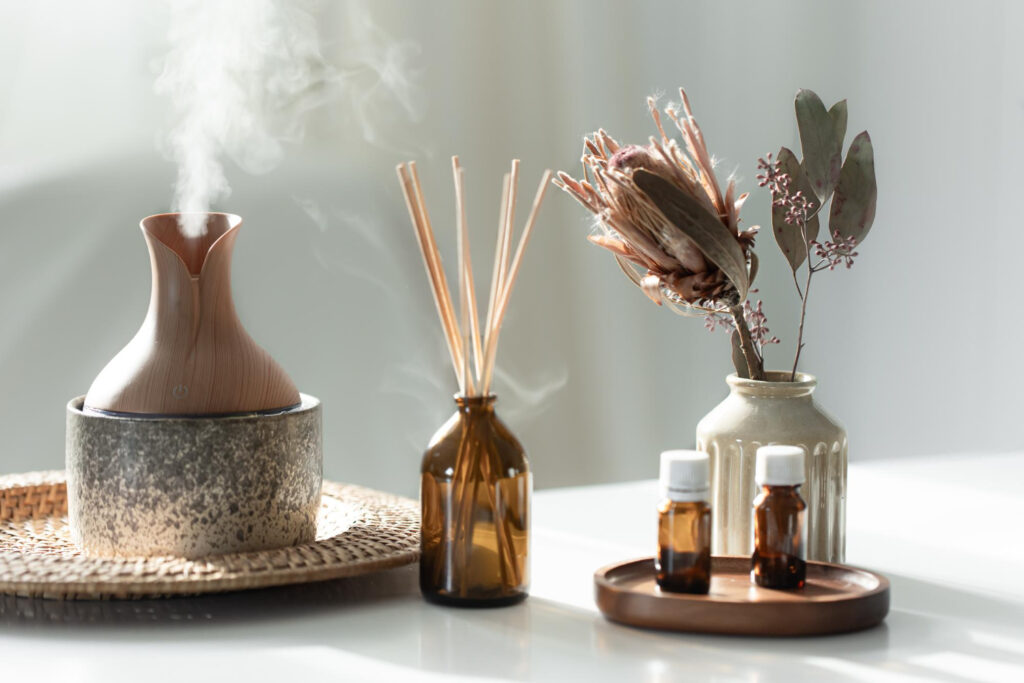
Changing fragrances throughout the year keeps your home feeling fresh and interesting.
Spring
Fresh flowers, jasmine, lilac, and citrus.
Summer
Lemon, mint, coconut, ocean breeze, and fresh herbs.
Autumn
Apple, cinnamon, pumpkin spice, cedar, and clove.
Winter
Pine, vanilla, orange, cranberry, and evergreen.
Seasonal scents help your entryway feel coordinated with the rest of your home decor.
Avoid Common Mistakes
Many people unknowingly make their entryway smell worse by trying to cover odors instead of removing them.
Avoid these mistakes:
- Spraying excessive air freshener
- Ignoring damp rugs
- Leaving dirty shoes near the entrance
- Forgetting to clean storage baskets
- Allowing trash to sit nearby
- Using multiple competing fragrances
A clean space with one subtle fragrance almost always smells better than several strong scents mixed together.
Budget-Friendly Ways to Keep Your Entryway Smelling Fresh
Creating an inviting entrance doesn’t have to be expensive.
Affordable ideas include:
- Baking soda odor absorbers
- Homemade citrus simmer pots
- Activated charcoal bags
- Dried lavender sachets
- Fresh herbs in small pots
- Homemade vinegar cleaning solution
- DIY essential oil spray
Many of these options last for weeks while costing very little.
How Often Should You Refresh Your Entryway?
Maintaining freshness is easier when done regularly.
A simple routine might include:
Daily
- Put shoes away
- Shake out the doormat if needed
- Open the door or windows for fresh air
Weekly
- Vacuum or sweep
- Mop the floor
- Dust furniture
- Refresh reed diffusers
Monthly
- Wash mats
- Deep clean shoe storage
- Replace odor absorbers
- Clean decorative baskets and containers
Small habits prevent odors from building up over time.
Frequently Asked Questions
How can I make my entryway smell inviting naturally?
Regular cleaning, fresh air, essential oils, reed diffusers, indoor plants, and natural odor absorbers like baking soda or activated charcoal are excellent natural solutions.
What is the best scent for an entryway?
Fresh citrus, lavender, eucalyptus, white tea, fresh linen, cedarwood, and bergamot are among the most welcoming fragrances.
Why does my entryway smell musty?
Musty smells usually come from excess moisture, damp doormats, wet shoes, poor ventilation, or hidden mold. Improving airflow and removing moisture often solves the problem.
How do I stop shoe odors from spreading?
Store shoes on ventilated racks, use odor-absorbing inserts, clean shoes regularly, and avoid leaving wet footwear near the entrance.
Are reed diffusers better than aerosol air fresheners?
For most homes, yes. Reed diffusers provide a continuous, subtle fragrance without chemicals being sprayed into the air repeatedly.
Conclusion
Learning how to make your entryway smell inviting is less about masking odors and more about creating a consistently clean, welcoming environment. Regular cleaning, proper ventilation, organized shoe storage, moisture control, and carefully chosen natural fragrances work together to make your entrance feel fresh every day.
The best part is that even a few simple changes can dramatically improve the first impression your home makes. Whether you choose fresh greenery, essential oils, reed diffusers, or seasonal scents, maintaining a pleasant-smelling entryway is an easy way to make every arrival feel warm, comfortable, and inviting.

Leave a Reply