

Pets bring endless love, companionship, and happiness into a home, but they also introduce fur, odors, muddy paws, and occasional accidents. Whether you share your space with a playful dog, a curious cat, or multiple pets, maintaining a fresh-smelling home can feel like a daily challenge. Fortunately, keeping your living space clean doesn’t require harsh chemicals or hours of cleaning every day. With the right habits and pet-friendly cleaning methods, you can enjoy both a healthy home and happy pets.
In this guide, you’ll discover practical ways to keep your home smelling fresh, reduce pet odors, manage shedding, and maintain a cleaner environment throughout the year.
Understand Where Pet Odors Come From
Before you can eliminate unwanted smells, it’s important to know what causes them. Pet odors don’t usually come directly from your dog or cat alone. Instead, they often build up in carpets, furniture, bedding, litter boxes, food bowls, and hidden corners where pet hair and moisture collect.
Regular grooming and cleaning these problem areas helps prevent odors before they become difficult to remove. Fresh air, proper ventilation, and consistent maintenance make a noticeable difference over time.
Create a Daily Cleaning Routine

One of the easiest ways to keep your home fresh when you have pets is by developing simple daily cleaning habits. Small tasks completed every day prevent dirt and odors from building up.
Vacuum high-traffic areas where your pet spends most of its time. Sweep hard floors to remove loose fur and dust. Wipe muddy paw prints immediately before they dry. Empty litter boxes daily and dispose of waste properly.
Cleaning food and water bowls every day also helps prevent bacteria and unpleasant smells. A consistent routine takes only a few minutes but keeps your home noticeably cleaner.
Groom Your Pets Regularly
A clean pet naturally leads to a cleaner home.
Brush Your Pet Frequently
Regular brushing removes loose fur before it spreads across furniture and floors. It also helps distribute natural oils through your pet’s coat, reducing dander and improving skin health.
Long-haired breeds generally require daily brushing, while short-haired pets often benefit from brushing several times each week.
Bathe When Necessary
Dogs benefit from occasional baths using veterinarian-approved shampoo. Avoid over-bathing because it can dry out the skin and increase odor problems later.
Cats usually groom themselves, but older or long-haired cats may occasionally need assistance.
Keep Paws Clean
After outdoor walks, wipe your pet’s paws with a damp towel or pet-safe wipes. This simple habit prevents dirt, pollen, mud, and bacteria from spreading throughout your home.
Wash Pet Bedding Often
Pet beds absorb body oils, saliva, dirt, and fur every day. Even if your home appears clean, pet bedding can become a major source of lingering odors.
Wash blankets, removable bed covers, and soft toys every one to two weeks using fragrance-free detergent. Allow everything to dry completely before use to prevent mildew.
If your pet spends time on sofas or beds, washable covers make cleaning much easier and protect your furniture from stains and hair.
Vacuum More Than You Think
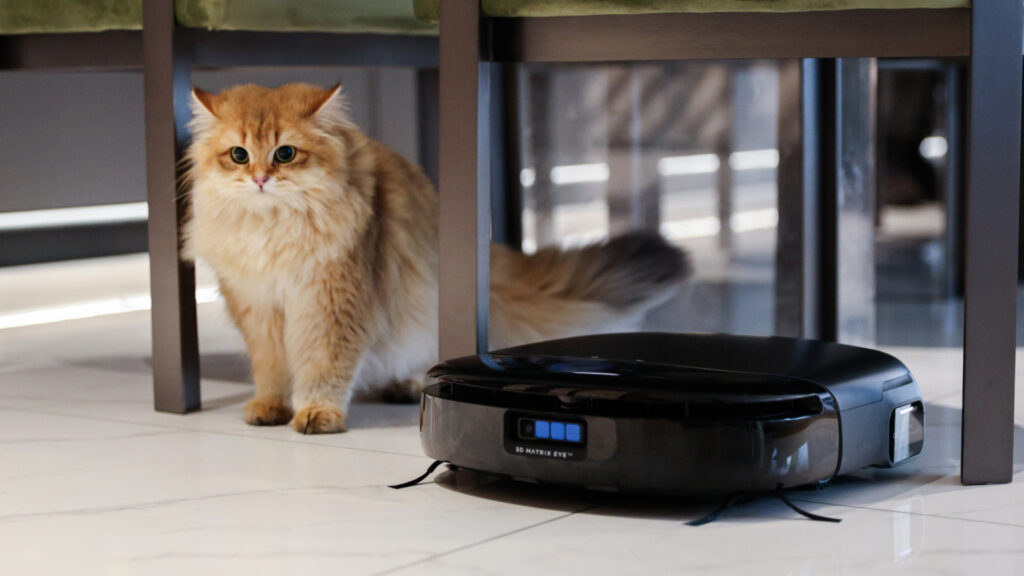
Pet hair settles into carpets, rugs, upholstery, curtains, and even corners that often go unnoticed.
Choose a vacuum designed for homes with pets. Models with HEPA filters help capture fine pet dander, improving indoor air quality.
Pay special attention to:
Carpets and Rugs
Vacuum at least two or three times each week, especially in rooms where pets spend most of their time.
Upholstered Furniture
Use specialized upholstery attachments to remove embedded fur from couches and chairs.
Under Furniture
Hair and dust collect beneath sofas, beds, and cabinets. Cleaning these hidden spaces reduces odors that otherwise linger.
Control Pet Odors Naturally
Strong air fresheners only mask odors temporarily. Instead, focus on removing the source.
Open windows whenever weather allows to improve ventilation. Fresh air naturally reduces indoor odors and humidity.
Baking soda is an excellent odor absorber. Sprinkle a light layer on carpets before vacuuming or place open containers in odor-prone areas away from curious pets.
Activated charcoal odor absorbers can also help eliminate smells without adding artificial fragrances.
Avoid using essential oils unless confirmed safe for your specific pets, as some oils can be harmful to cats and dogs.
Keep Litter Boxes Extra Clean
Cat owners know that litter boxes greatly influence how fresh a home smells.
Scoop waste daily and completely replace litter according to the manufacturer’s recommendations.
Wash the litter box with mild soap and warm water every few weeks to prevent odor buildup.
Place the litter box in a well-ventilated location away from food preparation areas while still providing privacy for your cat.
Using high-quality clumping litter often improves odor control significantly.
Don’t Forget Air Filters
Your home’s HVAC system constantly circulates air, including pet hair and dander.
Replace air filters regularly according to manufacturer recommendations. Homes with multiple pets often benefit from changing filters more frequently.
Air purifiers equipped with HEPA filters help remove airborne fur, dust, allergens, and pet dander, creating a fresher indoor environment.
Clean Accidents Immediately
Even well-trained pets occasionally have accidents.
The faster you clean urine or vomit, the less likely permanent odors and stains become.
Use enzyme-based cleaners specifically designed for pet messes. These products break down odor-causing proteins instead of simply covering the smell.
Avoid ammonia-based cleaners because they may encourage pets to mark the same area again.
Reduce Pet Hair Around the House
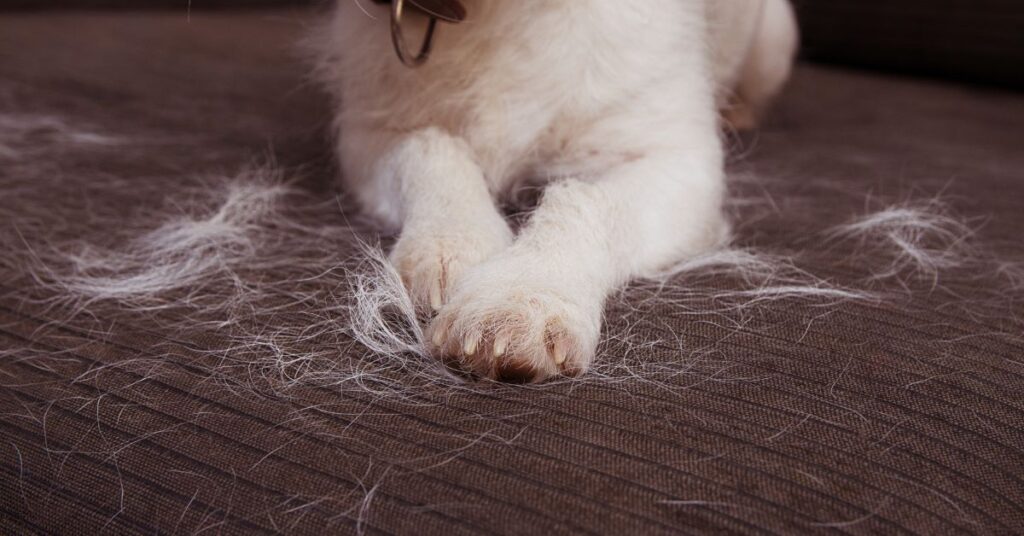
Pet hair seems to appear everywhere, but several simple strategies help control it.
Use washable throws on favorite furniture.
Choose microfiber cloths to collect loose fur during dusting.
Lint rollers work well for clothing and cushions.
Rubber gloves lightly dampened with water can easily gather pet hair from upholstery.
Keeping pets well-groomed dramatically reduces shedding indoors.
Keep Floors Fresh
Hard floors can trap dirt and bacteria even when they appear clean.
Mop weekly using pet-safe floor cleaners. Avoid products containing harsh chemicals that may irritate sensitive paws.
Pay extra attention to entryways where pets bring in outdoor dirt after walks.
Area rugs should be shaken outside regularly and cleaned according to their care instructions.
Eliminate Food-Related Odors
Pet food can contribute to household smells more than many owners realize.
Store dry food in airtight containers to maintain freshness.
Discard leftover wet food promptly instead of allowing it to sit for hours.
Wash feeding mats regularly since spilled food attracts bacteria and creates unpleasant odors.
Clean water bowls daily to prevent slime buildup.
Maintain a Fresh-Smelling Living Room
The living room is often where pets spend the most time.
Rotate and wash decorative pillows if pets rest on furniture.
Dust shelves, electronics, and baseboards frequently because pet hair sticks to surfaces.
Open curtains during the day to let in sunlight, which naturally helps reduce moisture and improve freshness.
Choose Pet-Friendly Cleaning Products
Many common household cleaners contain ingredients that may not be safe for animals.
Look for products labeled pet-safe and always follow usage instructions carefully.
When trying any new cleaning product, keep pets away until surfaces are completely dry.
Natural cleaning ingredients like vinegar and baking soda can be useful for many household cleaning tasks, but always verify they are appropriate for the surface you’re cleaning.
Prevent Odors Before They Start
Prevention is much easier than removing stubborn smells later.
Maintain regular veterinary checkups because persistent pet odors sometimes indicate skin infections, dental disease, or other health concerns.
Keep pet nails trimmed to reduce damage to floors and furniture.
Clean collars, harnesses, and leashes regularly since they absorb oils and outdoor dirt.
Encourage family members to follow the same cleaning routine so maintenance stays consistent.
Common Mistakes to Avoid
Many pet owners accidentally make odor problems worse.
Ignoring small accidents allows smells to penetrate deeper into flooring.
Using heavily scented sprays only hides odors temporarily.
Skipping regular grooming increases shedding and dander.
Forgetting to wash pet bedding allows bacteria and oils to accumulate.
Neglecting air filters reduces indoor air quality and spreads pet allergens throughout the home.
Frequently Asked Questions
How often should I vacuum if I have pets?
Most homes with pets benefit from vacuuming at least two or three times each week. Homes with heavy shedders may require daily vacuuming in high-traffic areas.
What is the best way to remove pet odors naturally?
Good ventilation, regular cleaning, baking soda, activated charcoal, and consistent grooming are among the most effective natural odor-control methods.
How often should pet beds be washed?
Wash pet bedding every one to two weeks, or more often if it becomes dirty or develops noticeable odors.
Are air purifiers worth buying for pet owners?
Yes. Air purifiers with HEPA filters help reduce pet dander, airborne hair, dust, and odors, making the home feel fresher.
Why does my house still smell even after cleaning?
Odors often remain trapped in carpets, upholstery, air filters, pet bedding, or hidden areas. Cleaning these overlooked spots usually solves the problem.
Conclusion
Learning how to keep your home fresh when you have pets doesn’t require expensive equipment or complicated routines. The secret is consistency. Regular grooming, daily cleaning habits, proper ventilation, and prompt attention to accidents work together to create a home that feels clean and welcoming.
By focusing on prevention instead of reacting to odors after they develop, you’ll spend less time cleaning and more time enjoying life with your furry companions. A fresh home benefits everyone, including your pets, making your living space healthier, more comfortable, and enjoyable every day.

Leave a Reply