
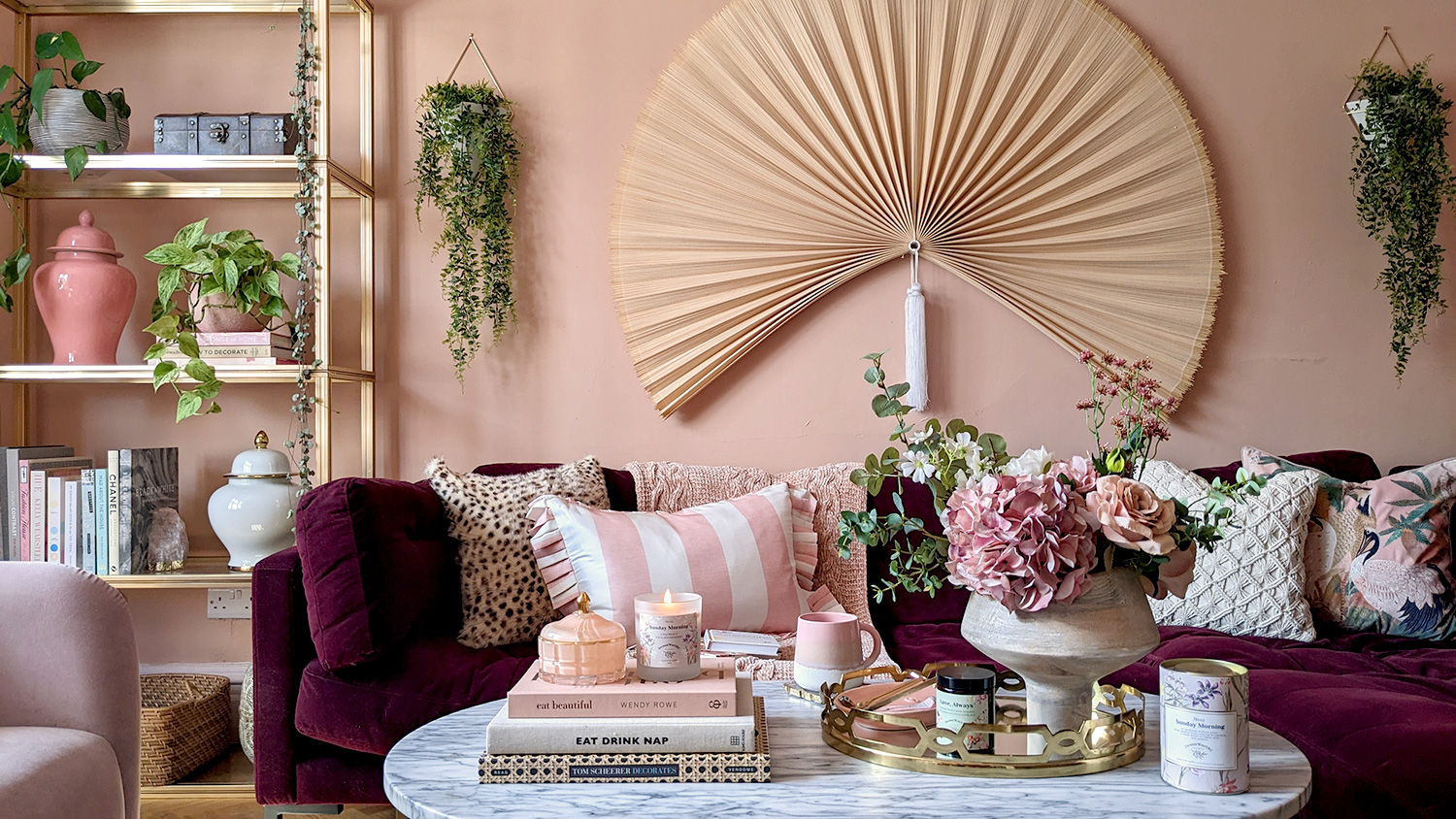
Introduction
A peaceful home doesn’t have to come with a luxury price tag. Many people believe creating a calm and stylish space requires expensive furniture, designer décor, and complete room makeovers. In reality, small and thoughtful changes often have a bigger impact than costly renovations.
If you’ve been wondering how to design a relaxing home without spending much, the good news is that comfort is created through smart choices rather than a large budget. Natural light, clutter-free rooms, soft colors, comfortable furniture arrangements, and a few personal touches can completely transform the atmosphere of your home.
Whether you live in a small apartment, a rented house, or a family home, you can create a welcoming environment without overspending. This guide shares practical, affordable ideas that improve both the appearance and feel of your living space while helping you save money.
Why a Relaxing Home Matters
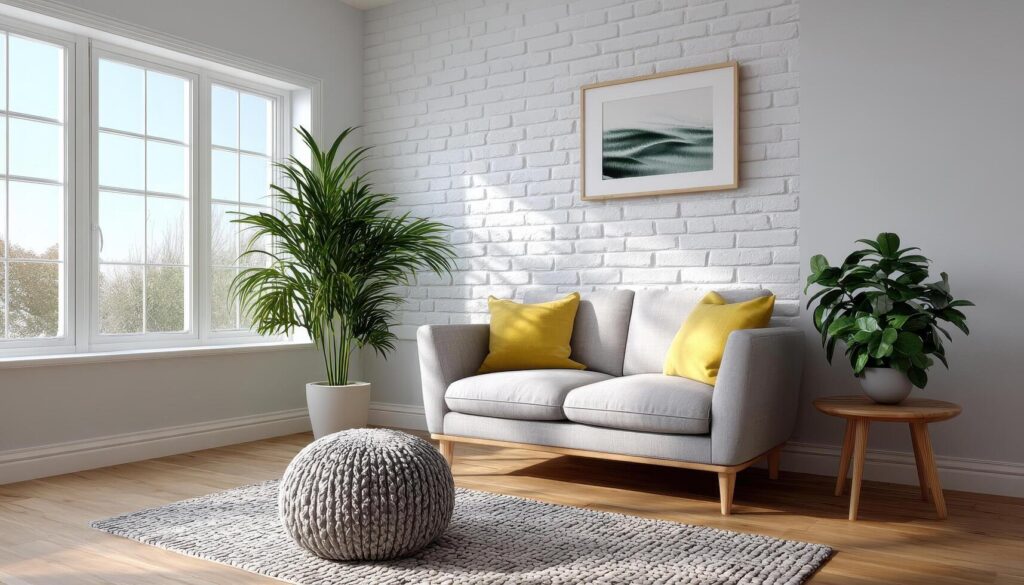
Your home is where you recharge after busy days. A peaceful environment can help reduce daily stress, improve sleep quality, increase productivity, and make spending time with family more enjoyable.
A relaxing home doesn’t depend on expensive decorations. Instead, it combines comfort, organization, lighting, colors, and personal style in a balanced way. Even simple improvements like rearranging furniture or adding indoor plants can make your rooms feel more open and calming.
The goal is to create spaces where you naturally feel comfortable, focused, and happy.
Start by Decluttering Every Room
The fastest and cheapest way to improve any room is by removing unnecessary clutter.
Crowded spaces often feel stressful because your eyes constantly process too many objects. A cleaner room instantly feels brighter, larger, and more relaxing.
Start with one room at a time instead of trying to organize your entire home in a single day.
Easy Decluttering Tips
- Remove items you no longer use.
- Donate clothes and household items in good condition.
- Store seasonal decorations out of sight.
- Keep countertops as clear as possible.
- Use baskets or storage boxes for everyday essentials.
Even spending 20 minutes each day organizing one area can dramatically improve your home’s atmosphere.
Choose Calm and Neutral Colors
Wall colors have a significant impact on mood.
Soft shades naturally create a peaceful environment and make rooms appear larger.
Some affordable calming color choices include:
- White
- Warm beige
- Light gray
- Soft sage green
- Pale blue
- Cream
If repainting isn’t possible, introduce these colors through cushion covers, curtains, bed sheets, rugs, or artwork.
Neutral colors also make it easier to mix old furniture with new decorative pieces without spending extra money.
Make the Most of Natural Light
Sunlight is one of the most effective ways to make a home feel warm and inviting.
Instead of blocking windows with heavy curtains, choose light-colored fabrics that allow daylight to enter.
You can also:
- Clean windows regularly.
- Place mirrors opposite windows to reflect light.
- Keep window areas free from large furniture.
- Use sheer curtains during the day.
Natural light not only improves the appearance of your rooms but can also boost your mood and reduce the need for artificial lighting.
Rearrange Furniture Before Buying Anything New
Many homeowners purchase new furniture when the existing layout is actually the problem.
Experiment with different arrangements to improve movement throughout each room.
For example:
- Pull sofas slightly away from walls.
- Create conversation areas.
- Remove unnecessary side tables.
- Keep walking paths open.
- Position seating near windows whenever possible.
Sometimes a fresh layout makes your entire home feel brand new without costing anything.
Add Nature to Your Home
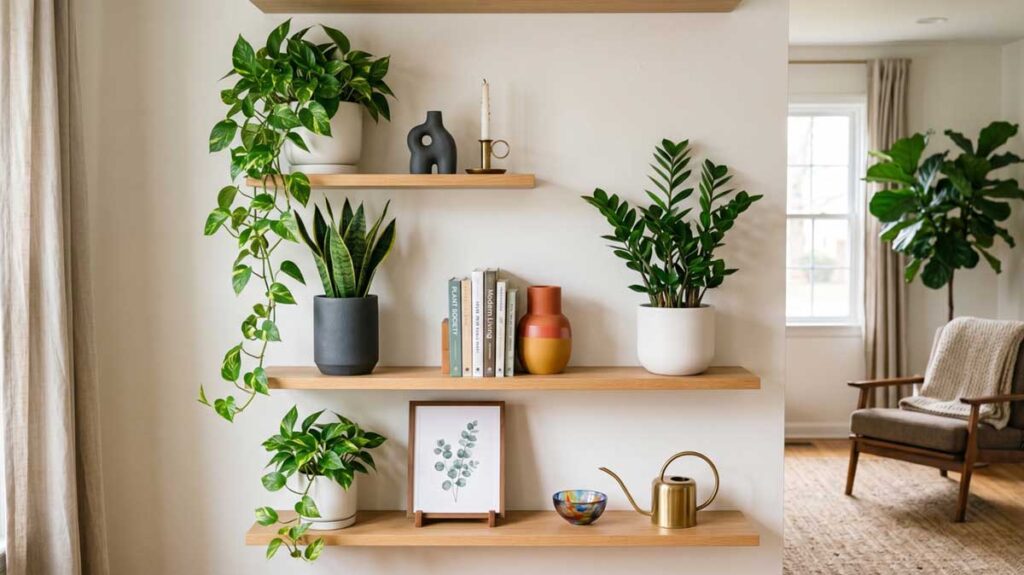
Indoor plants are one of the most affordable ways to create a relaxing atmosphere.
Plants add texture, improve visual appeal, and introduce natural colors into your living spaces.
Budget-friendly indoor plants include:
Snake Plant
Very easy to maintain and suitable for beginners.
Pothos
Grows quickly and looks beautiful on shelves or hanging baskets.
Peace Lily
Adds elegance while thriving indoors.
Spider Plant
Affordable, fast-growing, and perfect for bright rooms.
If maintaining live plants isn’t practical, high-quality artificial plants can still soften your interior.
Create Soft Lighting for Evenings
Lighting changes the mood of a room more than many people realize.
Instead of relying only on bright ceiling lights, combine multiple light sources.
Affordable lighting ideas include:
- Warm LED bulbs
- Table lamps
- Floor lamps
- String lights
- Battery-operated candles
Warm lighting creates a cozy environment that’s perfect for relaxing after work.
Bring Comfort Through Textiles
Soft textures instantly make rooms feel warmer and more welcoming.
You don’t need designer products.
Simple additions include:
- Cotton throws
- Comfortable cushions
- Soft rugs
- Linen curtains
- Cozy bedding
Mixing different textures creates depth without requiring expensive furniture.
Shopping during seasonal sales can help you refresh an entire room on a small budget.
Decorate with Personal Touches
The most inviting homes reflect the personalities of the people who live there.
Instead of filling shelves with expensive decorations, display meaningful items such as:
- Family photographs
- Handmade crafts
- Travel souvenirs
- Favorite books
- Vintage finds
- Framed artwork
These details make your home feel authentic while keeping decorating costs low.
Use Pleasant Scents
A home’s atmosphere isn’t only visual.
Fresh scents contribute to a calming experience.
Affordable options include:
- Soy candles
- Essential oil diffusers
- Fresh flowers
- Homemade citrus potpourri
- Lavender sachets
Keeping rooms well ventilated also helps maintain a fresh indoor environment.
Refresh Your Bedroom on a Budget
Your bedroom should be the most peaceful room in your home.
Simple upgrades include:
- Wash bedding regularly.
- Choose matching pillow covers.
- Hide charging cables.
- Remove unnecessary furniture.
- Use bedside lamps with warm lighting.
- Keep surfaces uncluttered.
A clean, organized bedroom encourages better sleep and relaxation.
Upgrade Your Bathroom with Small Changes
Luxury bathrooms often rely on simplicity rather than expensive materials.
Budget-friendly improvements include:
- White towels
- Matching soap dispensers
- Small indoor plants
- Wooden trays
- Fresh hand towels
- Glass storage jars
Even replacing old shower curtains can make the entire bathroom feel refreshed.
Affordable DIY Decorating Ideas
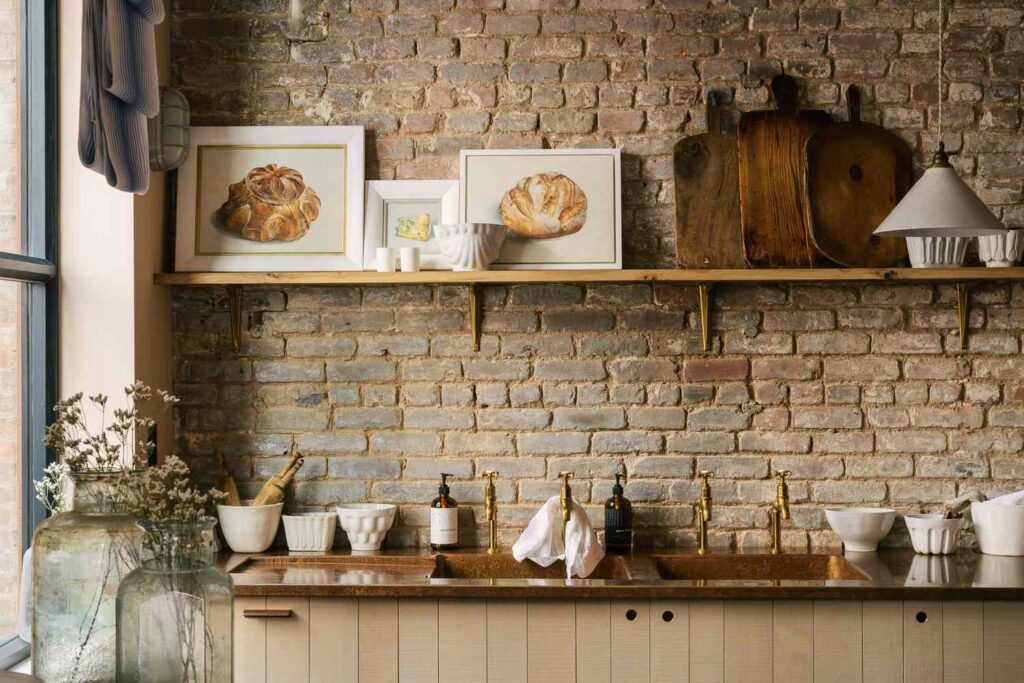
You don’t need professional designers to create a stylish home.
Try these inexpensive DIY projects:
Paint Old Furniture
A fresh coat of paint can completely transform old tables, shelves, or chairs.
Create Gallery Walls
Print family photos or free artwork and display them in affordable frames.
Build Floating Shelves
Floating shelves provide storage while displaying decorative pieces.
Make Decorative Cushion Covers
Changing fabric patterns instantly updates your living room.
Reuse Glass Jars
Old jars become attractive storage containers or candle holders.
Small DIY projects gradually improve your home’s appearance while staying within budget.
Budget Planning for a Relaxing Home
Creating a peaceful home doesn’t require spending thousands at once.
Here’s a simple budget guide:
- Decluttering: Free
- Indoor plants: $5–20 each
- Cushion covers: $10–30
- Warm LED lighting: $15–40
- Small rugs: $25–80
- Curtains: $30–80
- DIY wall décor: $10–50
Instead of redecorating everything at once, improve one room each month. This approach is easier financially and allows you to choose items more thoughtfully.
Common Mistakes to Avoid
Many people accidentally make their homes feel busier while trying to decorate.
Avoid these common mistakes:
- Buying decorations before organizing.
- Choosing too many bold colors.
- Filling every shelf.
- Blocking natural light.
- Ignoring comfort for appearance.
- Purchasing furniture that’s too large for the room.
A relaxing home is balanced, functional, and comfortable rather than overcrowded.
Frequently Asked Questions
Can I design a relaxing home with a very small budget?
Yes. Decluttering, rearranging furniture, improving lighting, and adding a few affordable decorative items can completely change your home’s atmosphere.
Which colors make a home feel more relaxing?
Neutral shades like white, beige, soft gray, sage green, and light blue create calm and welcoming spaces.
Are indoor plants necessary?
No, but they help introduce natural beauty. Artificial plants can also provide a similar visual effect with little maintenance.
What is the cheapest room to update first?
The living room is usually the easiest place to start because small changes like cushions, lighting, and organization have a noticeable impact.
How long does it take to create a relaxing home?
You can notice improvements in a single weekend by decluttering and rearranging furniture. Larger updates can be completed gradually over several months while staying within your budget.
Conclusion
Learning how to design a relaxing home without spending much is about making thoughtful choices rather than expensive purchases. A clean layout, calming colors, natural light, cozy textiles, indoor greenery, and meaningful décor work together to create a peaceful environment that supports everyday living.
Start with one room, focus on practical improvements, and make gradual changes that fit your budget. Over time, these affordable upgrades will transform your home into a comfortable retreat where you can truly relax without putting unnecessary pressure on your finances.

Leave a Reply