
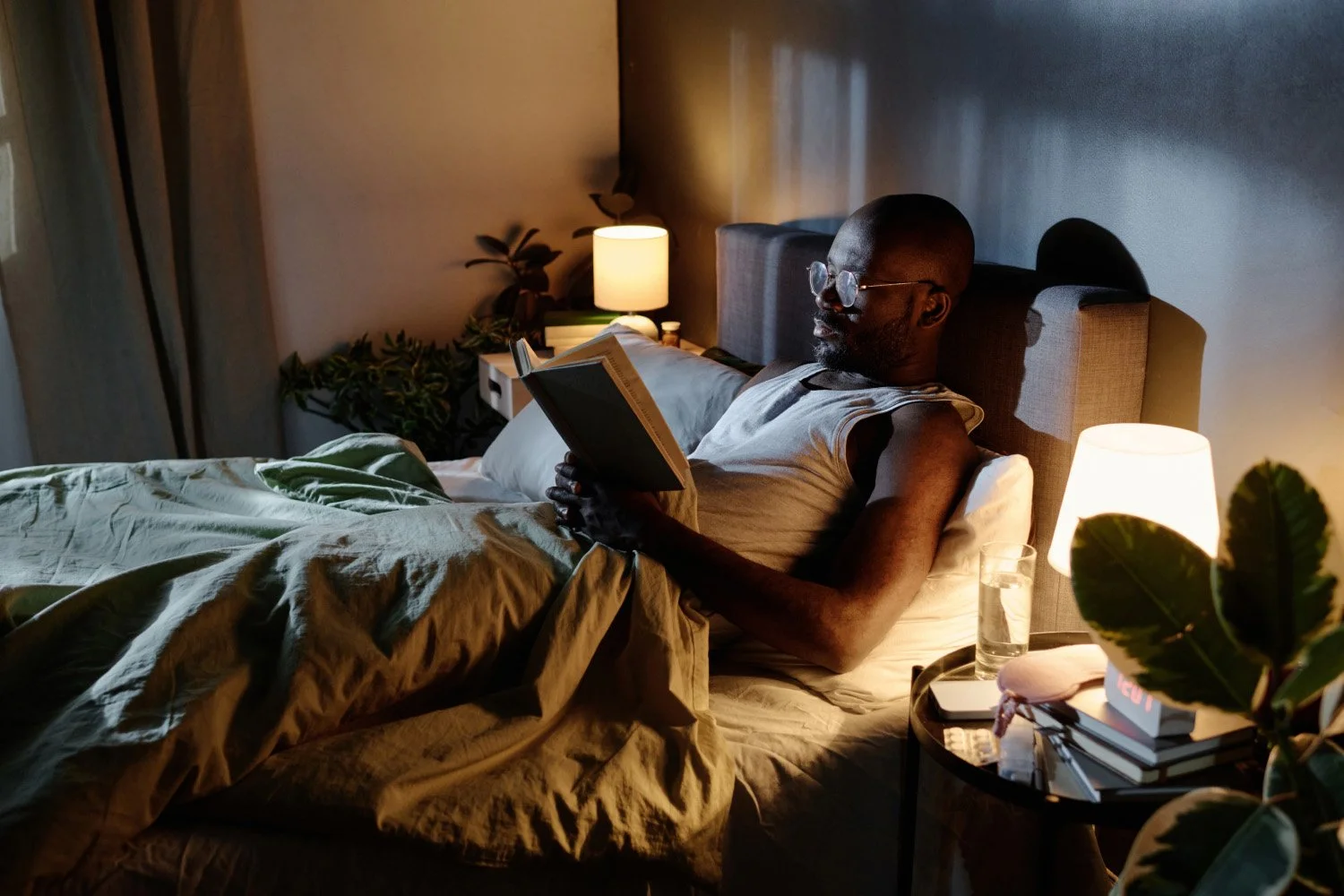
After a busy day filled with work, errands, and endless notifications, your home should become the place where your mind finally slows down. A peaceful home isn’t created by expensive furniture or perfect décor. Instead, it’s shaped by the small routines you practice every evening. The way you end your day influences your mood, your sleep quality, and even how you begin the next morning.
Many people spend time decorating their homes but forget that daily habits create the true feeling of comfort. Soft lighting, a tidy living room, a few minutes of quiet reflection, or simply putting your phone away before bed can completely change how your home feels.
In this guide, you’ll discover practical evening habits that make your home feel peaceful without requiring a large budget or major lifestyle changes. These simple ideas are easy to follow and can transform your space into a calm retreat that supports relaxation, better sleep, and emotional well-being.
Why Evening Habits Matter More Than You Think
Your brain naturally begins preparing for rest during the evening. However, bright screens, cluttered rooms, unfinished chores, and constant stimulation can make your home feel stressful instead of comforting.
Creating intentional evening routines helps your mind recognize that it’s time to slow down. Over time, these habits reduce mental fatigue, improve sleep quality, lower stress levels, and create a home environment where everyone feels more relaxed.
Instead of trying to achieve a picture-perfect house, focus on creating peaceful moments every evening.
Start with a Quick Five-Minute Reset

One of the simplest evening habits that make your home feel peaceful is spending just five minutes putting things back where they belong.
This doesn’t mean deep cleaning your entire house. Simply fold blankets, clear the coffee table, wash a few dishes, fluff the pillows, and return misplaced items to their proper places.
Walking into a clean room immediately signals calm to your brain. Even a small amount of organization can make your home feel lighter and less overwhelming.
Focus on High-Impact Areas
Prioritize spaces you use before bed, including:
- Living room
- Kitchen counters
- Bedroom
- Entryway
These areas create the biggest visual impact and require only a few minutes to refresh.
Switch to Soft, Warm Lighting
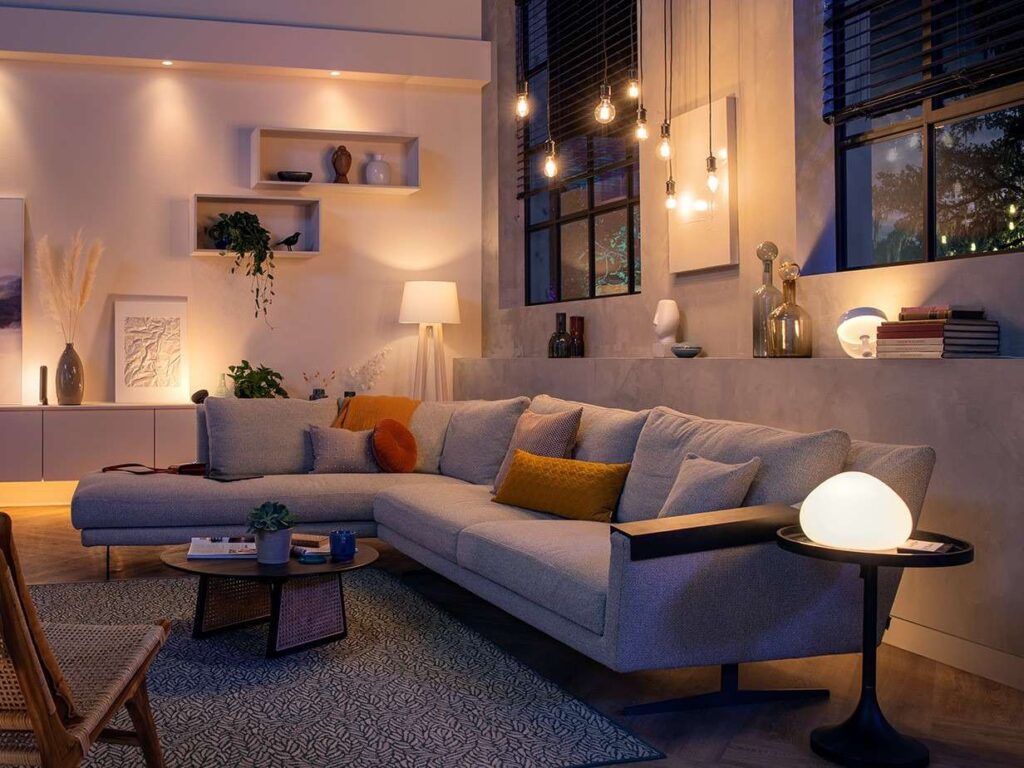
Lighting has a powerful effect on mood.
Bright white lights keep your brain alert, while warm lighting encourages relaxation. As evening approaches, turn off harsh ceiling lights and use table lamps, floor lamps, candles, or warm LED bulbs instead.
This simple change instantly creates a peaceful atmosphere and prepares your body for restful sleep.
Layer Different Light Sources
Instead of relying on one bright light, combine:
- Table lamps
- Wall sconces
- Salt lamps
- Battery-operated candles
- String lights
Multiple soft light sources make your home feel warm and inviting.
Reduce Visual Clutter Before Bed
Visual clutter quietly increases stress.
Stacks of mail, scattered toys, clothes on chairs, and crowded countertops constantly remind your brain of unfinished tasks.
Spend a few minutes each evening removing unnecessary items from visible surfaces.
You don’t need perfection. Just creating a little breathing room helps your home feel significantly calmer.
Create a Relaxing Home Fragrance
Our sense of smell strongly influences emotions.
Choose one calming scent that becomes part of your nightly routine.
Popular choices include:
- Lavender
- Vanilla
- Sandalwood
- Cedarwood
- Chamomile
- Jasmine
Use essential oil diffusers, natural candles, or linen sprays to gently fill your home with relaxing scents.
Avoid overpowering fragrances that may become distracting.
Put Away Digital Distractions
One of the biggest reasons homes feel mentally exhausting isn’t the space itself—it’s constant digital noise.
Try creating a technology cutoff at least one hour before bedtime.
Turn off unnecessary notifications.
Place your phone away from your bed.
Avoid scrolling through social media while relaxing in the living room.
The quieter your digital environment becomes, the more peaceful your physical environment feels.
Play Gentle Background Sounds

Silence isn’t always relaxing.
Soft instrumental music, nature sounds, rainfall, ocean waves, or gentle jazz can create a comforting atmosphere during the evening.
Background sounds also reduce outside noise and help family members naturally lower their voices.
Keep the volume low enough that it blends into the room instead of demanding attention.
Spend Ten Minutes Reading Instead of Scrolling
Replacing screen time with reading is one of the healthiest evening habits that make your home feel peaceful.
Reading slows your thoughts, improves concentration, and allows your mind to disconnect from work stress.
Choose books that inspire or relax you rather than emotionally intense content before bed.
Even ten pages each night can become a comforting ritual.
Prepare for Tomorrow
Many people carry tomorrow’s worries into bed.
Instead of mentally reviewing everything you need to do, spend five minutes preparing tonight.
You can:
- Pack your work bag
- Choose tomorrow’s outfit
- Prepare lunch ingredients
- Write tomorrow’s priority list
- Organize important documents
These small preparations reduce morning stress and help your mind fully relax.
Open a Window for Fresh Air
Fresh air can completely change the feeling inside your home.
If weather allows, open a window for ten to fifteen minutes during the evening.
Fresh airflow removes stale indoor air and creates a cleaner, lighter atmosphere.
Many people notice they sleep better when their bedroom has fresh air before bedtime.
Keep the Bedroom Free from Stress
Your bedroom should communicate one message: rest.
Avoid bringing work files, laptops, or piles of laundry into the room whenever possible.
Choose calming colors, comfortable bedding, and minimal decorations.
The fewer reminders of daily responsibilities you see, the easier it becomes to relax.
Enjoy a Warm Drink Mindfully
A warm evening drink naturally encourages slower breathing and relaxation.
Good options include:
- Chamomile tea
- Peppermint tea
- Warm milk
- Lemon balm tea
- Caffeine-free herbal blends
Avoid excessive caffeine late in the evening, as it may interfere with sleep quality.
Instead of drinking while watching television, sit quietly and enjoy the moment without rushing.
Practice Gratitude Before Sleeping
A peaceful home begins with a peaceful mindset.
Before bed, think about three things that went well today.
They don’t need to be major accomplishments.
Perhaps someone smiled at you.
Maybe you enjoyed dinner with family.
Or perhaps you simply appreciated a quiet sunset.
This habit gradually shifts your attention away from daily stress and toward contentment.
Add Living Plants to Evening Spaces
Houseplants naturally soften a room.
Seeing greenery helps many people feel more connected to nature, especially after spending the day indoors.
Easy indoor plants include:
- Snake plant
- Peace lily
- Pothos
- ZZ plant
- Spider plant
Even one healthy plant beside a reading chair can make the room feel calmer.
Keep Evening Conversations Gentle
The atmosphere of your home depends not only on furniture but also on how people communicate.
Avoid discussing stressful finances, work conflicts, or major decisions immediately before bed whenever possible.
Instead, spend a few minutes asking family members about the best part of their day or sharing something positive.
These small conversations strengthen emotional comfort within the home.
Create a Consistent Evening Routine
Consistency matters more than complexity.
You don’t need fifteen different habits.
Choose four or five simple routines and repeat them every evening.
For example:
- Five-minute tidy-up
- Warm lighting
- Herbal tea
- Reading
- Gratitude practice
Over time, these repeated actions become signals that help your body and mind relax naturally.
Common Mistakes That Prevent a Peaceful Home
Many people unintentionally create evening stress through everyday habits.
Some common mistakes include:
- Leaving household chores until bedtime
- Watching stressful news before sleeping
- Keeping bright lights on all evening
- Using phones continuously in bed
- Ignoring clutter for several days
- Working late from the bedroom
- Going to sleep at different times every night
Avoiding these habits often makes a noticeable difference within just a few days.
Frequently Asked Questions
What is the easiest evening habit for a peaceful home?
A five-minute tidy-up combined with warm lighting is one of the easiest ways to create a calmer atmosphere without much effort.
How long does it take to build a peaceful evening routine?
Most people begin feeling the benefits within two to three weeks of consistently following a simple evening routine.
Does lighting really affect how a home feels?
Yes. Warm lighting creates a cozy atmosphere, while bright white lighting keeps the brain more alert and can make spaces feel less relaxing.
Can evening routines improve sleep?
Yes. Consistent evening habits help your body recognize bedtime, making it easier to fall asleep and enjoy better-quality rest.
Do I need expensive décor to make my home peaceful?
No. Peaceful homes are created through intentional habits, thoughtful organization, comfortable lighting, and relaxing routines rather than expensive decorations.
Conclusion
Creating a peaceful home doesn’t require a complete renovation or a large budget. The most meaningful changes often come from small, intentional evening habits repeated consistently over time. Tidying for a few minutes, switching to warm lighting, reducing digital distractions, enjoying a quiet cup of herbal tea, and ending the day with gratitude can completely transform the atmosphere of your home.
Remember that your home is more than just a place to sleep—it’s where you recharge, reconnect, and prepare for the next day. By adopting these simple evening habits that make your home feel peaceful, you’ll create a space that supports your well-being, encourages relaxation, and helps every evening end on a calm, comforting note.

Leave a Reply