
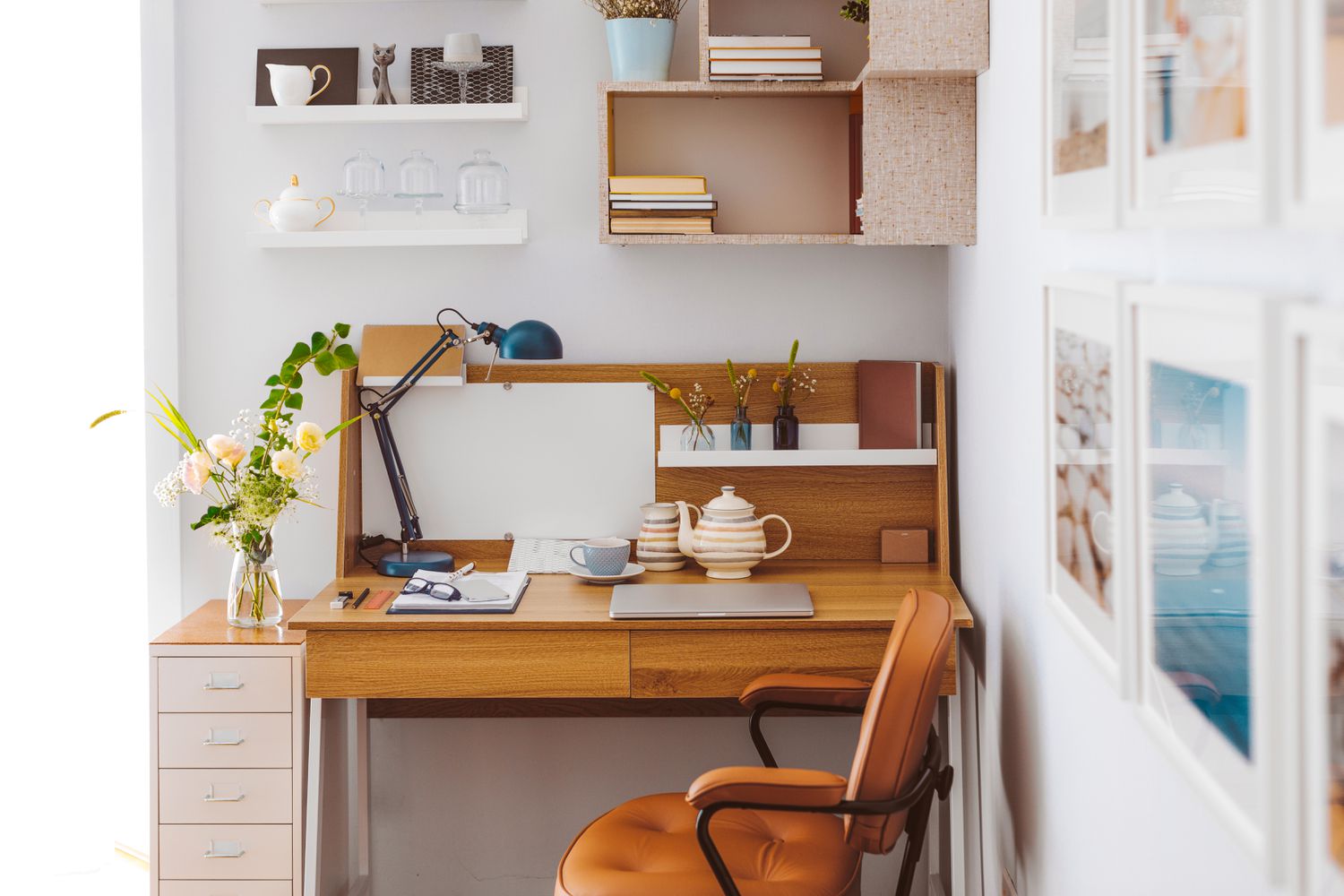
A busy schedule often leaves little time to clean and organize the house. Between work, family responsibilities, and personal commitments, clutter can quickly build up. The good news is that keeping your home organized doesn’t require hours of cleaning every weekend. Small, consistent habits can make a significant difference.
Whether you live in a small apartment or a large family home, these easy home organization tips for busy people will help you create a tidy, functional, and stress-free living space without spending too much time. These practical ideas are simple enough to fit into even the busiest routine.
Why Home Organization Matters
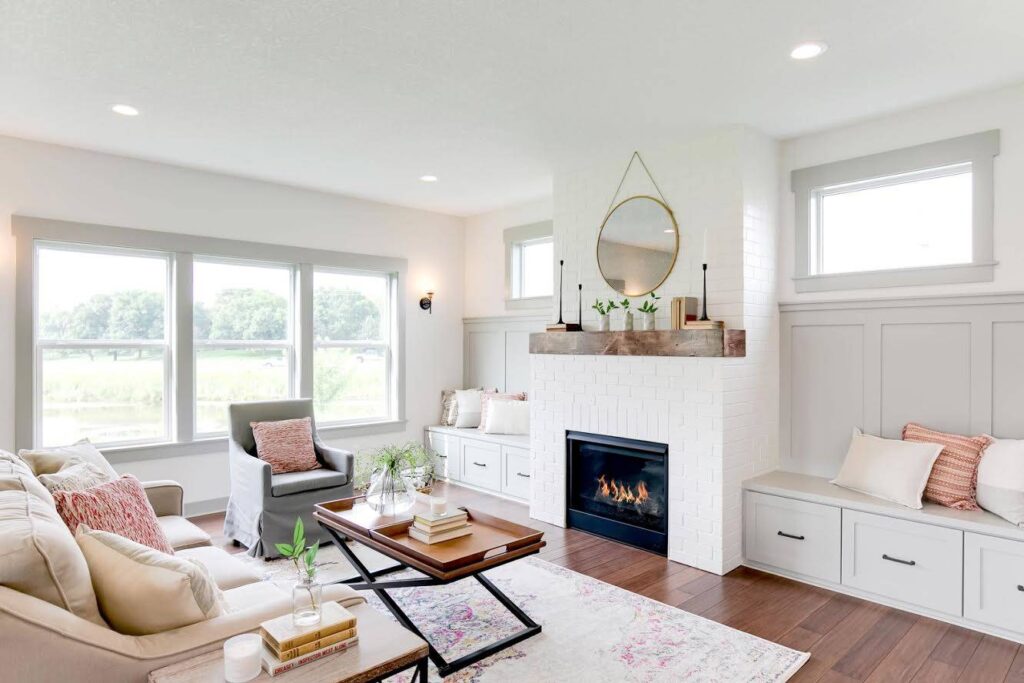
An organized home is more than just visually appealing. It saves time, reduces stress, improves productivity, and makes everyday life much easier. When everything has its place, you spend less time searching for lost items and more time enjoying your home.
Research has also shown that cluttered spaces can increase stress levels and reduce focus. A well-organized home creates a calming environment that supports better mental well-being.
Start Small Instead of Organizing Everything at Once
One of the biggest mistakes people make is trying to organize the entire house in a single day. This often becomes overwhelming and leads to unfinished projects.
Instead, choose one small area each day. You can organize a kitchen drawer, a bathroom cabinet, or a single shelf in just 10 to 15 minutes. These small wins quickly add up and make organization feel much more manageable.
Focus on One Room at a Time
Rather than moving from room to room, complete one space before starting another. This approach helps maintain motivation and produces visible results faster.
Follow the One-Minute Rule
If a task takes less than one minute, do it immediately.
Examples include:
- Hanging your jacket
- Putting shoes on the rack
- Washing a coffee mug
- Throwing away junk mail
- Returning remote controls to their place
These tiny actions prevent clutter from piling up throughout the day.
Create a Daily 10-Minute Reset
Instead of waiting until your home becomes messy, spend just ten minutes every evening putting things back where they belong.
Ask every family member to participate. Set a timer and focus on:
- Folding blankets
- Clearing kitchen counters
- Organizing toys
- Washing dishes
- Emptying small trash bins
This simple routine keeps your home under control with very little effort.
Declutter Before You Organize
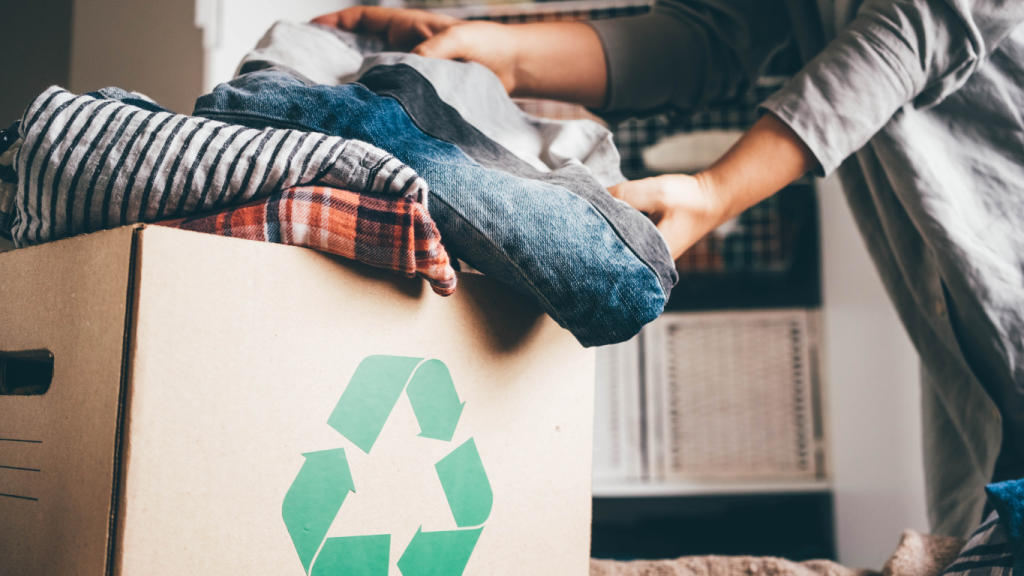
Many people buy storage containers before removing unnecessary items. This usually creates more storage instead of less clutter.
Before organizing any space, ask yourself:
- Have I used this in the last year?
- Does it still serve a purpose?
- Would I buy it again today?
Donate, recycle, or discard items you no longer need.
The Three-Box Method
Use three boxes labeled:
- Keep
- Donate
- Trash
This simple method makes decision-making much easier during decluttering sessions.
Give Every Item a Home
One of the easiest home organization tips for busy people is assigning every item a permanent place.
When every object has a designated storage location, cleaning becomes much faster because you never wonder where something belongs.
Store similar items together, such as:
- Office supplies
- Phone chargers
- Cleaning products
- Kitchen utensils
- Pet supplies
Consistency helps maintain organization over time.
Maximize Vertical Storage
Busy households often run out of storage because they only use floor space.
Install:
- Floating shelves
- Wall hooks
- Pegboards
- Over-the-door organizers
- Hanging baskets
Vertical storage keeps everyday items accessible while freeing up valuable surfaces.
Use Clear Storage Containers
Transparent bins allow you to see what’s inside without opening multiple boxes.
They’re especially useful for:
- Pantry items
- Seasonal decorations
- Children’s toys
- Bathroom supplies
- Garage storage
Adding labels makes finding items even faster.
Organize Your Entryway
The entrance is one of the first places that becomes messy.
Create a simple drop zone with:
- Shoe rack
- Key holder
- Mail organizer
- Coat hooks
- Small storage basket
Having everything near the entrance reduces daily clutter throughout the house.
Keep Kitchen Counters Clear
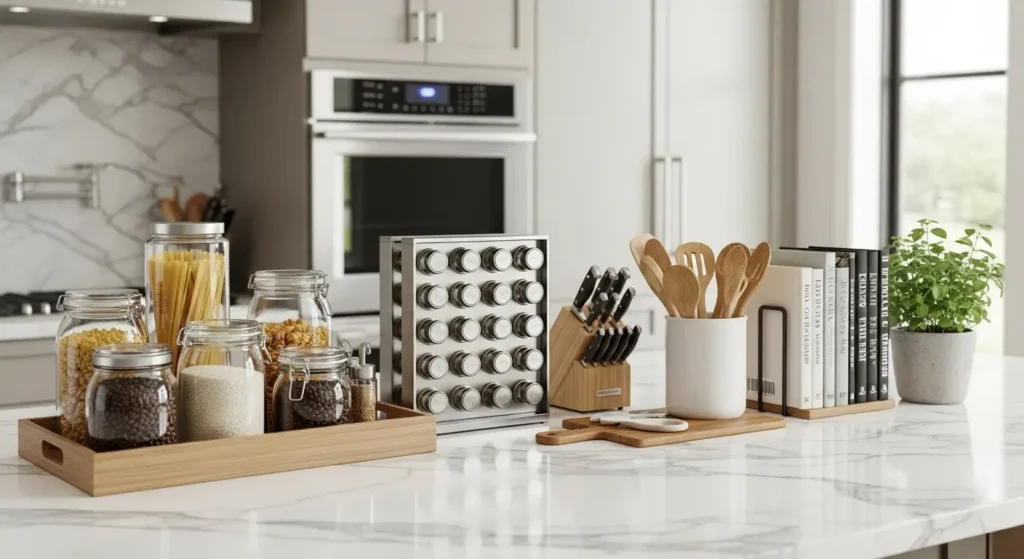
The kitchen is often the busiest room in any home.
Limit countertop items to daily essentials such as:
- Coffee maker
- Fruit bowl
- Cooking utensils
Store less frequently used appliances inside cabinets to create a cleaner, more spacious kitchen.
Organize Pantry by Category
Group similar foods together:
- Snacks
- Baking ingredients
- Pasta and rice
- Breakfast foods
- Canned goods
This system saves time during meal preparation and grocery shopping.
Make Your Closet Easier to Maintain
Instead of stuffing everything into your wardrobe, simplify your clothing collection.
Arrange clothes by:
- Category
- Color
- Season
- Frequency of use
Matching hangers also create a cleaner appearance while maximizing available space.
Adopt the One In, One Out Rule
Every time you buy something new, remove one similar item.
Examples include:
- New shirt
- Old shirt donated
- New kitchen gadget
- Old unused gadget discarded
- New decorative item
- Old decoration removed
This habit prevents clutter from slowly returning.
Use Drawer Dividers
Drawer organizers keep small items neat and easy to find.
They work well for:
- Kitchen utensils
- Makeup
- Jewelry
- Office supplies
- Socks
- Bathroom accessories
Simple dividers make a noticeable difference in everyday organization.
Schedule Weekly Maintenance
Even organized homes need regular maintenance.
Set aside 20 to 30 minutes once a week to:
- Return misplaced items
- Wipe storage shelves
- Empty donation boxes
- Organize paperwork
- Restock essentials
Weekly maintenance prevents major cleaning sessions later.
Organize Digital Clutter Too
Home organization isn’t limited to physical spaces.
Take time to:
- Delete unnecessary files
- Organize computer folders
- Remove duplicate photos
- Unsubscribe from unwanted emails
- Back up important documents
Digital organization reduces stress just as much as a tidy home.
Get the Whole Family Involved
Organization becomes much easier when everyone participates.
Assign age-appropriate responsibilities such as:
- Children putting away toys
- Teens organizing backpacks
- Adults handling paperwork
- Everyone making their bed
Shared responsibility creates long-term habits and reduces household workload.
Common Home Organization Mistakes
Many people unknowingly make organization harder than it needs to be.
Avoid these common mistakes:
Buying Storage Before Decluttering
Always remove unnecessary items before purchasing storage products.
Creating Complicated Systems
Simple systems are easier to maintain over time.
Ignoring Daily Habits
Organization depends more on consistent habits than occasional deep cleaning.
Keeping “Just in Case” Items Forever
If something hasn’t been used for years, it’s probably safe to let it go.
Budget-Friendly Home Organization Ideas
You don’t need expensive organizers to create an organized home.
Affordable options include:
- Reusing shoe boxes
- Glass jars for pantry storage
- Plastic baskets from discount stores
- Stackable containers
- Tension rods for cabinet organization
- Repurposed cardboard boxes
Creativity often works better than expensive storage solutions.
Benefits of Staying Organized
Following these easy home organization tips for busy people offers long-term advantages.
Benefits include:
- Less daily stress
- Faster cleaning routines
- Better time management
- Improved productivity
- More functional living spaces
- Easier meal preparation
- Reduced unnecessary spending
- Better mental clarity
The goal isn’t perfection but creating a home that works for your lifestyle.
Frequently Asked Questions
How can I organize my house when I have very little time?
Spend just 10 to 15 minutes each day focusing on one small area. Consistency is more effective than occasional deep-cleaning sessions.
What is the easiest room to organize first?
Start with the entryway, bathroom, or kitchen drawer. Completing a small project builds motivation for larger areas.
How often should I declutter my home?
A quick decluttering session every three to six months helps prevent unnecessary accumulation of belongings.
Do I need expensive storage products?
No. Many effective organization systems use inexpensive baskets, recycled containers, and simple labels.
What is the biggest secret to staying organized?
Giving every item a designated place and returning it after each use is the most effective long-term habit.
Conclusion
Creating an organized home doesn’t require endless hours of cleaning or expensive storage systems. By following these easy home organization tips for busy people, you can build simple daily habits that keep clutter under control and make your living space more comfortable.
Start with one small area, stay consistent, and involve everyone in your household. Over time, these small changes will transform your home into a cleaner, more peaceful, and easier place to live. Organization is not about achieving perfection—it’s about creating routines that fit your lifestyle and help you spend less time cleaning and more time enjoying your home.

Leave a Reply