

A peaceful home is not about expensive furniture or perfectly designed interiors. It is about creating a space where you can relax, think clearly, and enjoy everyday life without feeling overwhelmed by unnecessary clutter. When every room is filled with items you rarely use, your home can start to feel stressful instead of comforting.
Decluttering is one of the simplest ways to improve both your living environment and your mental well-being. By removing unnecessary belongings and organizing what truly matters, you create more space, save time, and reduce daily stress. Whether you live in a small apartment or a large family home, small changes can make a noticeable difference.
In this guide, you’ll discover practical decluttering tips for a more peaceful home that are easy to follow, sustainable, and suitable for every lifestyle.
Why Decluttering Creates a More Peaceful Home
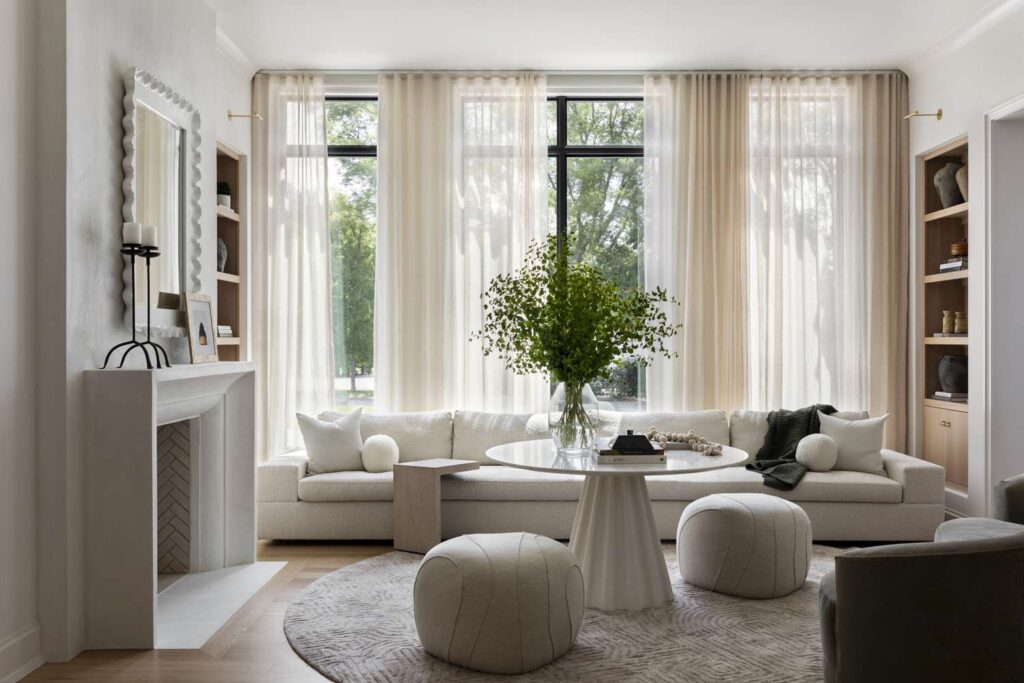
Your surroundings have a direct impact on your mood and productivity. A cluttered environment often leads to distractions, while an organized home encourages relaxation and focus.
Some of the biggest benefits of decluttering include:
- Less stress and mental fatigue
- Easier cleaning and maintenance
- Better organization
- Improved productivity
- More usable living space
- Reduced spending on unnecessary items
- Better sleep quality in clutter-free bedrooms
Decluttering is not about owning fewer things for the sake of minimalism. It is about making room for the belongings that genuinely add value to your daily life.
Start with One Small Area
One of the biggest mistakes people make is trying to declutter the entire house in one day. This usually becomes overwhelming and leads to unfinished projects.
Instead, begin with one manageable space such as:
A Single Drawer
Sort everything into categories. Keep what you use regularly and remove broken or unnecessary items.
One Shelf
Books, decorations, and miscellaneous objects often accumulate over time. Remove everything, clean the shelf, and only return items that belong there.
Your Bedside Table
Keeping this small space tidy creates an immediate feeling of calm every morning and evening.
Completing one small area builds momentum and makes larger decluttering tasks feel much easier.
Follow the Four-Box Decluttering Method
A simple decision-making system helps prevent confusion during the decluttering process.
Prepare four boxes labeled:
Keep
Items you regularly use or genuinely enjoy.
Donate
Belongings in good condition that could help someone else.
Recycle
Paper, cardboard, electronics, or recyclable materials.
Throw Away
Broken, expired, or unusable items.
This approach reduces hesitation and keeps the process moving efficiently.
Declutter One Room at a Time
Every room serves a different purpose, so each requires its own decluttering strategy.
Living Room
Remove outdated magazines, unnecessary decorations, tangled cables, and items that belong in other rooms. Keep surfaces as clear as possible to create an inviting atmosphere.
Kitchen
Discard expired food, duplicate utensils, chipped dishes, and unused appliances. Organize pantry shelves so frequently used ingredients remain easy to access.
Bedroom
Store seasonal clothing separately, clear off bedside tables, and donate clothes you haven’t worn in the past year. A clutter-free bedroom often contributes to better sleep.
Bathroom
Dispose of expired medicines, empty bottles, and old cosmetics. Use simple storage baskets to organize everyday essentials.
Home Office
Organize paperwork, recycle unnecessary documents, manage charging cables, and keep only the tools needed for your daily work.
Working room by room prevents the process from becoming overwhelming.
Use the One-Year Rule
Many people keep items “just in case,” even when they haven’t been used for years.
Ask yourself:
- Have I used this during the past year?
- Would I buy this again today?
- Does it still serve a purpose?
- Does it genuinely make my life better?
If the answer is no, it’s probably time to let it go.
This simple rule helps eliminate unnecessary possessions without regret.
Create Daily Decluttering Habits

Decluttering isn’t a one-time project. Peaceful homes stay organized because of consistent daily habits.
Try these routines:
- Make your bed every morning.
- Return items to their proper place after use.
- Spend ten minutes tidying before bedtime.
- Wash dishes immediately after meals.
- Empty trash bins regularly.
- Sort mail as soon as it arrives.
Small daily actions prevent clutter from building up again.
Organize with Purpose
Buying more storage containers doesn’t always solve clutter problems. Organize only after removing unnecessary belongings.
Useful organization ideas include:
Clear Storage Bins
Transparent containers make it easy to find seasonal items without opening every box.
Drawer Dividers
Perfect for kitchen utensils, office supplies, and clothing accessories.
Vertical Storage
Wall-mounted shelves help maximize space in smaller homes.
Labels
Clearly labeled containers save time and help everyone maintain organization.
Remember, organization should make your life simpler, not more complicated.
Reduce Emotional Clutter
Many belongings carry emotional value, making them difficult to part with.
Instead of keeping every sentimental item:
- Photograph meaningful objects.
- Keep only your favorite memories.
- Create one memory box instead of several.
- Pass treasured family items to relatives who will appreciate them.
Your memories remain even if every object doesn’t.
Declutter Your Digital Life Too
Physical clutter isn’t the only source of stress.
Digital clutter can also become overwhelming.
Take time to:
- Delete duplicate photos.
- Organize computer files.
- Unsubscribe from unwanted emails.
- Remove unused apps.
- Back up important documents.
- Clean your desktop workspace.
A tidy digital environment improves productivity just like a tidy home.
Avoid Bringing New Clutter Inside
Decluttering works best when paired with mindful shopping habits.
Before buying something, ask yourself:
- Do I really need this?
- Where will I store it?
- Do I already own something similar?
- Will I still use it six months from now?
Waiting 24 hours before making non-essential purchases often prevents impulse buying.
Decluttering Tips for Families
Living with children or multiple family members doesn’t mean your home has to feel chaotic.
Encourage everyone to participate by assigning age-appropriate tasks.
Children can organize toys, books, and clothes while adults handle paperwork, storage, and larger household items.
Family decluttering sessions once each month make maintenance much easier than waiting for clutter to accumulate.
Common Decluttering Mistakes to Avoid
Many people unknowingly make decluttering harder than necessary.
Some common mistakes include:
- Trying to organize before decluttering.
- Buying storage for unnecessary items.
- Comparing your home to social media.
- Keeping things out of guilt.
- Attempting to finish the entire house in one weekend.
- Creating “miscellaneous” piles that never get sorted.
Avoiding these habits helps create lasting results.
How Decluttering Improves Mental Well-Being
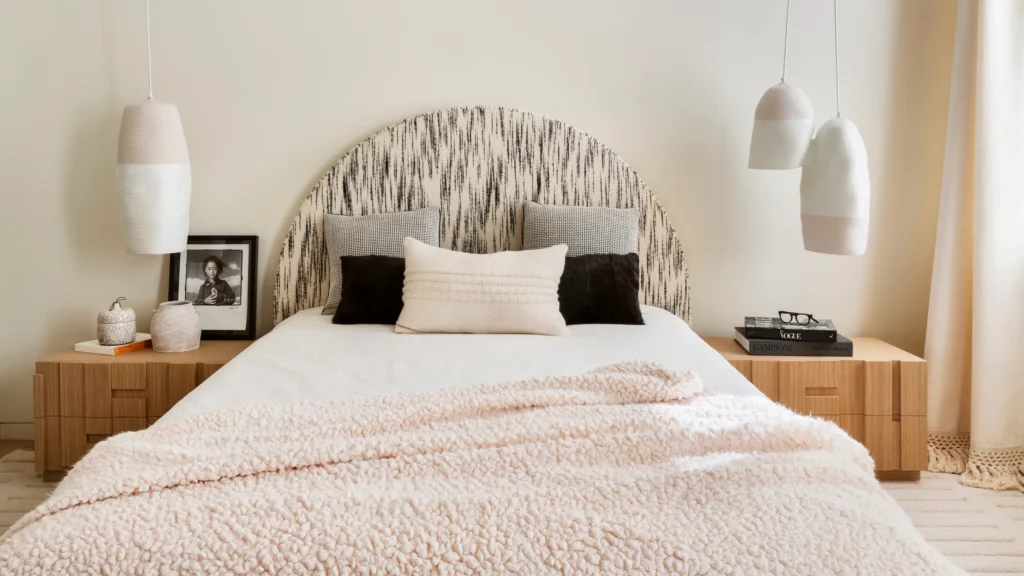
Research continues to show that organized living spaces can positively influence mental health.
A clutter-free home may help:
- Reduce feelings of anxiety.
- Improve concentration.
- Encourage relaxation.
- Increase productivity.
- Make household cleaning faster.
- Support healthier daily routines.
While decluttering isn’t a replacement for professional mental health care, many people find that an organized environment contributes to greater peace of mind.
Maintaining a Peaceful Home Long-Term
Once you’ve decluttered, maintaining your home becomes much easier.
Follow these simple habits:
Follow the One-In, One-Out Rule
Whenever you buy something new, remove one similar item.
Schedule Monthly Decluttering
Spend 30 to 60 minutes each month reviewing closets, cabinets, and storage spaces.
Keep Flat Surfaces Clear
Countertops, tables, and desks quickly collect clutter. Clearing them daily keeps your home looking organized.
Create Storage Homes
Every item should have a designated place. This makes cleaning quick and effortless.
Celebrate Progress
Perfection isn’t the goal. Every small improvement creates a calmer, more enjoyable living environment.
Frequently Asked Questions
How often should I declutter my home?
A major decluttering session once or twice a year is usually enough, while small weekly and monthly routines help maintain organization.
What is the fastest way to start decluttering?
Begin with one drawer, one shelf, or one small area instead of an entire room. Small successes build motivation.
How do I decide what to keep?
Keep items you regularly use, genuinely love, or truly need. If something hasn’t been used for over a year and serves no meaningful purpose, consider donating or recycling it.
Is decluttering good for mental health?
Many people experience reduced stress, better focus, and greater relaxation after organizing their living spaces because clutter often contributes to mental overload.
What if my family doesn’t want to declutter?
Lead by example instead of forcing others. Start with your own belongings, explain the benefits, and encourage small family decluttering sessions over time.
Conclusion
Creating a peaceful home doesn’t require expensive renovations or professional organizers. It begins with thoughtful decisions about what deserves space in your life. By following these Decluttering Tips for a More Peaceful Home, you can reduce stress, improve organization, and create an environment that feels calm, welcoming, and functional every day.
Remember that decluttering is a gradual journey rather than a one-time event. Start with one small area, build consistent habits, and focus on progress instead of perfection. Over time, these simple changes will help transform your home into a place that supports both your lifestyle and your well-being.

Leave a Reply