
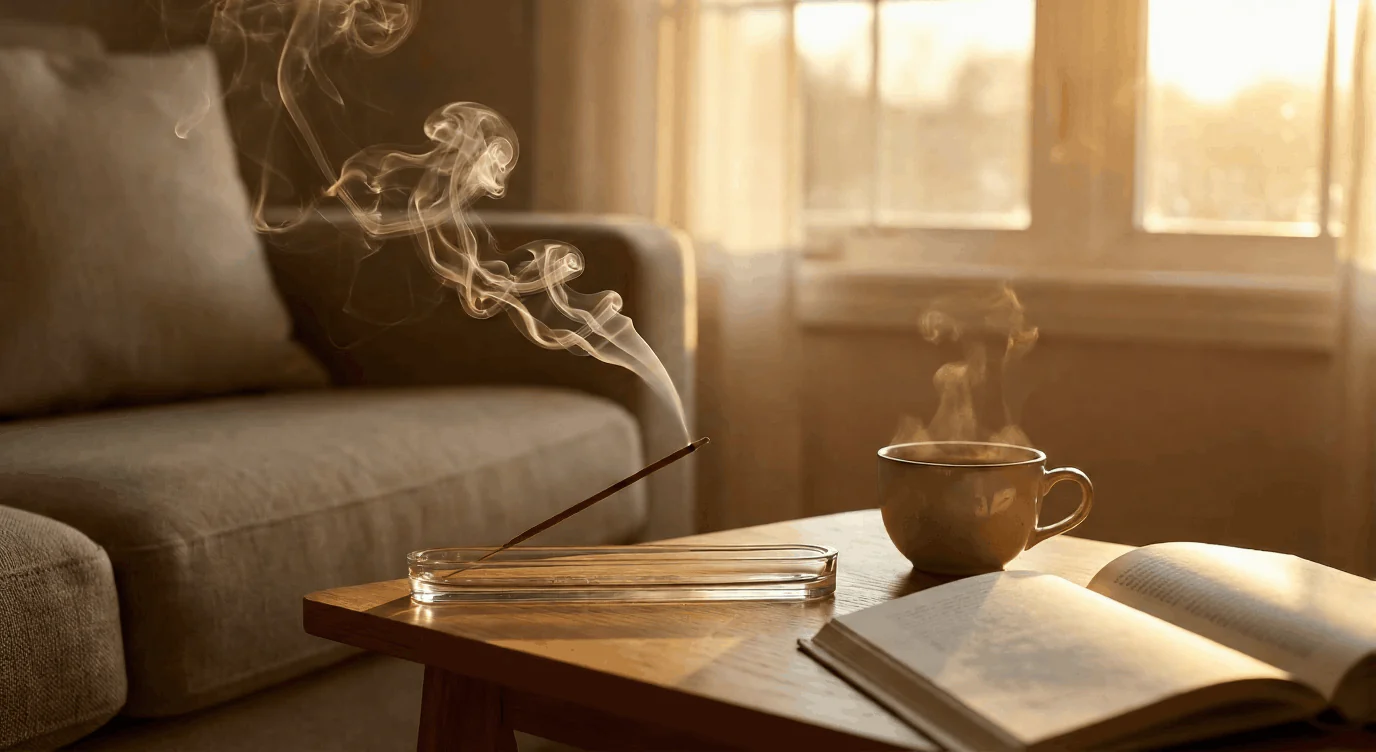
Creating a peaceful home doesn’t always require expensive furniture, complete renovations, or professional interior designers. In reality, the atmosphere of your home is shaped more by your everyday routines than by its size or decoration. Small habits repeated consistently can transform an ordinary living space into a calm retreat where you feel comfortable, refreshed, and mentally at ease.
Whether you live in a spacious house or a compact apartment, practicing mindful daily habits can reduce stress, improve your mood, and make every room feel more welcoming. A relaxing home supports better sleep, increases productivity, and helps you disconnect from the demands of everyday life.
In this guide, you’ll discover practical and affordable daily habits that make your home feel more relaxing without requiring major lifestyle changes.
Start Every Morning by Opening Windows
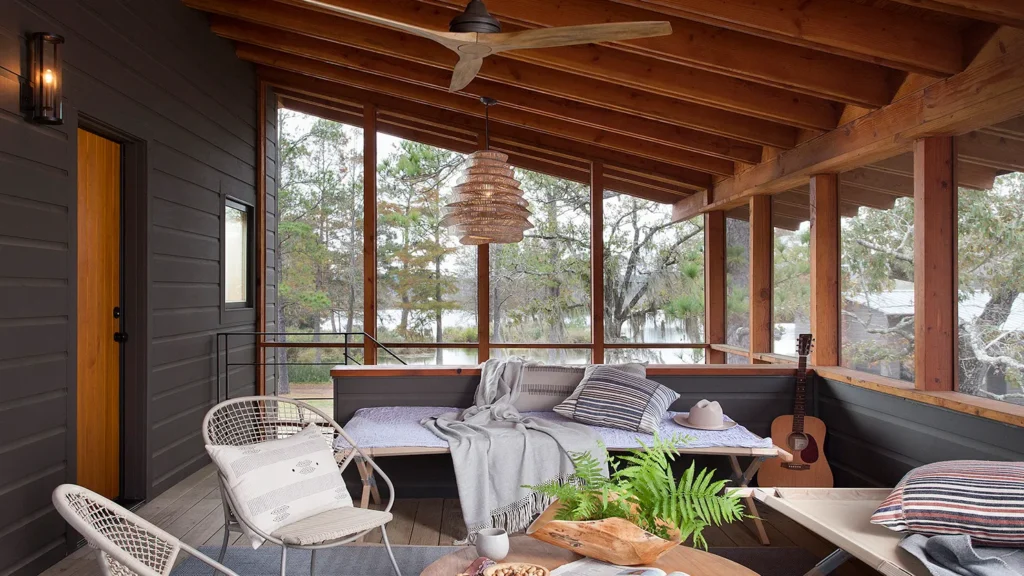
Fresh air is one of the easiest ways to improve the atmosphere inside your home. Opening your windows for even 15 to 30 minutes each morning allows stale indoor air to escape while bringing in fresh oxygen and natural scents from outside.
Natural ventilation can also reduce humidity, eliminate unwanted odors, and create a cleaner feeling throughout your home. Combined with natural daylight, this simple habit instantly makes your rooms feel brighter and more inviting.
If you live in a busy city, choose the quietest part of the morning to ventilate your home for the best results.
Make Your Bed Every Morning
Making your bed may seem like a small task, but it creates an immediate sense of order. A neatly made bed makes your bedroom appear cleaner and more organized, encouraging you to maintain that feeling throughout the day.
This habit also helps establish a positive morning routine. Coming back to a tidy bedroom in the evening provides a subtle feeling of relaxation after a long day.
Choose breathable bedding made from cotton or linen to create a fresh and comfortable sleeping environment.
Keep Surfaces Clutter-Free
Visual clutter often leads to mental clutter. When tables, kitchen counters, and shelves become crowded with unnecessary items, the entire home can start feeling overwhelming.
Spend just five to ten minutes each day returning items to their proper places. Keeping only essential or meaningful objects on display creates a calmer environment and makes cleaning much easier.
Instead of aiming for perfection, focus on maintaining simple, functional spaces that feel open and organized.
Add Natural Light Whenever Possible
Natural light has a significant impact on both mood and energy levels. During the day, open curtains and blinds fully to allow sunlight into your home.
Position mirrors opposite windows to reflect more light into darker areas. Light-colored walls and furniture can also help maximize brightness without requiring additional lighting.
In rooms with limited sunlight, choose warm white LED bulbs that create a soft, comfortable atmosphere instead of harsh lighting.
Use Pleasant Natural Scents

Our sense of smell strongly influences how we experience a space. Pleasant natural scents instantly make a home feel cleaner and more relaxing.
Some popular choices include:
Lavender
Known for its calming properties, lavender works well in bedrooms and reading spaces.
Citrus
Lemon and orange fragrances provide freshness and energy, making them ideal for kitchens and living rooms.
Eucalyptus
This scent creates a refreshing spa-like atmosphere, especially in bathrooms.
Fresh flowers, indoor herbs, essential oil diffusers, and naturally scented candles can all enhance your home’s ambiance without overwhelming the senses.
Introduce More Indoor Plants
Indoor plants bring life, color, and natural beauty into your home. They soften interior spaces while creating a stronger connection to nature.
Some beginner-friendly houseplants include:
Snake Plant
Requires very little maintenance and tolerates low light.
Pothos
Fast-growing and ideal for shelves or hanging baskets.
Peace Lily
Adds elegance while thriving indoors with moderate care.
Even placing one or two plants in each room can noticeably improve the overall atmosphere.
Create a Simple Evening Reset Routine
Instead of leaving household tasks until the weekend, spend ten minutes each evening resetting your home.
This routine might include:
- Folding blankets
- Washing dishes
- Wiping kitchen counters
- Returning items to storage
- Preparing for the next morning
Waking up to a clean home reduces stress and creates a more peaceful start to your day.
Reduce Noise Inside Your Home
Many people underestimate how much constant background noise affects relaxation.
Whenever possible:
- Turn off televisions when nobody is watching.
- Keep phone notifications to a minimum.
- Close unnecessary browser tabs while working from home.
- Choose soft background music instead of loud entertainment.
Quiet spaces naturally encourage relaxation and better focus.
Choose Soft Lighting During the Evening
Bright overhead lighting is useful during the day but can feel harsh at night.
Layer your lighting with:
Table Lamps
Perfect for reading corners.
Floor Lamps
Create warmth in living rooms.
Warm LED Bulbs
Choose bulbs between 2700K and 3000K for a cozy atmosphere.
Soft lighting signals your brain that it’s time to relax, making evenings feel much more peaceful.
Keep Comfortable Blankets and Cushions Nearby
Small comfort items can dramatically change how inviting your home feels.
Store soft throws on sofas and place supportive cushions in reading areas. During colder months, textured blankets create warmth without requiring expensive home upgrades.
Comfort encourages you to spend more quality time relaxing at home instead of constantly seeking comfort elsewhere.
Create Screen-Free Moments Every Day
Modern homes are filled with televisions, tablets, laptops, and smartphones. While technology is useful, constant screen exposure can increase stress.
Designate at least one area where digital devices remain out of sight.
Instead, spend time:
- Reading
- Journaling
- Practicing meditation
- Talking with family
- Enjoying a cup of tea
These quiet moments help restore mental balance.
Keep Cleaning Simple but Consistent
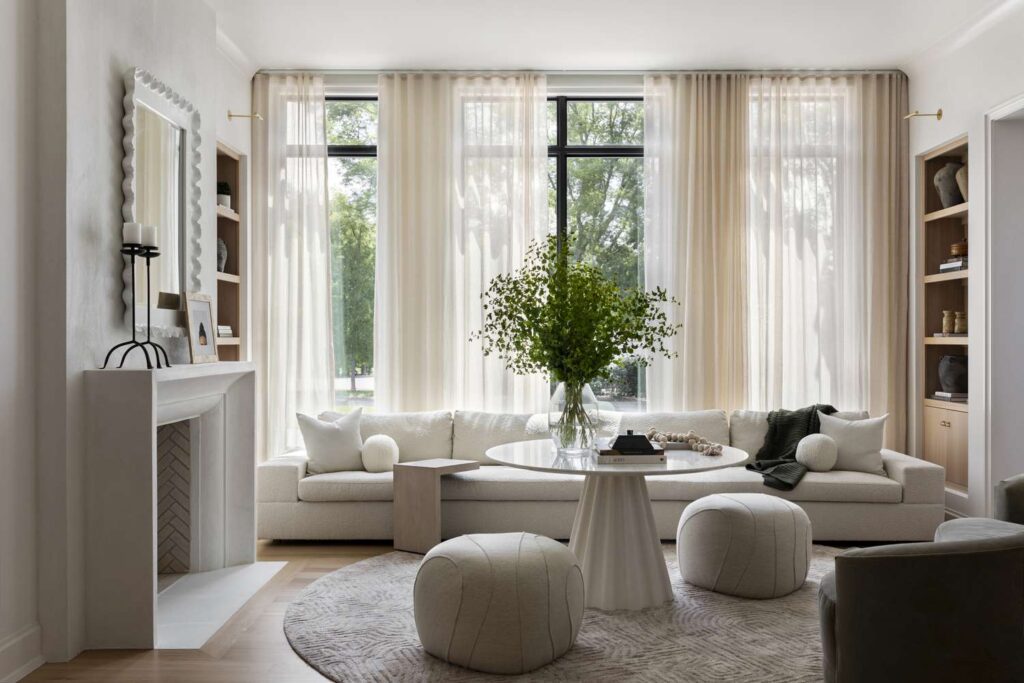
A spotless home isn’t necessary for relaxation, but regular maintenance makes a noticeable difference.
Focus on daily habits rather than marathon cleaning sessions.
Simple tasks include:
- Vacuuming high-traffic areas
- Wiping bathroom surfaces
- Emptying trash bins
- Washing dishes promptly
- Dusting frequently used furniture
Small efforts every day prevent overwhelming messes from building up.
Personalize Your Space
Your home should reflect your personality rather than current design trends.
Display items that genuinely make you happy, such as:
- Family photographs
- Travel souvenirs
- Favorite books
- Handmade artwork
- Meaningful decorations
Avoid overcrowding your rooms. Carefully selected personal touches create warmth without adding clutter.
Practice Mindful Organization
Organization isn’t about owning more storage containers. It’s about giving everything a designated place.
When items consistently return to the same location, your home stays tidy with much less effort.
Consider organizing one small area each week instead of attempting to reorganize your entire home at once.
Make Relaxation Part of Your Routine
Your environment influences your habits, but your habits also shape your environment.
Create small daily rituals that help you unwind.
Examples include:
- Drinking herbal tea before bed
- Reading for twenty minutes
- Stretching after work
- Lighting a candle during dinner
- Listening to calming instrumental music
These consistent routines teach your mind to associate home with peace and comfort.
Common Mistakes That Prevent a Relaxing Home
Many people unknowingly create unnecessary stress inside their homes.
Some common mistakes include:
Keeping Too Many Decorations
An overcrowded room often feels busier rather than more beautiful.
Ignoring Natural Light
Closed curtains can make even large rooms feel smaller and darker.
Delaying Small Cleaning Tasks
Small messes quickly become overwhelming when ignored.
Buying Instead of Simplifying
New furniture doesn’t always improve comfort. Removing unnecessary items often has a bigger impact.
Using Harsh White Lighting
Cool lighting can make living spaces feel more like offices than relaxing homes.
Frequently Asked Questions
How can I make my home feel relaxing on a small budget?
Focus on habits rather than expensive purchases. Decluttering, opening windows, improving lighting, adding plants, and maintaining cleanliness can dramatically improve your home’s atmosphere.
How long does it take to notice a difference?
Many people notice positive changes within just a few days of consistently following simple daily routines.
Do indoor plants really make a home feel calmer?
Yes. Indoor plants add natural beauty, soften interior spaces, and help create a peaceful environment.
Which room should I improve first?
Start with the room where you spend the most time, such as your bedroom or living room. Improvements there will have the greatest daily impact.
Is minimalism necessary for a relaxing home?
Not at all. A relaxing home simply needs to feel organized, comfortable, and personal. You can enjoy a cozy style without becoming a minimalist.
Conclusion
Creating a peaceful living space isn’t about spending more money—it’s about building better habits. Small actions like opening your windows, making your bed, reducing clutter, using soft lighting, and bringing nature indoors gradually transform the atmosphere of your home. Over time, these simple routines become part of your lifestyle, helping your home feel more relaxing, welcoming, and restorative every single day.
The best part is that you don’t need to implement everything at once. Start with one or two habits, stay consistent, and allow your home to evolve into a place where you truly enjoy spending time. A calm home begins with calm daily choices, and those choices can make a lasting difference in your overall well-being.

Leave a Reply