
Introduction
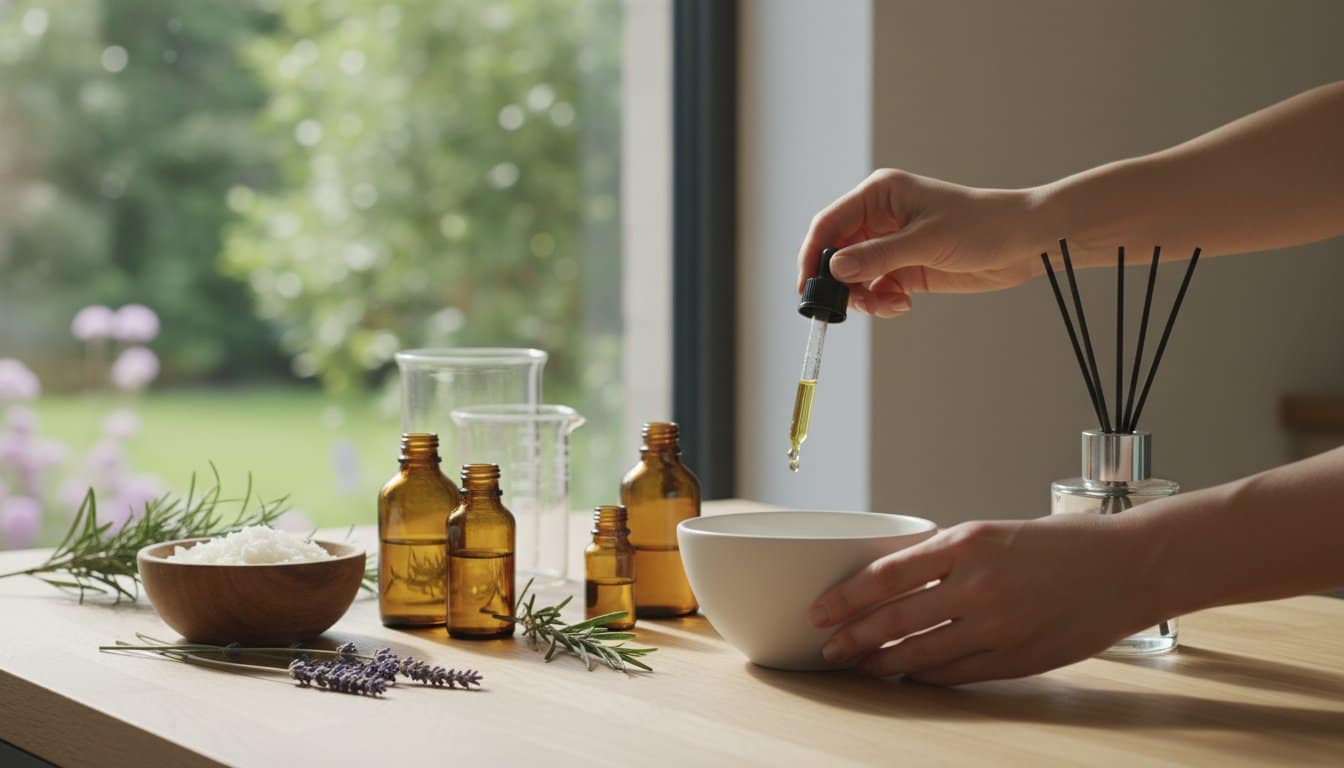
A beautifully decorated home appeals to the eyes, but a thoughtfully scented home creates an unforgettable experience. Fragrance has the power to influence mood, reduce stress, improve focus, and make every room feel more welcoming. Whether you want your living room to feel cozy, your bedroom to promote better sleep, or your bathroom to smell fresh all day, learning the basics of home fragrance can completely change the atmosphere of your space.
If you’ve never explored home scents before, choosing between candles, diffusers, room sprays, wax melts, and essential oils can feel overwhelming. The good news is that creating a pleasant-smelling home doesn’t require expensive products or professional interior styling. Once you understand how different fragrances work and where to use them, you can build a scent profile that reflects your personality and complements your lifestyle.
This complete beginner’s guide to home fragrance explains everything you need to know, from selecting the right scents to avoiding common mistakes, helping you create a home that feels comfortable, inviting, and uniquely yours.
What Is Home Fragrance?
Home fragrance refers to the use of scented products that add pleasant aromas to indoor spaces. Unlike perfumes that are worn on the body, home fragrances are designed to enhance the atmosphere of rooms and create emotional connections with a space.
Different scents can instantly change how a room feels. Fresh citrus notes make kitchens feel clean and energetic, floral fragrances create a relaxing environment, while warm woody scents add comfort and sophistication to living spaces.
Home fragrance is now considered an important part of interior lifestyle design because scent influences memory, emotions, and overall comfort.
Why Home Fragrance Matters
Many people focus on furniture, lighting, and décor but overlook one of the most powerful design elements: scent.
A pleasant fragrance can make guests feel welcome from the moment they enter your home. It can also help reduce unpleasant odors without simply masking them. Carefully chosen scents contribute to relaxation after a long day, improve concentration while working from home, and create a calming bedtime routine.
Because our sense of smell is closely connected to memory, your home’s signature fragrance can leave a lasting impression on family members and visitors alike.
Understanding Fragrance Notes

Learning about fragrance notes makes it much easier to choose scents you’ll actually enjoy.
Top Notes
Top notes are the first scents you notice immediately after a fragrance is released. These are usually light, crisp, and refreshing. Popular top notes include lemon, bergamot, grapefruit, mint, and eucalyptus.
Middle Notes
Also called heart notes, these develop after the top notes fade. They create the main personality of the fragrance. Lavender, rose, jasmine, cinnamon, and green tea are common examples.
Base Notes
Base notes remain the longest and provide depth to the fragrance. Popular choices include sandalwood, cedarwood, vanilla, amber, musk, and patchouli.
A balanced home fragrance combines all three layers to create a pleasant and long-lasting scent.
Different Types of Home Fragrance Products
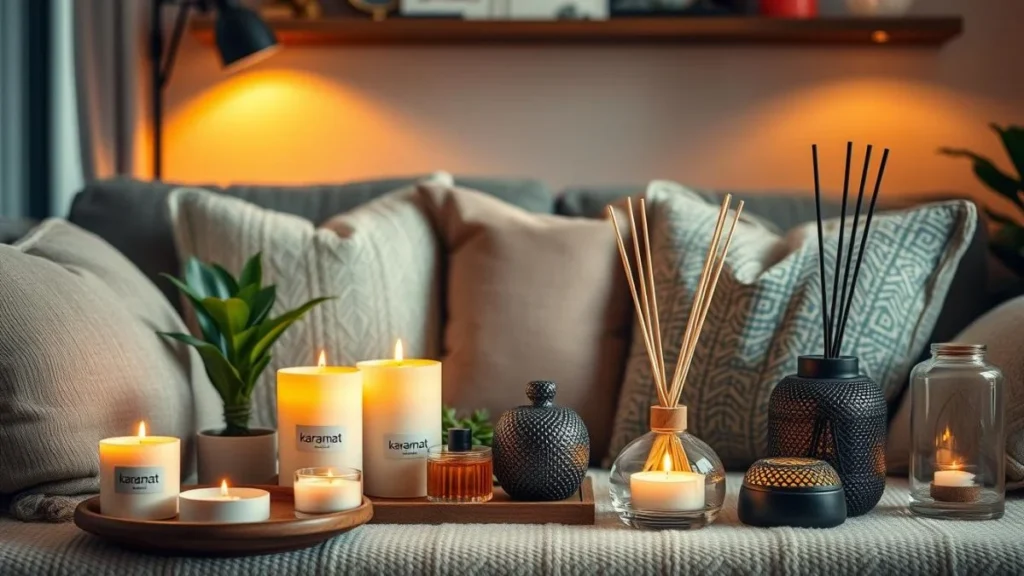
Choosing the right product depends on your room size, lifestyle, and personal preference.
Scented Candles
Candles create both fragrance and ambiance. Their warm glow makes them ideal for relaxing evenings, reading sessions, or entertaining guests. High-quality candles made from soy or beeswax generally burn cleaner than paraffin alternatives.
Reed Diffusers
Reed diffusers provide continuous fragrance without electricity or flames. They work well in hallways, bathrooms, and bedrooms where a constant subtle scent is preferred.
Essential Oil Diffusers
Ultrasonic diffusers disperse essential oils into the air using water vapor. They are popular among people who enjoy natural fragrances and aromatherapy benefits.
Room Sprays
Room sprays provide an instant burst of freshness whenever needed. They are useful before guests arrive or after cooking.
Wax Melts
Wax melts release fragrance using an electric or tealight warmer. Since there is no open flame from the wax itself, they offer a flexible alternative to candles.
Incense
Incense sticks and cones create strong, distinctive aromas and are commonly used for meditation, relaxation, or spiritual practices.
How to Choose the Right Home Fragrance
Choosing a scent becomes much easier when you consider your personal preferences and the purpose of each room.
If you enjoy clean environments, citrus, linen, and fresh cotton scents are excellent options. Those who love cozy interiors often prefer vanilla, amber, sandalwood, and cinnamon. Floral lovers may enjoy rose, jasmine, peony, or lily, while nature enthusiasts usually appreciate pine, cedarwood, eucalyptus, and herbal fragrances.
Rather than choosing the strongest fragrance available, aim for scents that feel natural and complement your home’s atmosphere.
Best Fragrances for Every Room
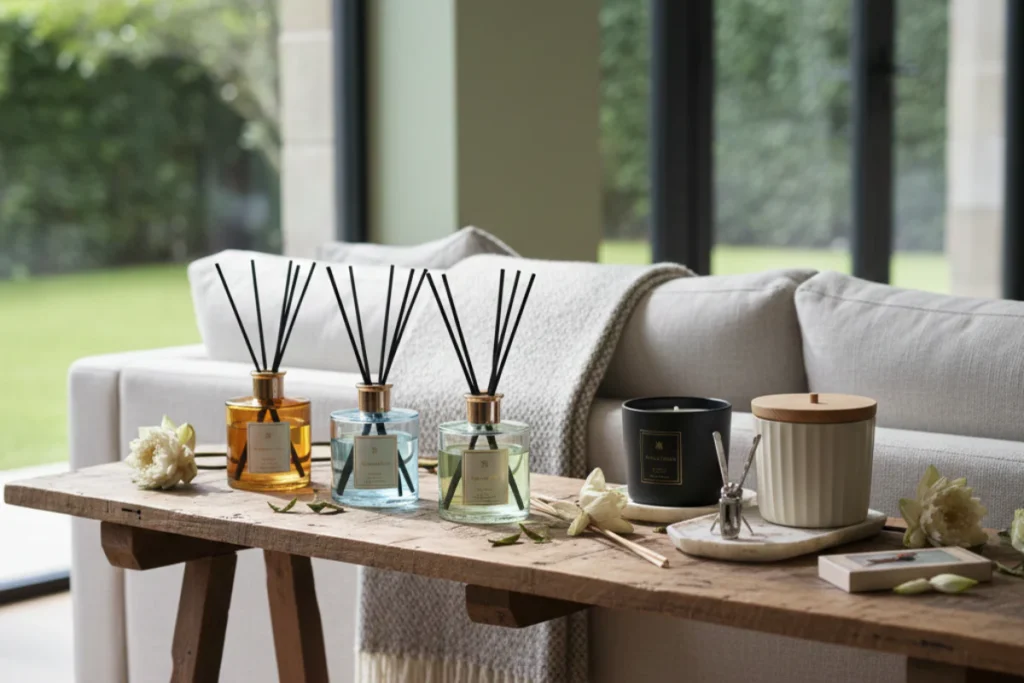
Living Room
The living room is where families gather and guests spend most of their time. Warm vanilla, sandalwood, cedarwood, amber, or soft floral fragrances create an inviting environment without becoming overwhelming.
Bedroom
Bedrooms benefit from calming scents that encourage relaxation. Lavender, chamomile, jasmine, and soft vanilla are excellent choices for creating a peaceful nighttime atmosphere.
Kitchen
Fresh and clean fragrances work best in kitchens. Lemon, orange, basil, peppermint, and green tea help maintain a clean feeling while reducing lingering cooking odors.
Bathroom
Bathrooms feel cleaner with refreshing fragrances like eucalyptus, sea salt, bamboo, cucumber, or white tea.
Home Office
Focus-enhancing scents such as rosemary, peppermint, eucalyptus, citrus, and bergamot can help create an energizing workspace.
Natural vs Synthetic Fragrances
Many beginners wonder whether natural fragrances are always better than synthetic ones.
Natural fragrances are usually derived from flowers, herbs, woods, and fruits through essential oils or botanical extracts. They often provide a more authentic scent experience but may not last as long.
Synthetic fragrances can reproduce complex aromas, offer better longevity, and often provide greater consistency between batches.
The best option depends on your preferences, budget, and any fragrance sensitivities in your household.
Common Home Fragrance Mistakes
One of the biggest mistakes beginners make is using multiple strong fragrances in the same room. Competing scents can become overwhelming instead of relaxing.
Another common mistake is placing diffusers near open windows, air vents, or fans where fragrance quickly disperses. Likewise, forgetting to rotate reed diffuser sticks regularly reduces scent performance.
People also tend to choose fragrances based only on popularity instead of selecting scents that match their personal preferences and daily lifestyle.
Finally, fragrance should complement a clean home, not replace regular cleaning. Eliminating the source of unpleasant odors always produces better results than masking them.
Seasonal Home Fragrance Ideas
Changing fragrances throughout the year keeps your home feeling fresh and interesting.
Spring pairs beautifully with floral scents like peony, lilac, cherry blossom, and fresh linen.
Summer is ideal for citrus, coconut, ocean breeze, watermelon, and tropical fruits.
Autumn welcomes warmer aromas including cinnamon, apple, pumpkin, clove, and cedarwood.
Winter creates a cozy atmosphere with vanilla, pine, sandalwood, amber, frankincense, and spiced orange.
Tips for Making Home Fragrance Last Longer
Start by selecting products designed for the size of your room. A diffuser that works well in a bathroom may be too subtle for a large living room.
Keep doors and windows closed for a while after introducing a new fragrance so it can settle throughout the room. Flip diffuser reeds every few days, trim candle wicks before lighting, and store fragrance products away from direct sunlight to preserve their quality.
Layering similar fragrance families can also create a richer scent experience. For example, pairing a vanilla candle with a sandalwood diffuser often feels more balanced than mixing unrelated fragrances.
Creating Your Home’s Signature Scent
Many luxury hotels are instantly recognizable because of their signature fragrance. You can achieve a similar effect at home by choosing one primary scent family that appears throughout your living spaces.
Instead of making every room smell completely different, create subtle variations around a central fragrance theme. For example, your living room might feature sandalwood and amber, while the bedroom includes lavender blended with vanilla. This creates consistency while allowing each space to maintain its own personality.
Over time, family members and visitors may begin to associate that unique fragrance with your home, making every visit feel familiar and welcoming.
Frequently Asked Questions
What is the best home fragrance for beginners?
Reed diffusers and scented candles are excellent starting options because they are easy to use, widely available, and come in many fragrance styles.
Which fragrance lasts the longest?
Reed diffusers generally provide continuous fragrance for several weeks, while high-quality candles and wax melts offer longer-lasting scent during use.
Are essential oils safe for home fragrance?
Most essential oils are safe when used according to product instructions. However, some oils may not be suitable for pets, children, or individuals with certain sensitivities.
How many fragrances should I use in one room?
Keeping one primary fragrance or two closely related scents creates a cleaner and more pleasant atmosphere than mixing several unrelated aromas.
How often should I replace home fragrance products?
Replacement depends on the product type. Diffuser oils usually last one to three months, candles should be replaced once burned, and room sprays can last several months with regular use.
Conclusion
Creating a beautifully scented home is about much more than simply adding fragrance. It’s about shaping the mood of each room, making everyday moments more enjoyable, and giving your home a welcoming personality. As this complete beginner’s guide to home fragrance shows, understanding fragrance notes, choosing the right products, and matching scents to each space can make a noticeable difference without requiring a large budget.
Start with one room, experiment with fragrances that suit your style, and gradually develop a signature scent that reflects your personality. With thoughtful choices and simple maintenance, home fragrance can become one of the most enjoyable and memorable elements of your interior lifestyle.

Leave a Reply