

Introduction
Walking into your home should feel comforting, but sometimes the air tells a different story. Even after vacuuming, mopping, and taking out the trash, an unpleasant smell may still linger. Many homeowners assume that air fresheners are the solution, but they usually hide odors instead of removing the real cause.
If you’ve ever wondered why your home doesn’t smell fresh, you’re not alone. Everyday activities like cooking, having pets, doing laundry, and simply living indoors create odors that can build up over time. Dust, moisture, poor ventilation, and hidden mold can also make your home smell stale without you even realizing it.
The good news is that fresh-smelling homes are not created with expensive products or constant cleaning. They result from identifying the source of unwanted odors and fixing the problem at its root. This guide explains why your home doesn’t smell fresh, the most common causes, and practical ways to create a cleaner, healthier, and naturally pleasant indoor environment.
Why Your Home Doesn’t Smell Fresh
A home rarely smells bad because of a single reason. Most unpleasant odors come from a combination of moisture, trapped dust, poor airflow, and everyday household habits. Since people become accustomed to their own home’s scent, visitors often notice odors that homeowners completely miss.
Instead of masking smells with sprays or scented candles, it’s important to understand what is causing them. Once the source is removed, your home will stay fresher for much longer.
Common Reasons Your Home Smells Stale

Poor Ventilation
Fresh air plays a major role in maintaining a pleasant indoor environment. Homes that remain closed throughout the day trap cooking smells, humidity, and airborne particles. Without proper ventilation, stale air continues circulating from room to room.
Opening windows for even 15 to 30 minutes daily allows fresh air to replace indoor pollutants. Exhaust fans in kitchens and bathrooms also help remove moisture and unwanted odors before they spread throughout the house.
Hidden Moisture and Mold
Moisture is one of the biggest reasons a house develops a musty smell. Water leaks behind walls, damp basements, wet carpets, or humid bathrooms create the perfect conditions for mold and mildew growth.
Even small amounts of hidden moisture can produce strong odors long before visible mold appears. Fixing leaks quickly, improving ventilation, and reducing indoor humidity can eliminate these smells while protecting your home’s structure.
Dirty Carpets and Rugs
Carpets collect dirt, dust, pet hair, food crumbs, and moisture every day. Regular vacuuming removes surface debris, but deep odors often remain trapped inside carpet fibers.
Professional carpet cleaning or thorough steam cleaning every six to twelve months helps remove deeply embedded dirt that causes lingering smells.
Furniture and Upholstery
Sofas, curtains, mattresses, and upholstered chairs absorb odors from cooking, pets, smoke, and everyday living. Over time these fabrics release trapped smells back into the room.
Vacuuming upholstery regularly and washing removable covers can significantly improve indoor freshness.
The Kitchen Can Be a Hidden Source of Odors
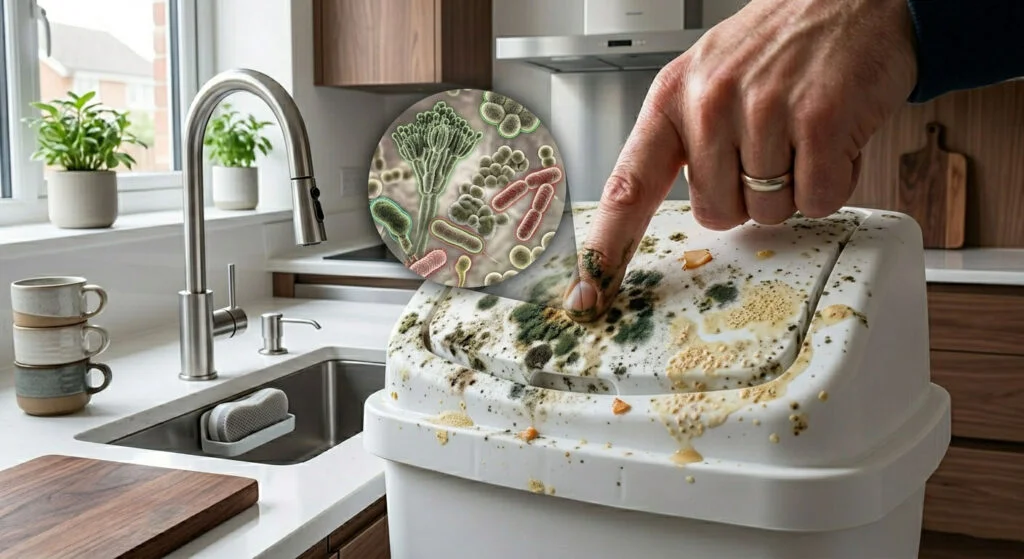
Many people clean kitchen counters every day but overlook areas where odors actually develop.
Food particles often collect beneath appliances, inside sink drains, garbage disposals, and refrigerator drip trays. Grease also builds up on range hoods and cabinets, creating unpleasant smells that slowly spread throughout the home.
Cleaning these overlooked spaces regularly prevents odors from becoming permanent.
Don’t Forget the Trash Can
Even after replacing the garbage bag, the trash can itself may still smell unpleasant because liquids leak into the bottom.
Wash trash bins with warm water and mild detergent every few weeks. Allow them to dry completely before inserting a new liner.
Bathrooms Often Need More Than Surface Cleaning
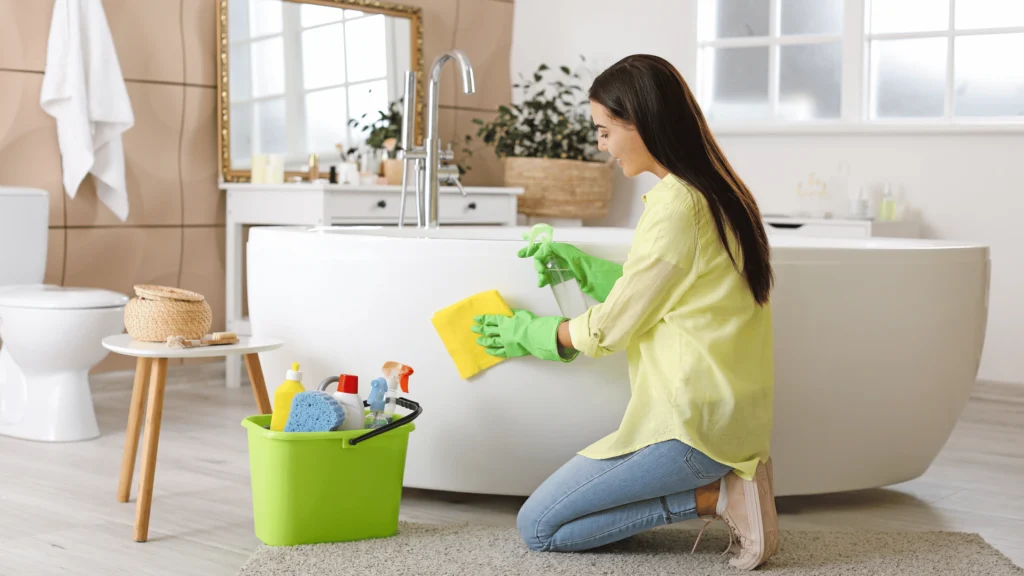
Bathrooms naturally contain moisture, making them one of the easiest places for odors to develop.
Dirty shower curtains, damp towels, clogged drains, and poor ventilation all contribute to unpleasant smells.
Running the exhaust fan after every shower, washing bath mats regularly, and cleaning drains monthly can dramatically improve bathroom freshness.
Laundry Rooms Can Hold Unexpected Odors
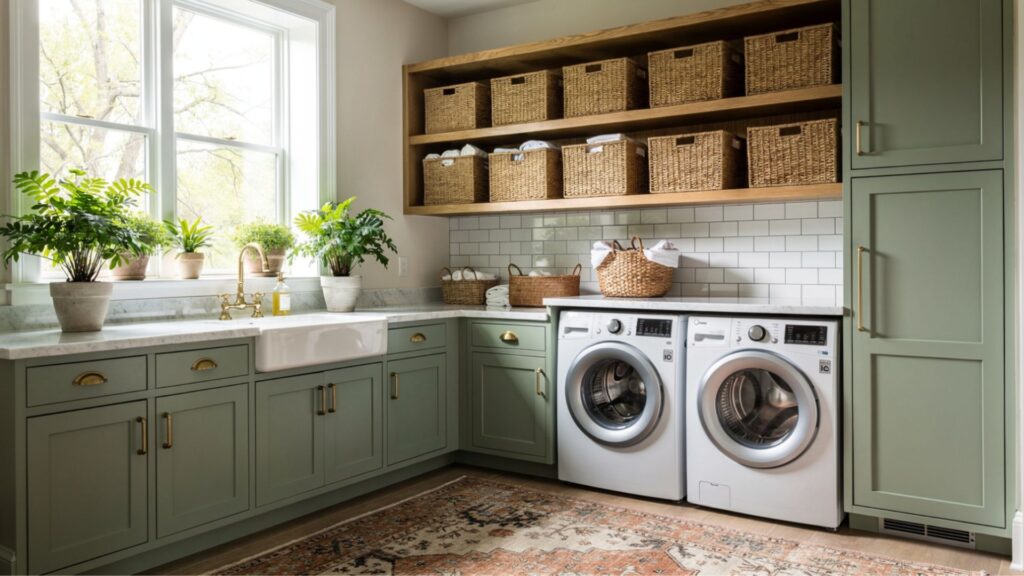
Front-loading washing machines are especially prone to developing mildew if the door remains closed after each wash.
Leaving the washer door slightly open allows moisture to evaporate, reducing mold growth.
Dryers also require regular lint removal since trapped lint can produce musty odors while reducing appliance efficiency.
Pet Odors Need More Than Air Freshener

Pets bring joy into a home, but they also contribute to lingering odors.
Pet beds, blankets, toys, litter boxes, and accidents on carpets all create smells that gradually spread through the house.
Regular grooming, frequent washing of pet bedding, and immediate cleaning of accidents help prevent odors from becoming permanent.
Litter boxes should be scooped daily and cleaned thoroughly every week.
Indoor Air Quality Matters

Poor indoor air quality affects not only how your home smells but also how comfortable it feels.
Dust particles, pollen, cooking fumes, cleaning chemicals, and excess humidity all contribute to stale indoor air.
Improving air quality naturally creates a fresher-smelling home without relying on artificial fragrances.
Replace Air Filters
Heating and cooling systems circulate air throughout your home.
Dirty HVAC filters become filled with dust, pollen, and other particles that reduce airflow and spread unpleasant smells.
Replacing filters every one to three months helps maintain cleaner indoor air.
Consider an Air Purifier
Air purifiers equipped with HEPA filters capture airborne particles while activated carbon filters absorb many household odors.
Although they don’t solve every odor problem, they can noticeably improve indoor freshness when combined with regular cleaning.
Natural Ways to Keep Your Home Smelling Fresh
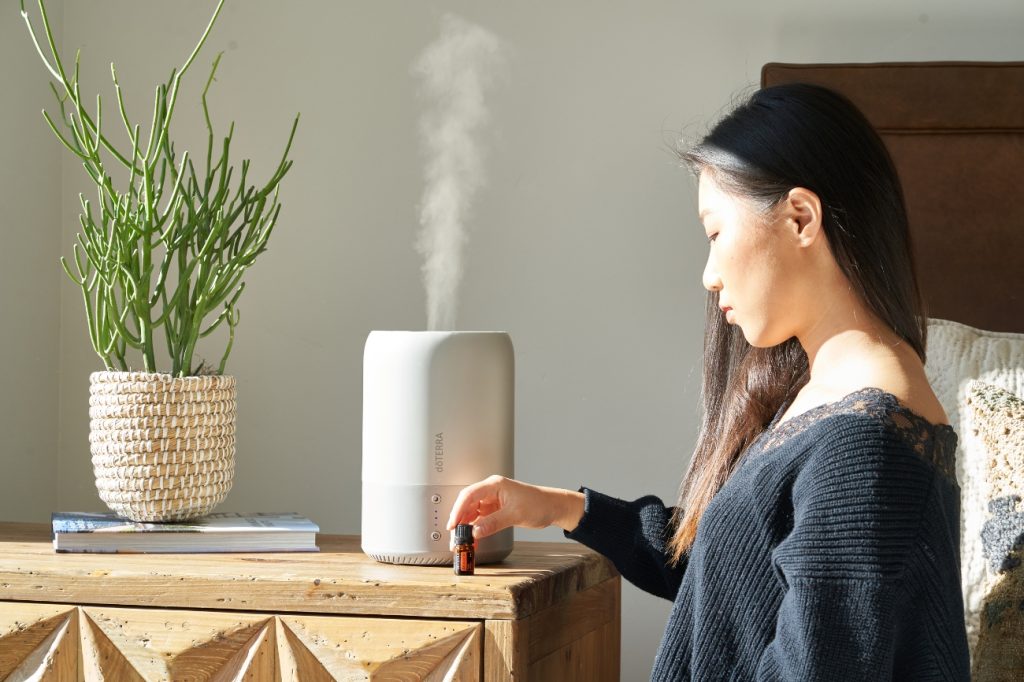
Artificial fragrances often cover odors temporarily instead of removing them.
Natural methods create a cleaner scent because they address the underlying causes.
Let Fresh Air In
Opening windows each morning is one of the simplest and most effective ways to refresh indoor air.
Even during colder months, short periods of ventilation help reduce trapped odors.
Use Baking Soda
Baking soda naturally absorbs many household odors.
Place small containers inside refrigerators, closets, shoe cabinets, or near trash bins to reduce unpleasant smells.
White Vinegar Helps Neutralize Odors
White vinegar can neutralize many smells on hard surfaces.
Use diluted vinegar to clean kitchen counters, sinks, garbage bins, and bathroom fixtures.
The vinegar smell disappears quickly as it dries.
Houseplants Can Help
Certain indoor plants improve the appearance of your home while contributing to a fresher atmosphere.
Although plants alone won’t eliminate strong odors, they can complement good ventilation and regular cleaning.
Areas People Often Forget to Clean
Many hidden locations quietly collect dirt and produce odors over time.
These include:
- Behind refrigerators
- Under sofas
- Air vents
- Shoe racks
- Curtains
- Ceiling fans
- Window tracks
- Closet floors
- Garbage can lids
- Dishwasher filters
Cleaning these areas every few months prevents odor buildup before it becomes noticeable.
Daily Habits That Keep Your Home Fresh
Small daily routines make a bigger difference than occasional deep cleaning.
Wash dishes promptly instead of leaving them overnight.
Take kitchen trash out regularly.
Vacuum high-traffic areas several times each week.
Allow towels to dry completely after use.
Keep dirty laundry in ventilated baskets instead of sealed piles.
Wipe kitchen counters after cooking.
These simple habits reduce odor sources before they become difficult to remove.
Mistakes That Make Odors Worse
Many homeowners unintentionally create stronger odors while trying to eliminate them.
Using too much air freshener only masks the smell instead of solving the problem.
Ignoring humidity allows mold and mildew to grow.
Skipping deep cleaning lets dirt accumulate in fabrics.
Keeping windows closed all day prevents fresh air from circulating.
Neglecting HVAC maintenance spreads stale air throughout the house.
Avoiding these common mistakes helps maintain a naturally clean-smelling home.
Seasonal Tips for a Fresh-Smelling Home
Each season presents different odor challenges.
During summer, increased humidity encourages mold growth, making dehumidifiers and ventilation especially important.
Autumn often brings damp leaves, muddy shoes, and moisture indoors, so entryways should be cleaned frequently.
Winter homes remain closed for long periods, making fresh air circulation even more important despite the cold weather.
Spring is an ideal time for deep cleaning carpets, upholstery, curtains, and overlooked storage areas.
Adjusting your cleaning routine with the seasons helps maintain consistent freshness all year.
Signs You Should Investigate an Odor
Some household smells disappear after normal cleaning, while others may indicate a larger issue.
Persistent musty odors could suggest hidden water damage.
Rotten smells may point to spoiled food behind appliances or plumbing problems.
Burning odors should never be ignored because they may indicate electrical issues.
Sewer-like smells often require plumbing inspection.
If an odor remains despite thorough cleaning, identifying its source quickly can prevent more expensive repairs later.
Frequently Asked Questions
Why does my house smell bad even after cleaning?
Surface cleaning removes visible dirt, but odors often remain trapped inside carpets, furniture, drains, trash bins, air filters, or hidden moisture areas.
How can I make my home smell fresh naturally?
Open windows daily, clean hidden areas regularly, reduce indoor humidity, wash fabrics frequently, use baking soda for odor absorption, and improve ventilation.
How often should I deep clean carpets?
Most homes benefit from deep carpet cleaning every six to twelve months. Homes with pets or children may require more frequent cleaning.
Can air fresheners remove bad smells permanently?
No. Most air fresheners temporarily mask odors rather than eliminating their source. Identifying and removing the cause provides longer-lasting freshness.
What causes a musty smell inside a house?
A musty smell is commonly caused by excess moisture, hidden leaks, mold, mildew, damp carpets, poor ventilation, or high indoor humidity.
Conclusion
Understanding why your home doesn’t smell fresh is the first step toward creating a cleaner and more welcoming living space. Instead of relying on scented sprays, focus on removing odor sources, improving ventilation, controlling moisture, and maintaining regular cleaning habits.
A naturally fresh home doesn’t require expensive products or constant effort. Simple routines like opening windows, cleaning overlooked areas, replacing air filters, and addressing moisture problems can dramatically improve indoor air quality. By tackling the root causes rather than covering them up, you’ll enjoy a home that feels healthier, smells cleaner, and remains inviting every day.

Leave a Reply