
A fresh-smelling bedroom does more than make your home pleasant. It creates a relaxing environment where you can sleep better, wake up refreshed, and feel comfortable throughout the day. However, unpleasant bedroom odors can develop slowly, making them difficult to notice until they become persistent. Dirty laundry, trapped moisture, poor ventilation, pets, dust, and even mattresses can all contribute to unwanted smells.
The good news is that you don’t need expensive products or harsh chemicals to solve the problem. Understanding the source of the odor is the first step toward eliminating it permanently instead of simply covering it up with air fresheners. In this guide, you’ll learn practical and effective ways to remove bad smells from your bedroom while keeping the space cleaner, healthier, and naturally fresh.
Why Does Your Bedroom Smell Bad?
Bedroom odors rarely come from a single source. Most unpleasant smells develop because several factors combine over time.
Common causes include poor airflow, sweaty bedding, dirty carpets, damp walls, mold growth, pet odors, overflowing laundry baskets, food left in the room, and accumulated dust. Even a clean-looking bedroom can trap odors inside mattresses, curtains, rugs, and upholstered furniture.
Before trying to eliminate odors, spend a few minutes identifying where the smell is strongest. Finding the source makes every cleaning effort more effective.
Improve Ventilation Every Day
Fresh air is one of the simplest and most effective solutions for bedroom odors.
Open your windows for at least twenty to thirty minutes every morning. Cross ventilation allows stale air to leave while bringing in clean outdoor air. If your room has only one window, use a fan to improve air circulation.
Bedrooms with limited ventilation tend to trap humidity, which encourages bacteria and mildew growth. Running a ceiling fan or an exhaust fan regularly helps reduce moisture and keeps the room smelling cleaner.
If outdoor pollution is high, ventilate your room during cleaner times of the day, such as early morning.
Wash Bedding Regularly

Your bed absorbs sweat, body oils, dead skin cells, and dust every night. Over time, these materials create unpleasant odors that spread throughout the room.
Wash your bedsheets and pillowcases once every week using a quality detergent. Blankets should be cleaned every few weeks, while comforters and duvet covers should be washed according to the manufacturer’s instructions.
Don’t forget your pillows and mattress protectors. These items also absorb moisture and can develop odors if neglected.
Allow bedding to dry completely before placing it back on the bed to prevent mildew growth.
Deep Clean Your Mattress
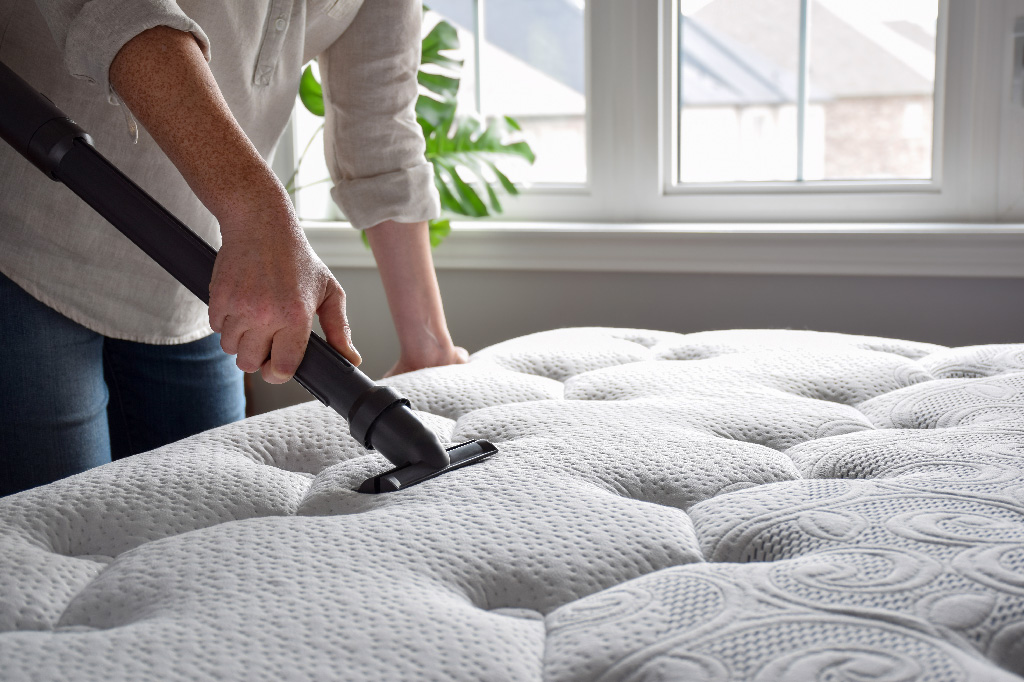
Many people clean their sheets but forget about the mattress itself.
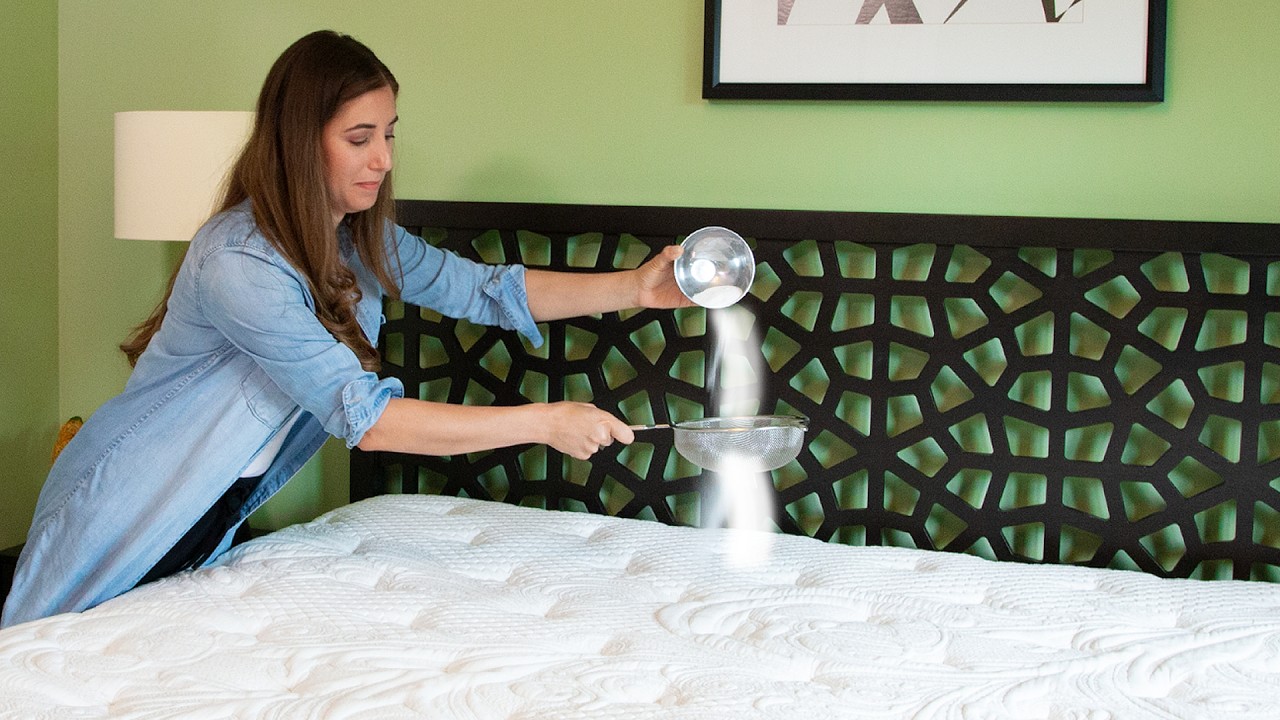
Vacuum the mattress every few months to remove dust, hair, and allergens. Sprinkle baking soda evenly across the surface and let it sit for several hours before vacuuming it away. Baking soda naturally absorbs odors without adding artificial fragrances.
If possible, place the mattress near sunlight for a few hours. Sunlight helps reduce moisture and naturally minimizes odor-causing bacteria.
Replacing an old mattress that has absorbed years of sweat and moisture may also improve your bedroom’s freshness.
Keep Dirty Laundry Out of the Bedroom
Dirty clothes are among the biggest causes of unpleasant bedroom smells.
Sweaty clothes, damp towels, gym wear, and socks release bacteria that quickly create strong odors. Instead of allowing laundry to pile up, use a closed laundry hamper or move dirty clothing directly to your laundry area.
Wash damp towels immediately instead of leaving them on chairs or the floor.
Keeping dirty laundry under control instantly improves the overall smell of your bedroom.
Remove Dust From Hidden Areas
Dust doesn’t just affect allergies. It can also trap odors over time.
Vacuum carpets, rugs, and under the bed regularly. Wipe ceiling fans, shelves, window sills, and furniture with a microfiber cloth.
Pay special attention to curtains, upholstered chairs, and fabric headboards since these materials absorb odors easily.
A cleaner room naturally smells fresher because fewer particles remain to trap moisture and bacteria.
Eliminate Moisture and Mold
Moisture is one of the most common reasons bedrooms develop musty smells.
Check around windows, walls, ceilings, and closets for signs of water damage or mold. Even small leaks can create persistent odors.
Use a dehumidifier if your bedroom feels damp, especially during humid seasons. Keeping indoor humidity between forty and sixty percent helps prevent mold growth.
If mold is extensive, professional removal may be necessary to ensure both your home’s safety and indoor air quality.
Clean Carpets and Rugs

Carpets absorb dust, pet hair, spilled drinks, and everyday odors.
Vacuum at least once every week and perform a deep carpet cleaning every few months. Steam cleaning removes dirt trapped beneath the surface while reducing odor-causing bacteria.
Small rugs should be washed according to their care labels and dried completely before being returned to the bedroom.
If your carpet has absorbed years of odors, professional cleaning can make a noticeable difference.
Freshen Curtains and Upholstered Furniture
Fabric surfaces quietly collect smells over time.
Curtains absorb cooking odors, smoke, outdoor pollution, and dust. Wash or dry clean them regularly depending on the fabric.
Fabric chairs, benches, and headboards should be vacuumed and cleaned according to the manufacturer’s recommendations.
Sprinkling baking soda on fabric furniture before vacuuming can help remove lingering odors naturally.
Use Natural Odor Absorbers
Instead of relying only on air fresheners, use products that actually absorb unpleasant smells.
Baking soda works well for mattresses, carpets, and closets.
Activated charcoal effectively absorbs odors from the surrounding air.
Houseplants such as peace lilies, snake plants, and spider plants may improve the overall feel of indoor spaces while adding a natural touch to your bedroom.
Small bowls of coffee grounds or white vinegar can also temporarily absorb certain household odors.
Avoid Artificial Fragrance Overload
Many commercial air fresheners only hide unpleasant smells rather than removing them.
Using too many scented products can create an overwhelming mixture of fragrances while allowing the original odor to remain.
Once you’ve cleaned the source, choose mild natural scents such as lavender, eucalyptus, lemon, or vanilla if you enjoy a lightly scented bedroom.
A clean room should smell fresh because it is clean, not because strong fragrances are masking hidden problems.
Don’t Forget the Trash Bin
A small bedroom trash bin can quickly become a source of bad odors.
Empty it regularly, especially if it contains food wrappers, tissues, or personal hygiene products.
Wash the bin with warm water and mild soap every few weeks to prevent lingering smells.
Using trash bags also makes cleaning easier and keeps odors contained.
Keep Shoes Fresh
Shoes often carry moisture, dirt, and bacteria into the bedroom.
Store footwear in a well-ventilated shoe rack rather than piling shoes inside wardrobes or under the bed.
Allow shoes to dry after wearing them, particularly athletic footwear.
Using baking soda or activated charcoal sachets inside shoes helps reduce unpleasant odors.
Maintain Your Air Conditioner or Fan

If your bedroom has an air conditioner, dirty filters may circulate unpleasant smells throughout the room.
Clean or replace air filters according to the manufacturer’s recommendations.
Ceiling fans also collect dust that spreads around the room whenever they operate.
Regular maintenance keeps your bedroom smelling cleaner while improving indoor air quality.
Create a Weekly Bedroom Cleaning Routine

The easiest way to prevent bad smells is to clean consistently instead of waiting for odors to appear.
A simple weekly routine includes changing bedding, vacuuming floors, dusting furniture, emptying the trash, cleaning mirrors, and opening windows for fresh air.
Monthly tasks can include washing curtains, cleaning under furniture, vacuuming the mattress, and organizing closets.
Small habits prevent odors from becoming long-term problems.
This guide also helps people searching for how to make a bedroom smell fresh naturally, how to remove musty smell from bedroom, why my bedroom smells bad, natural ways to remove bedroom odor, eliminate bedroom smells permanently, and how to keep a bedroom smelling fresh all day.
Frequently Asked Questions
How do I remove bad smells from my bedroom naturally?
Open windows daily, wash bedding regularly, vacuum carpets, clean the mattress with baking soda, remove dirty laundry promptly, and improve ventilation to eliminate odors naturally.
Why does my bedroom smell musty even after cleaning?
A musty smell usually indicates excess moisture, hidden mold, poor ventilation, or damp furniture. Check walls, windows, carpets, and closets for moisture problems.
Can baking soda remove bedroom odors?
Yes. Baking soda is an effective natural odor absorber that works well on mattresses, carpets, rugs, shoes, and fabric furniture.
How often should I wash my bedding?
Bedsheets and pillowcases should ideally be washed every week. Blankets, comforters, and pillows should be cleaned according to their care instructions.
What is the fastest way to freshen a bedroom?
Open the windows, remove dirty laundry, empty the trash, wash bedding, vacuum the floor, and use baking soda on odor-prone surfaces. These simple steps can noticeably improve freshness within a few hours.
Conclusion
Learning how to remove bad smells from your bedroom starts with identifying the real cause instead of masking odors with artificial fragrances. Fresh air, regular cleaning, dry bedding, proper ventilation, and consistent maintenance work together to create a healthier and more inviting sleeping environment.
A bedroom that smells fresh is usually one that is clean, dry, and well cared for. By following these simple habits throughout the week, you can prevent unpleasant odors from returning and enjoy a comfortable space that supports better relaxation and sleep every day.

Leave a Reply