
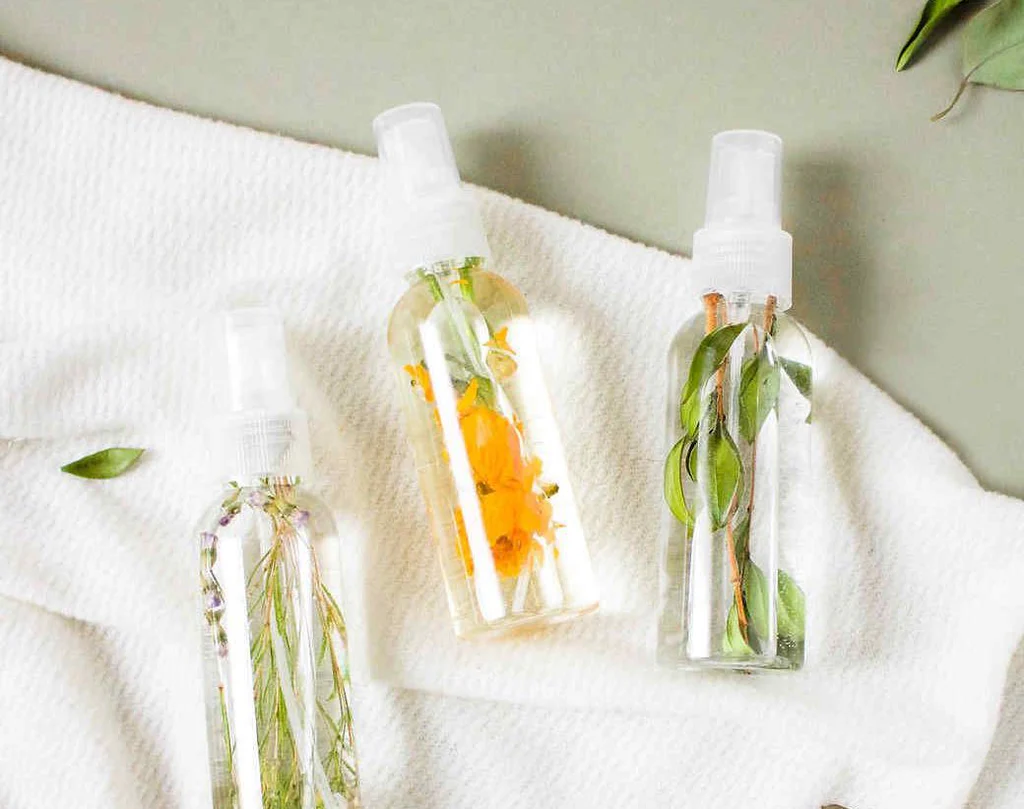
A fresh-smelling home creates a welcoming atmosphere, improves comfort, and helps every room feel cleaner. While many commercial air fresheners promise long-lasting fragrance, they often contain synthetic chemicals that may irritate sensitive individuals or simply mask unpleasant odors instead of removing them. Choosing natural alternatives allows you to enjoy a pleasant indoor environment without filling your living space with unnecessary artificial ingredients.
The good news is that natural air fresheners are affordable, effective, and surprisingly easy to use. Many of them are already available in your kitchen or garden. From citrus fruits and essential oils to baking soda and indoor plants, these simple solutions help eliminate odors while adding a gentle, refreshing scent to your home. Every room has different needs, so selecting the right natural air freshener makes a noticeable difference.
This guide explores the best natural air fresheners for every room, explains how they work, and shares practical ideas to keep your home smelling fresh throughout the year.
Why Choose Natural Air Fresheners?
Natural air fresheners do much more than create a pleasant scent. Many ingredients actively absorb odors instead of simply covering them up. They also reduce your exposure to synthetic fragrances, aerosol propellants, and harsh chemicals commonly found in conventional sprays.
Some of the biggest benefits include:
- Safer for children and pets when used properly.
- Better for people with allergies or fragrance sensitivity.
- Eco-friendly and biodegradable.
- Budget-friendly compared to store-bought products.
- Easy to customize with your favorite natural scents.
- Free from artificial dyes and unnecessary additives.
Natural options also encourage better indoor air habits such as regular ventilation, moisture control, and routine cleaning, all of which contribute to healthier living spaces.
Understanding the Difference Between Removing and Masking Odors
Many commercial products simply add a stronger fragrance to overpower unpleasant smells. Natural air fresheners often work differently by neutralizing odor molecules or absorbing excess moisture that allows odors to develop.
Ingredients such as baking soda, activated charcoal, vinegar, and certain houseplants target the source of bad smells rather than hiding them. Combining these natural odor absorbers with pleasant botanical scents creates a fresher and cleaner indoor environment.
Best Natural Air Fresheners for the Living Room
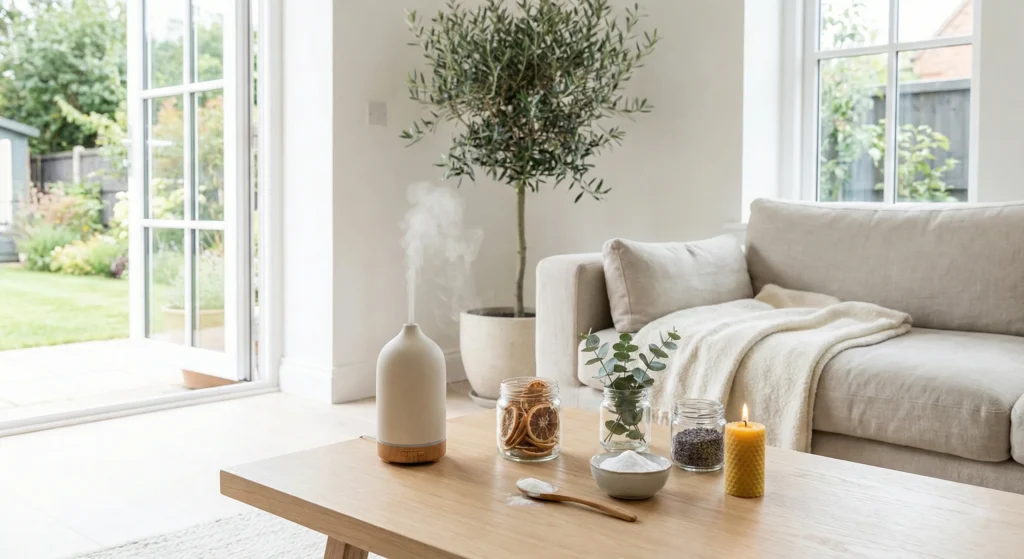
The living room is where family members gather and guests spend most of their time. Maintaining a clean, inviting scent helps create a relaxing atmosphere.
Citrus Simmer Pot
Place slices of orange, lemon, cinnamon sticks, cloves, and fresh rosemary into a saucepan filled with water. Simmer gently over low heat to release a warm, refreshing aroma that spreads naturally throughout the home.
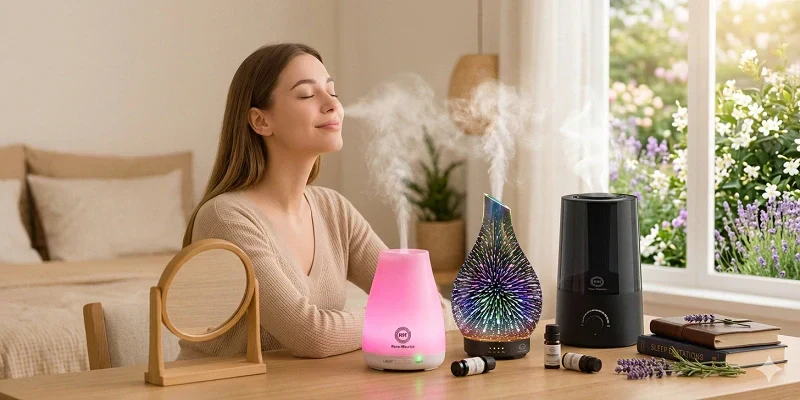
Essential Oil Diffuser
Diffusers gently disperse essential oils into the air without using artificial chemicals. Popular combinations include:
- Lemon and peppermint
- Lavender and orange
- Eucalyptus and tea tree
- Bergamot and grapefruit
Use only pure essential oils and follow recommended dilution guidelines.
Indoor Plants
Several indoor plants naturally freshen the air while adding beauty to your décor.
Excellent choices include:
- Peace Lily
- Spider Plant
- Areca Palm
- Boston Fern
- Snake Plant
Healthy plants also improve humidity balance and create a calming environment.
Natural Air Fresheners for the Kitchen
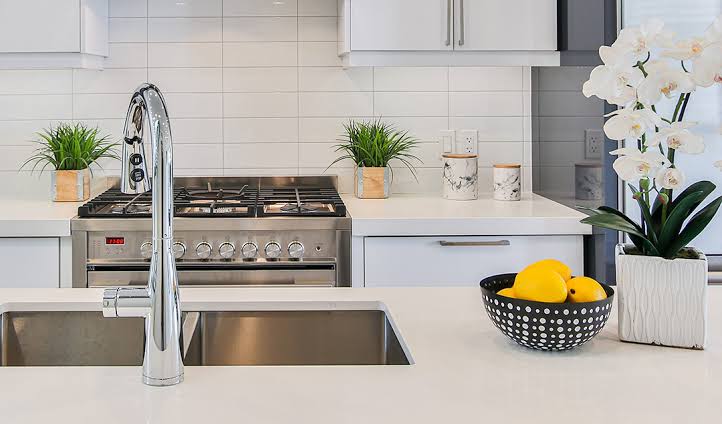
The kitchen often develops strong odors from cooking, garbage, and food waste. Instead of masking smells, focus on eliminating their source.
Baking Soda
A bowl of baking soda placed near the sink, refrigerator, or trash can absorbs unwanted odors naturally. Replace it every month for maximum effectiveness.
Fresh Lemon
Cut a lemon in half and place it near the sink or garbage disposal. The natural citrus oils leave behind a clean, refreshing fragrance while reducing unpleasant smells.
Coffee Grounds
Dry used coffee grounds absorb lingering cooking odors surprisingly well. Place them in an open bowl near odor-prone areas for a few days.
Herb Bouquets
Fresh basil, mint, rosemary, or thyme provide subtle natural fragrance while also serving as convenient cooking ingredients.
Freshening the Bathroom Naturally
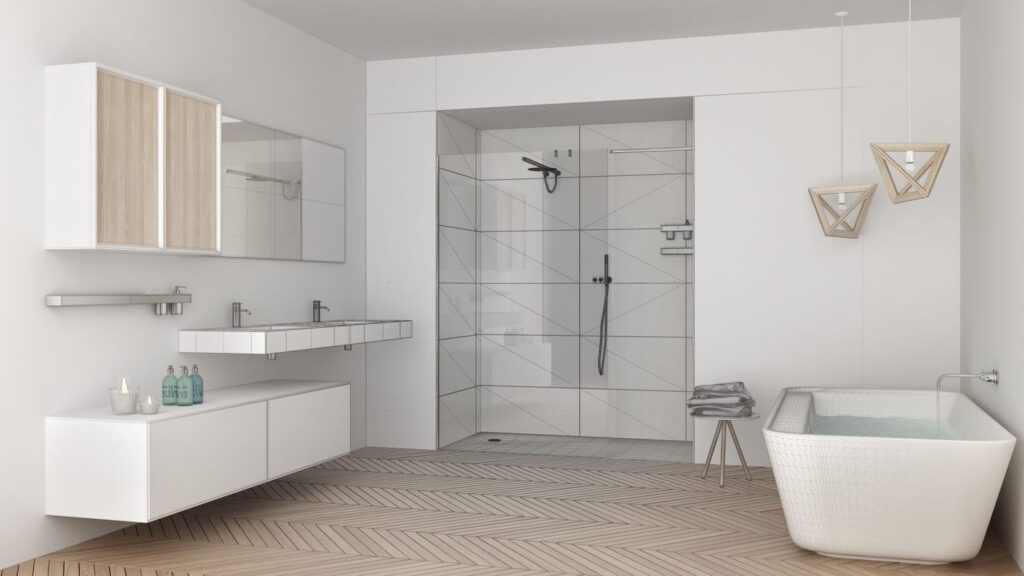
Bathrooms require moisture control as much as pleasant fragrance.
White Vinegar
A small bowl of white vinegar absorbs stubborn odors naturally. Although vinegar has its own scent initially, it disappears after neutralizing unpleasant smells.
DIY Essential Oil Spray
Mix distilled water with witch hazel and several drops of lavender, eucalyptus, or lemon essential oil inside a spray bottle. Shake before each use and lightly mist the room.
Activated Charcoal
Activated charcoal effectively absorbs moisture, mold odors, and musty smells without adding fragrance. It works especially well in smaller bathrooms with limited ventilation.
Natural Air Fresheners for the Bedroom
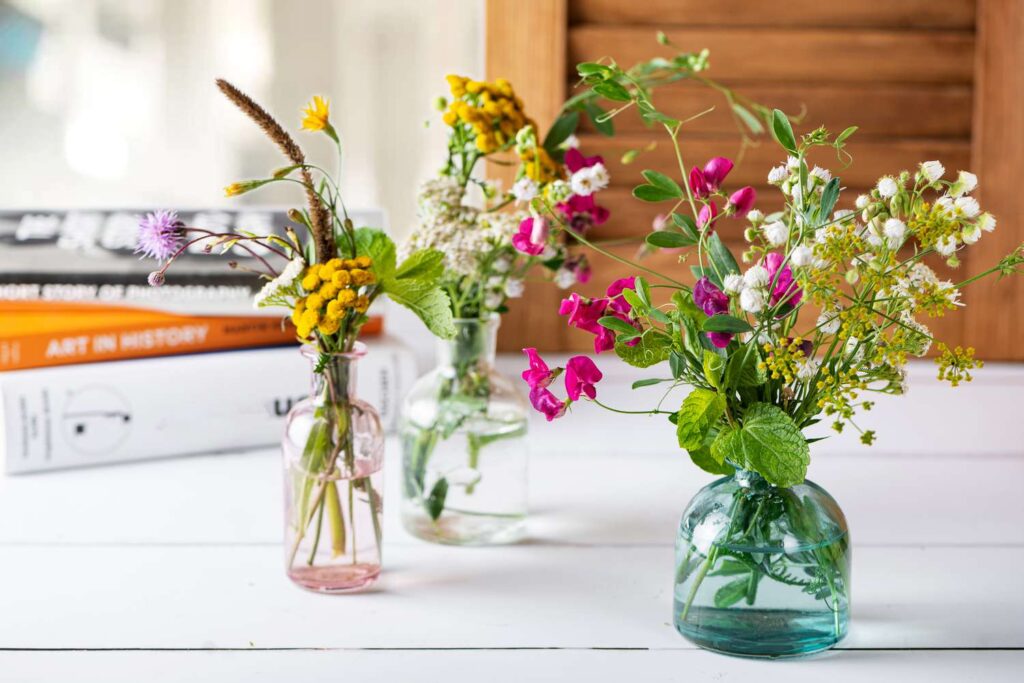
Bedrooms should promote relaxation rather than overwhelming fragrance.
Lavender Sachets
Dried lavender flowers placed inside cotton bags keep closets, drawers, and bedrooms smelling naturally fresh while creating a calming atmosphere.
Cedar Wood Blocks
Natural cedar absorbs moisture and leaves behind a pleasant woody scent. It also helps discourage insects inside wardrobes.
Chamomile and Lavender Pillow Mist
A gentle pillow spray made with distilled water and lavender hydrosol creates a relaxing bedtime environment without overpowering the room.
Keeping Children’s Rooms Fresh Naturally

Children benefit from simple fragrance solutions that avoid unnecessary chemicals.
Regular cleaning, fresh bedding, open windows, washable rugs, and stuffed toy maintenance contribute more to freshness than heavily scented products.
A bowl of baking soda hidden on a shelf, along with proper ventilation and mild citrus room sprays, usually provides excellent results.
Avoid using strong essential oils around infants and always research child-safe options before use.
Best Natural Air Fresheners for Closets
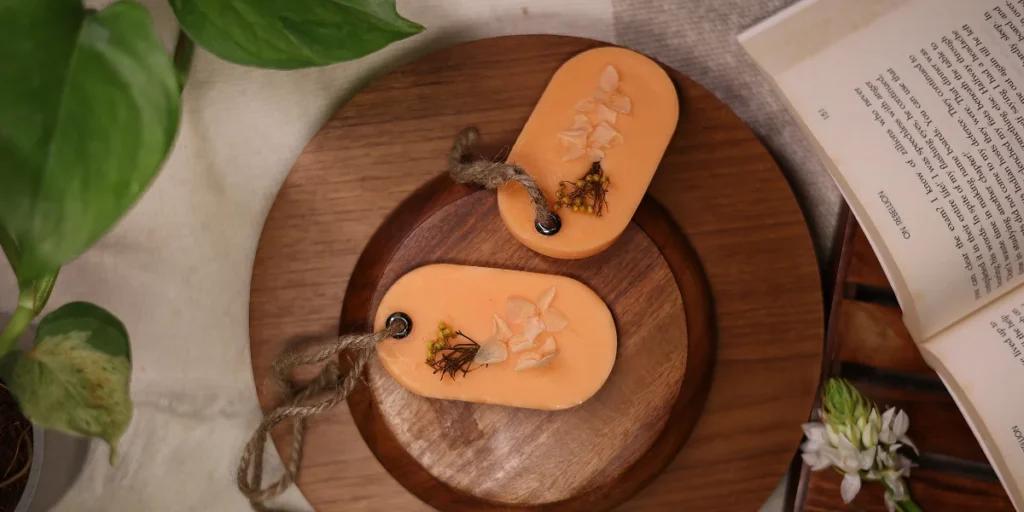
Closed storage spaces easily develop stale odors.
Natural solutions include:
- Cedar blocks
- Lavender sachets
- Activated charcoal bags
- Dried rose petals
- Baking soda containers
These simple options absorb moisture while maintaining a pleasant natural scent.
Freshening Your Home Office
A productive workspace benefits from fresh air without distracting fragrances.
Good options include:
- Lemon essential oil diffuser
- Small snake plant
- Fresh eucalyptus stems
- Open windows whenever weather permits
- Activated charcoal near enclosed cabinets
Refreshing the workspace regularly can improve comfort during long work sessions.
DIY Natural Air Freshener Recipes
Making your own natural air fresheners takes only a few minutes.
Citrus Spray
Ingredients:
- 1 cup distilled water
- 2 tablespoons witch hazel
- 15 drops lemon essential oil
- 10 drops orange essential oil
Shake before every use and spray lightly into the air.
Herbal Room Spray
Ingredients:
- Distilled water
- Lavender essential oil
- Peppermint essential oil
- Rosemary essential oil
This combination provides a clean and refreshing scent suitable for most rooms.
Baking Soda Carpet Freshener
Mix baking soda with a few drops of lavender essential oil. Sprinkle lightly over carpets, leave for 20 minutes, then vacuum thoroughly.
Natural Ingredients That Eliminate Odors
Several household ingredients work exceptionally well as natural odor absorbers.
Baking Soda
Neutralizes acidic and alkaline odor molecules.
Activated Charcoal
Absorbs moisture, smoke odors, and stale air.
White Vinegar
Neutralizes strong cooking and bathroom odors.
Lemon
Provides antibacterial properties while leaving behind a clean citrus scent.
Coffee Grounds
Excellent for absorbing food-related odors.
Cinnamon
Creates a warm, inviting fragrance during cooler months.
Fresh Herbs
Mint, rosemary, basil, and thyme naturally perfume indoor spaces.
Tips to Keep Every Room Smelling Fresh
Natural air fresheners work best alongside good cleaning habits.
Open windows regularly to improve ventilation whenever weather allows. Wash soft furnishings like curtains, cushion covers, and blankets frequently since fabrics trap odors over time. Empty trash bins before odors become noticeable, and clean them regularly with mild soap and water. Keep humidity under control to prevent mold and mildew, which are common sources of unpleasant smells. Vacuum carpets and upholstered furniture often to remove dust, pet hair, and trapped particles. Address spills quickly, especially on rugs and furniture, to prevent lingering odors. Finally, avoid overcrowding rooms with too many scented products, as a light, natural fragrance usually feels cleaner and more comfortable.
Common Mistakes to Avoid
Many people unknowingly reduce the effectiveness of natural air fresheners.
Avoid spraying essential oils directly onto delicate fabrics without testing first. Never ignore the source of unpleasant odors, as fresh scents alone cannot solve problems caused by mold, spoiled food, or poor ventilation. Using excessive amounts of essential oils can create overpowering fragrances and may irritate sensitive individuals. Remember to replace odor absorbers like baking soda and activated charcoal regularly, since they lose effectiveness over time. Choosing quality ingredients and maintaining a clean home will always produce better results than relying on fragrance alone.
Frequently Asked Questions
Are natural air fresheners better than commercial sprays?
Natural air fresheners often absorb or neutralize odors instead of simply masking them. They also avoid many synthetic fragrances and unnecessary chemicals commonly found in aerosol products.
Which natural ingredient removes odors the fastest?
Baking soda, activated charcoal, and white vinegar are among the most effective natural odor neutralizers because they absorb or break down odor-causing compounds.
Are essential oils safe for every room?
Most essential oils can be used safely when properly diluted, but some may not be suitable around pets, infants, or individuals with respiratory sensitivities. Always follow safety recommendations for each oil.
How long do homemade natural air fresheners last?
Most DIY room sprays remain effective for two to four weeks when stored in a cool, dark place. Dry sachets and charcoal bags typically last one to three months before needing replacement.
What is the easiest natural air freshener for beginners?
A bowl of baking soda, fresh citrus slices, or a simple lemon and lavender room spray are among the easiest and most affordable natural air fresheners to start with.
Conclusion
Finding the best natural air fresheners for every room does not require expensive products or artificial fragrances. Simple ingredients like baking soda, citrus fruits, herbs, activated charcoal, essential oils, and indoor plants work together to eliminate unwanted odors while creating a naturally pleasant home environment. By choosing room-specific solutions and maintaining regular cleaning habits, you can enjoy fresher indoor air throughout the year without relying on chemical-heavy sprays. Small changes in your daily routine can make every corner of your home feel cleaner, healthier, and more inviting for both your family and your guests.

Leave a Reply