

Keeping your closet fresh isn’t just about making it smell pleasant. A clean, fresh-smelling wardrobe protects your clothes, prevents unwanted odors, reduces moisture, and creates a more enjoyable daily routine. Many people spend money on expensive air fresheners or scented products, only to discover that the freshness disappears within days because the actual source of the odor remains.
Fortunately, creating a fresh closet doesn’t require costly products or complicated cleaning routines. A few smart habits combined with natural odor absorbers and proper organization can completely transform your wardrobe space.
Whether you’re dealing with musty smells, seasonal clothing storage, dampness, or simply want your favorite outfits to smell freshly washed every day, these easy closet freshening tips actually work. Most of them use affordable household items, require very little effort, and provide long-lasting results.
Why Do Closets Start Smelling Musty?

Before solving the problem, it helps to understand what causes unpleasant closet odors.
Closets often become stale because air circulation is limited. Moisture from humid weather, slightly damp clothing, dirty shoes, laundry baskets, and dust all contribute to trapped odors. Over time, fabrics absorb these smells, making even freshly washed clothes lose their freshness.
Common reasons include:
- Poor ventilation
- Damp clothes stored too early
- Dirty shoes inside the closet
- High humidity
- Dust accumulation
- Mold and mildew growth
- Overcrowded shelves
Identifying the source makes it much easier to keep your closet smelling clean for months instead of just a few days.
Start with a Deep Closet Cleaning
The most effective closet freshening tip is surprisingly simple: clean it thoroughly before adding any fragrance.
Empty your closet completely and remove every item from shelves, drawers, and hanging rods. Vacuum dust, dirt, and lint from every corner. Pay extra attention to baseboards, shelf edges, and corners where dust tends to collect.
Next, wipe every surface using warm water mixed with a small amount of mild soap. If your closet has developed a musty smell, use equal parts white vinegar and water to naturally eliminate odor-causing bacteria.
Allow the closet to dry completely before putting clothes back inside. Even a small amount of trapped moisture can cause mildew to return.
Never Store Damp Clothes
One of the biggest mistakes people make is hanging clothes before they’re completely dry.
Even tiny amounts of moisture trapped inside fabric create the perfect environment for mildew and unpleasant odors. This is especially common with towels, denim, sweaters, and thicker fabrics.
Always let freshly washed clothes air dry completely before folding or hanging them inside your closet.
If you’re unsure, leave clothes out for an extra hour after drying.
This single habit can dramatically improve closet freshness.
Improve Air Circulation
Fresh air naturally removes trapped odors and excess moisture.
If your closet has doors, leave them open for a while every few days. Opening bedroom windows at the same time helps create airflow that refreshes the entire wardrobe.
For walk-in closets, consider using a small fan occasionally to improve circulation.
Avoid packing clothing too tightly together. Leaving a little space between hangers allows air to move freely, reducing stale smells.
Use Natural Odor Absorbers
Instead of masking unpleasant smells with artificial fragrances, absorb the odors first.
Baking soda is one of the best natural odor eliminators. Place an open container or breathable pouch on a closet shelf. Replace it every two to three months.
Activated charcoal also works exceptionally well by absorbing moisture and odor molecules from the air.
Other natural options include:
- Baking soda
- Activated charcoal bags
- Coffee grounds
- White vinegar placed temporarily during cleaning
- Unscented moisture absorbers
These inexpensive solutions often outperform heavily scented sprays.
Freshen Clothes with Cedar Wood
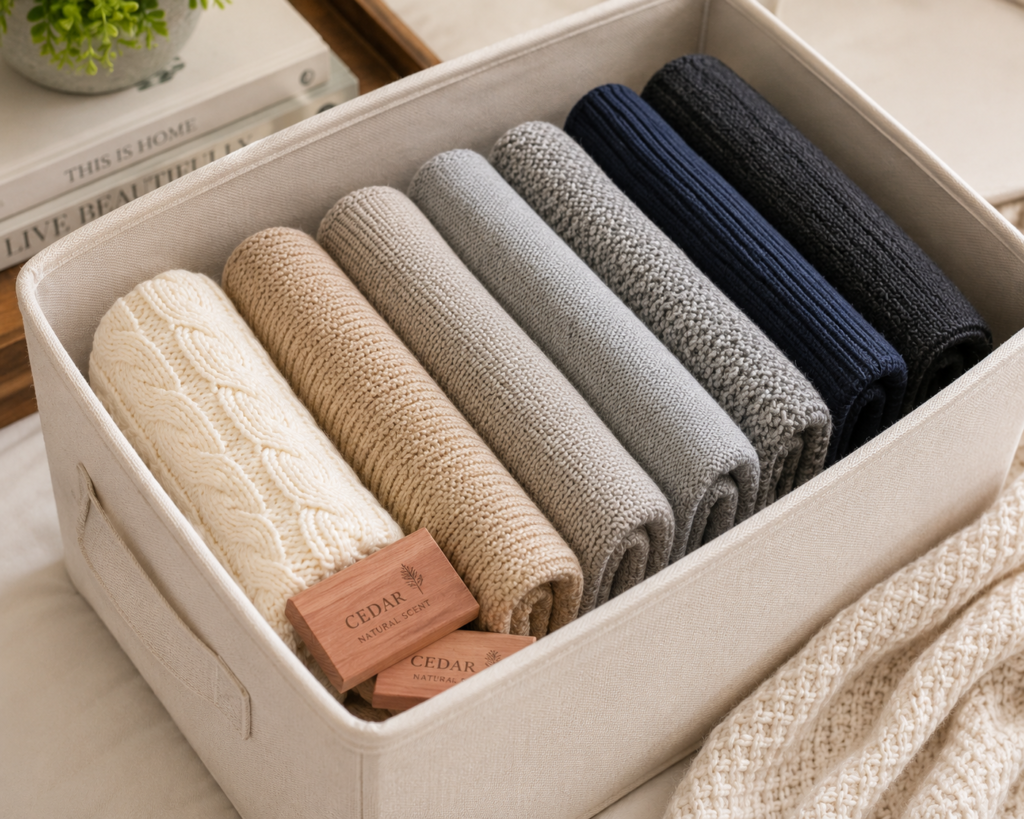
Cedar has been used for generations to keep closets smelling pleasant.
Cedar blocks, cedar rings, or cedar balls naturally repel insects while adding a subtle woody scent. Unlike chemical fresheners, cedar doesn’t overpower clothing with artificial fragrance.
Over time the scent fades, but lightly sanding the cedar surface restores its natural oils.
Many people also combine cedar with lavender sachets for an even fresher wardrobe.
Add Lavender Sachets
Lavender is one of the safest and most effective natural closet fresheners.
Small fabric sachets filled with dried lavender flowers release a gentle fragrance that lasts for months. Besides smelling wonderful, lavender also helps discourage moths from damaging natural fibers.
Place sachets:
- Inside drawers
- Between folded sweaters
- On closet shelves
- Near seasonal clothing
- In storage bins
Replace or refill them once the fragrance begins fading.
Keep Dirty Shoes Separate
Shoes are often the hidden source of closet odors.
Even clean-looking shoes collect sweat, bacteria, and outdoor dirt that slowly spreads unpleasant smells throughout the closet.
Store shoes in breathable shoe racks instead of piling them together.
Allow athletic shoes to air out before putting them away.
Using deodorizing inserts or sprinkling baking soda inside shoes overnight can significantly reduce odor buildup.
Organize Your Closet Regularly
A cluttered closet traps dust, limits airflow, and makes odors linger longer.
Decluttering every season helps maintain freshness while making daily outfit selection much easier.
Donate clothes you no longer wear, fold seasonal items into storage containers, and keep shelves organized.
When clothes have room to breathe, they stay fresher much longer.
Control Humidity
Humidity is one of the biggest causes of musty closets.
If you live in a humid climate, excess moisture can quickly create mold, mildew, and stale odors.
Simple ways to reduce humidity include:
- Using moisture absorber packs
- Keeping closet doors open occasionally
- Running a dehumidifier nearby
- Avoiding wet laundry indoors
- Fixing water leaks promptly
Maintaining lower humidity protects both your clothing and your closet.
Make a Natural DIY Closet Freshener
Creating your own closet freshener is simple and inexpensive.
Mix dried lavender, rose petals, cinnamon sticks, cloves, and a few drops of your favorite essential oil inside a breathable cotton pouch.
Popular essential oils include:
- Lavender
- Lemon
- Cedarwood
- Eucalyptus
- Orange
- Peppermint
Refresh the pouch every few weeks by adding another drop or two of essential oil.
This gives your wardrobe a light, pleasant fragrance without harsh chemicals.
Wash Seasonal Clothes Before Storage
Many people store winter jackets or summer clothing immediately after use.
Unfortunately, invisible sweat, body oils, perfume residue, and dust remain trapped in the fabric for months.
Always wash or dry clean seasonal clothing before packing it away.
Store garments in breathable cotton bags instead of airtight plastic whenever possible.
Your clothes will stay fresher and last much longer.
Don’t Forget Closet Floors
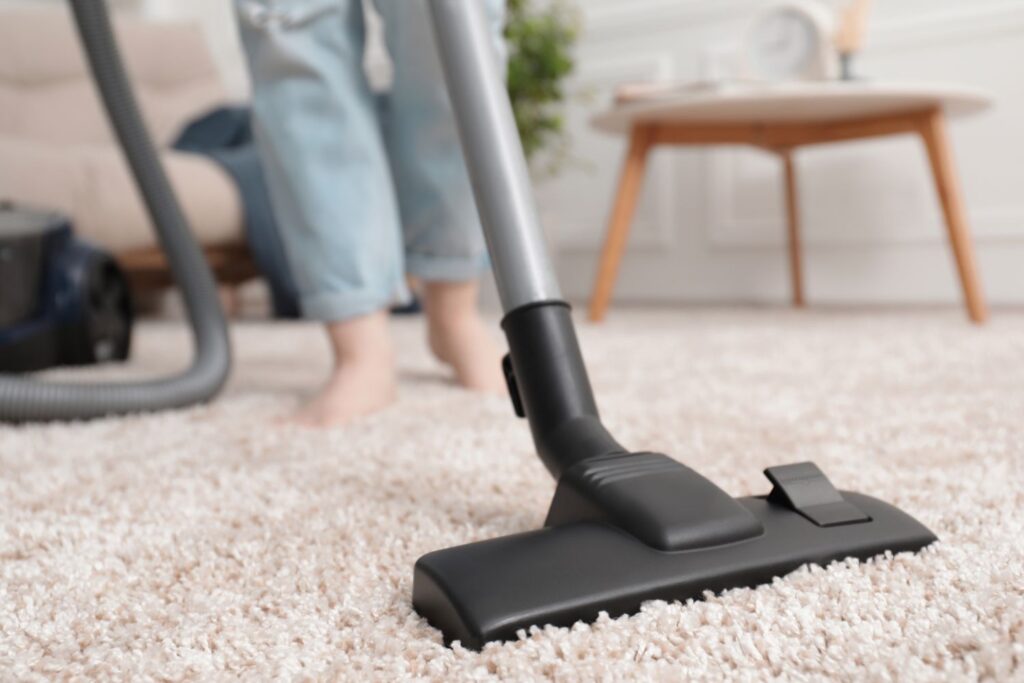
Closet floors collect surprising amounts of dust, lint, pet hair, and dirt.
Vacuum at least once every month.
If your closet has carpet, sprinkle baking soda over it, leave it for 20 minutes, then vacuum thoroughly to remove trapped odors.
Hardwood or tile floors should be wiped regularly with a gentle cleaner to prevent dust buildup.
A clean floor contributes significantly to an overall fresh-smelling closet.
Choose Breathable Storage Containers
Plastic bins are convenient, but they can trap moisture if clothes aren’t completely dry before storage.
Whenever possible, use:
- Cotton garment bags
- Linen storage bags
- Breathable fabric bins
- Canvas organizers
These materials allow air circulation while protecting clothing from dust.
If using plastic containers, add silica gel packets or moisture absorbers inside.
Rotate Clothes Throughout the Year
Clothes that remain untouched for months often develop stale odors simply because air doesn’t circulate around them.
Every few weeks, move hanging clothes slightly, rotate folded garments, and open storage containers briefly.
This simple habit keeps fabrics smelling cleaner and helps prevent permanent musty odors.
Avoid Heavy Artificial Air Fresheners
Many commercial closet sprays simply cover unpleasant smells instead of removing them.
Some heavily scented products can even transfer fragrance onto clothing, which may irritate sensitive skin.
Natural freshening methods provide longer-lasting results because they eliminate the source of odors rather than masking them.
If you enjoy fragrance, choose mild essential oils instead of overpowering synthetic sprays.
Create a Weekly Closet Freshening Routine
Keeping your closet fresh becomes much easier when maintenance is consistent.
A simple weekly routine includes:
- Leave closet doors open for 30 minutes.
- Remove any dirty laundry immediately.
- Vacuum visible dust.
- Check moisture absorber packs.
- Straighten clothing for better airflow.
- Air out shoes before storing them.
- Replace natural fresheners when needed.
This routine takes less than ten minutes but keeps your wardrobe smelling clean all year.
Common Closet Freshening Mistakes
Many people unknowingly make habits that cause odors to return quickly.
Some of the most common mistakes include:
- Hanging damp clothes
- Ignoring humidity
- Overcrowding the closet
- Forgetting to clean shelves
- Using only air freshener sprays
- Leaving dirty shoes inside
- Storing unwashed seasonal clothes
Avoiding these mistakes is often more effective than buying expensive odor-control products.
Frequently Asked Questions
How often should I clean my closet?
A deep cleaning every three to four months is ideal, while light dusting and organizing should be done weekly or every other week.
What naturally keeps a closet smelling fresh?
Baking soda, cedar wood, activated charcoal, lavender sachets, and proper airflow are among the most effective natural solutions.
Why do freshly washed clothes smell bad in the closet?
This usually happens because the closet contains trapped moisture, poor ventilation, dirty shoes, or mildew that transfers odors back onto clean clothing.
Can baking soda remove closet odors?
Yes. Baking soda absorbs unpleasant smells instead of masking them. Replace it every two to three months for the best results.
Are essential oils safe for closets?
Yes, when used sparingly on cotton balls or fabric sachets. Avoid applying essential oils directly onto delicate fabrics because they may cause staining.
Conclusion
A fresh closet isn’t created by expensive sprays or fancy organizers—it’s built through consistent cleaning, good airflow, and smart storage habits. By removing moisture, cleaning regularly, using natural odor absorbers, and avoiding common mistakes like storing damp clothes or overcrowding shelves, you can enjoy a wardrobe that smells clean every day.
The best part is that these easy closet freshening tips actually work because they tackle the root causes of odors rather than simply covering them up. With just a little routine maintenance and a few natural ingredients, your closet can stay fresh, organized, and inviting throughout the year while helping your clothes last longer and feel more pleasant to wear.

Leave a Reply