
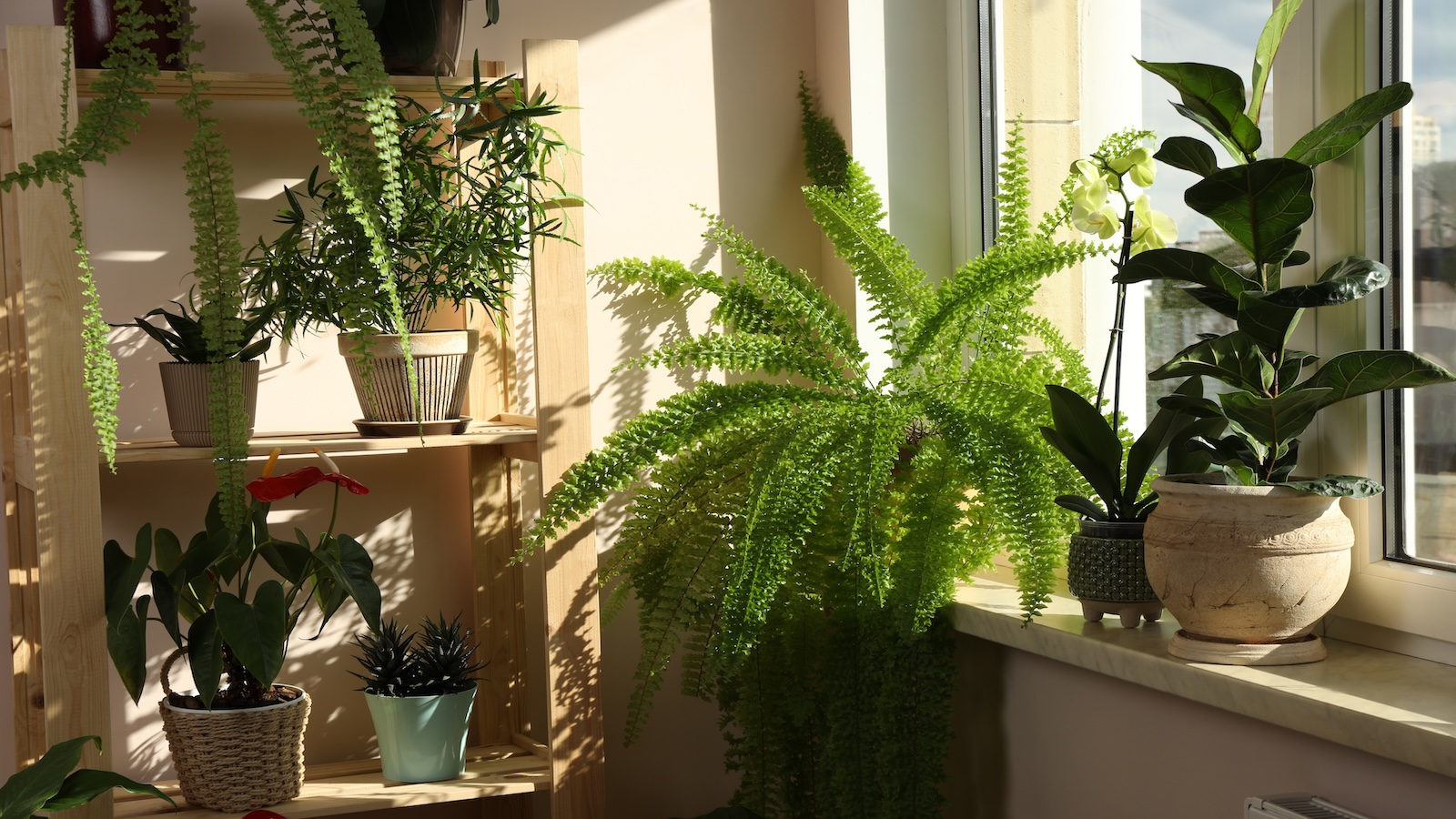
A home feels more inviting when it includes a touch of nature. Indoor plants do much more than decorate shelves or brighten empty corners. They create a calming atmosphere, improve humidity, reduce stress, and make any room feel more alive. Whether you live in a compact apartment or a spacious house, adding greenery is one of the easiest ways to transform your living space.
Many people also believe that indoor plants help freshen the air. While no plant can completely replace proper ventilation or an air purifier, several popular houseplants can contribute to a healthier indoor environment by increasing humidity and removing small amounts of certain airborne compounds under laboratory conditions. Combined with regular cleaning and good airflow, these plants can make your home feel fresher and more relaxing.
In this guide, you’ll discover the best indoor plants that freshen your living space, how to care for them, where to place them, and tips to keep them thriving throughout the year.
Why Indoor Plants Are Great for Your Home
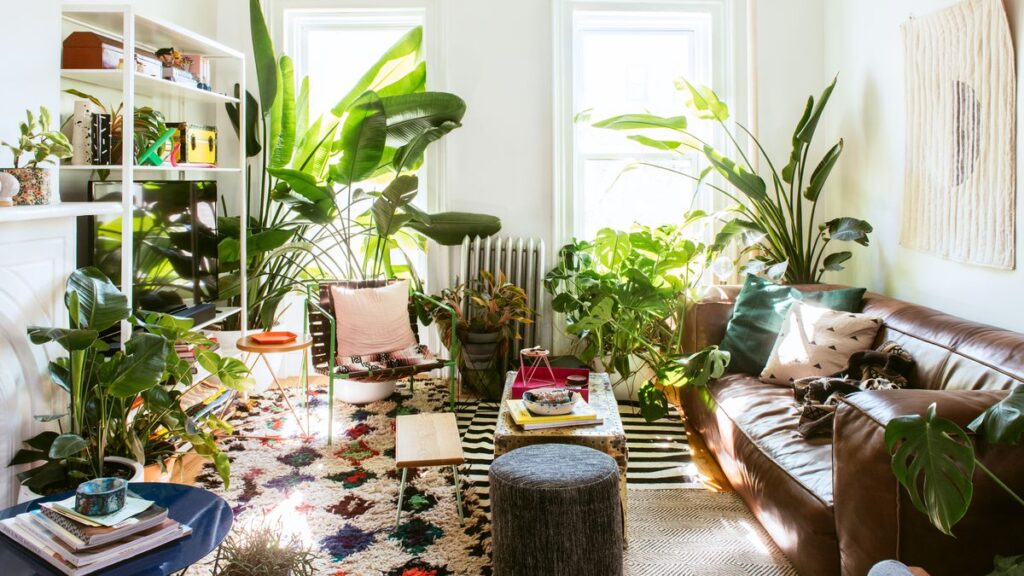
Indoor plants offer benefits that go far beyond their appearance. They introduce natural color, soften modern interiors, and create a peaceful environment that many people appreciate after a busy day.
Some key advantages include:
- Add natural beauty to any room
- Increase indoor humidity during dry seasons
- Create a relaxing and calming atmosphere
- Help reduce everyday stress
- Complement modern and traditional interior styles
- Encourage mindful plant care as a rewarding hobby
When choosing indoor plants, it’s important to consider your home’s lighting, humidity, available space, and the amount of time you can dedicate to maintenance.
Best Indoor Plants That Freshen Your Living Space
Snake Plant
The Snake Plant is one of the easiest houseplants for beginners. Its upright leaves and striking appearance fit almost every interior style.
It tolerates low light, survives occasional missed watering, and requires very little maintenance. Because of its durability, it’s often recommended for bedrooms, offices, and living rooms.
Care Tips
- Bright indirect light is ideal
- Allow soil to dry before watering
- Avoid overwatering
- Thrives in average indoor temperatures
Peace Lily
Peace Lilies are admired for their elegant white flowers and lush green foliage. They thrive in moderate indoor light and appreciate slightly moist soil.
They also increase humidity around them, making them a popular choice for homes with dry indoor air.
Care Tips
- Keep soil lightly moist
- Avoid direct afternoon sunlight
- Wipe leaves regularly to remove dust
- Feed monthly during the growing season
Spider Plant
Spider Plants are classic indoor favorites thanks to their arching green-and-white leaves and fast growth.
They produce small baby plants that can easily be propagated, making them ideal for expanding your indoor garden without extra cost.
Care Tips
- Prefers bright indirect sunlight
- Water when the top inch of soil feels dry
- Use well-draining soil
- Remove brown leaf tips if needed
Areca Palm
If you want a tropical feel indoors, the Areca Palm is an excellent option. Its feathery leaves add elegance while naturally increasing indoor humidity.
It works beautifully in spacious living rooms, hallways, or near large windows.
Care Tips
- Bright filtered sunlight
- Keep soil evenly moist
- Mist leaves occasionally
- Avoid cold drafts
Boston Fern
Boston Ferns create lush greenery that instantly makes interiors feel fresh and vibrant.
They enjoy humid environments, making them perfect for bathrooms or kitchens with adequate natural light.
Care Tips
- Maintain consistent moisture
- Avoid letting soil dry completely
- Provide indirect sunlight
- Increase humidity during winter
Aloe Vera
Aloe Vera combines beauty with practicality. Besides being attractive, the gel inside its leaves has long been used for minor skin care purposes.
It requires minimal watering and loves sunny windowsills.
Care Tips
- Bright sunlight
- Water sparingly
- Use cactus or succulent soil
- Ensure proper drainage
Rubber Plant
Rubber Plants feature large glossy leaves that make a bold statement indoors.
They grow well in medium to bright light and can eventually become impressive indoor trees when properly maintained.
Care Tips
- Bright indirect light
- Moderate watering
- Rotate the pot regularly
- Clean leaves to maintain shine
Pothos
Pothos is among the most forgiving indoor plants available. It grows quickly and adapts well to different lighting conditions.
Its trailing vines look beautiful on shelves, hanging baskets, and bookcases.
Care Tips
- Low to bright indirect light
- Water after soil partially dries
- Trim vines to encourage fuller growth
- Easy to propagate in water
ZZ Plant
The ZZ Plant has become increasingly popular because it thrives even when neglected.
Its thick stems and glossy leaves store moisture, making it ideal for busy homeowners or frequent travelers.
Care Tips
- Low to medium light
- Water infrequently
- Avoid soggy soil
- Dust leaves occasionally
Chinese Evergreen
Chinese Evergreens come in many colorful varieties featuring shades of green, silver, pink, and red.
They tolerate lower light better than many other houseplants and require relatively little care.
Care Tips
- Medium or low light
- Water when soil begins drying
- Keep away from cold temperatures
- Fertilize lightly during spring and summer
Choosing the Right Plant for Every Room
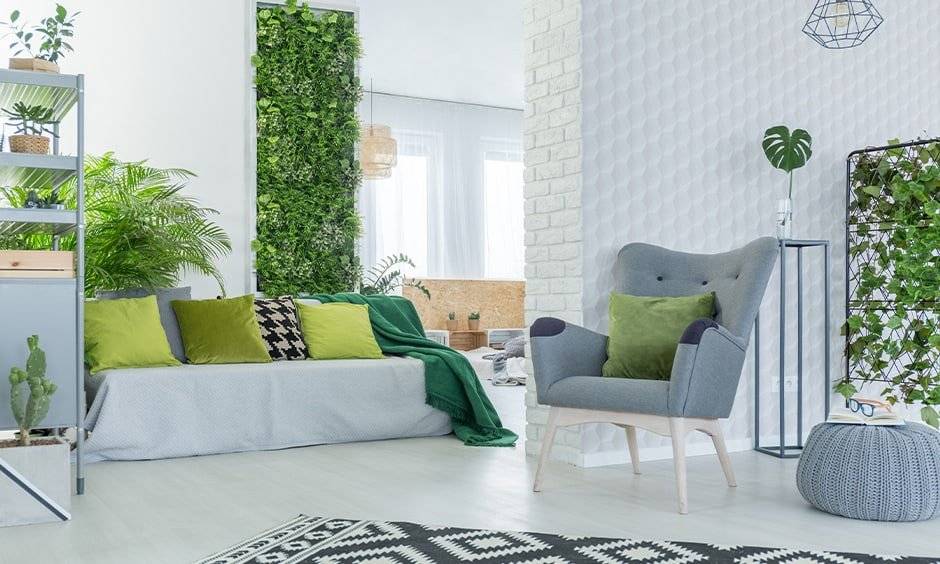
Different areas of your home have unique lighting and humidity conditions. Matching plants to each room helps them stay healthy.
Living Room
Choose larger statement plants like:
- Areca Palm
- Rubber Plant
- Snake Plant
Bedroom
Low-maintenance plants work well because bedrooms often receive moderate light.
Good options include:
- Snake Plant
- Peace Lily
- ZZ Plant
Kitchen
Kitchens usually have moderate humidity, making them suitable for:
- Aloe Vera
- Spider Plant
- Pothos
Bathroom
Bathrooms with windows are excellent for moisture-loving plants.
Ideal choices include:
- Boston Fern
- Peace Lily
- Pothos
Home Office
Plants in workspaces can create a more pleasant environment.
Recommended choices:
- ZZ Plant
- Snake Plant
- Chinese Evergreen
Indoor Plant Care Tips for Long-Term Success
Healthy plants depend more on proper care than expensive fertilizers or decorative pots.
Follow these practical tips:
Water Carefully
Overwatering is the most common reason indoor plants die. Always check the soil before watering instead of following a strict schedule.
Provide Enough Light
Observe your home’s natural light throughout the day. Position each plant according to its lighting preference.
Use Proper Drainage
Choose pots with drainage holes to prevent root rot.
Clean the Leaves
Dust blocks sunlight from reaching leaves. Gently wipe foliage every few weeks with a soft damp cloth.
Rotate Plants
Turn pots slightly every week so plants grow evenly instead of leaning toward windows.
Repot When Necessary
Roots eventually outgrow containers. Repot every one to three years depending on growth rate.
Common Mistakes to Avoid
Even experienced plant owners occasionally make mistakes. Avoid these common problems:
- Watering too frequently
- Placing shade-loving plants in direct sunlight
- Ignoring drainage
- Using oversized pots
- Forgetting seasonal watering adjustments
- Overfertilizing during winter
- Allowing pests to spread unnoticed
Regular observation helps identify issues before they become serious.
Pet-Friendly Indoor Plants
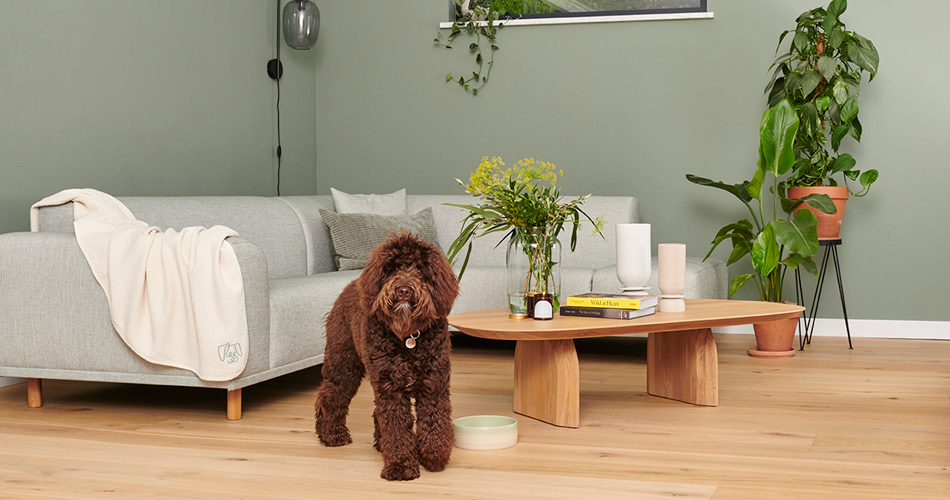
If you have cats or dogs, plant safety should always be a priority.
Safer choices include:
- Spider Plant
- Boston Fern
- Areca Palm
Some popular houseplants, including Peace Lily, Snake Plant, Pothos, ZZ Plant, and Aloe Vera, can be toxic to pets if chewed. Keep them out of reach or choose pet-safe alternatives. If you suspect your pet has eaten a toxic plant, contact your veterinarian promptly.
How Indoor Plants Complement Your Interior Design
Indoor plants naturally fit almost every decorating style.
Minimalist homes benefit from structured plants like Snake Plants and Rubber Plants.
Scandinavian interiors pair beautifully with Pothos and Peace Lilies.
Bohemian spaces look richer with hanging Spider Plants and Boston Ferns.
Modern homes often combine large Areca Palms with neutral furniture to create a fresh, balanced atmosphere.
Mixing different plant heights, textures, and leaf shapes creates visual interest without making rooms feel crowded.
Frequently Asked Questions
1. Which indoor plant is easiest for beginners?
Snake Plant, ZZ Plant, and Pothos are among the easiest indoor plants because they tolerate occasional neglect and adapt well to different lighting conditions.
2. Do indoor plants really improve air quality?
Research has shown that some houseplants can remove small amounts of certain airborne compounds under controlled laboratory conditions. In everyday homes, their greatest benefits are adding humidity, creating a calming environment, and enhancing indoor aesthetics. Good ventilation remains essential for healthy indoor air.
3. How often should indoor plants be watered?
There is no universal schedule. Watering depends on the plant type, season, indoor temperature, humidity, and available light. Always check soil moisture before watering.
4. Which indoor plants need the least sunlight?
Snake Plant, ZZ Plant, Chinese Evergreen, and Pothos perform well in lower-light conditions.
5. What is the best place to keep indoor plants?
Most indoor plants prefer bright, indirect sunlight near east- or north-facing windows. Avoid placing sensitive plants in harsh afternoon sun unless they specifically require it.
Conclusion
Choosing the best indoor plants that freshen your living space is one of the simplest ways to create a more welcoming and relaxing home. From low-maintenance favorites like Snake Plant and ZZ Plant to lush options like Boston Fern and Areca Palm, there’s a perfect plant for every room and lifestyle.
Success with indoor gardening comes from matching each plant to the right light, watering appropriately, and providing occasional care. Over time, these living additions can transform empty corners into vibrant spaces while bringing a greater sense of comfort and connection to nature. Whether you’re starting with your first houseplant or expanding an existing collection, a thoughtfully chosen mix of greenery can make your home feel fresher, brighter, and more enjoyable every day.

Leave a Reply