

Indoor air has a bigger impact on your health and comfort than many people realize. Since most people spend a large part of their day indoors, the quality of the air inside a home directly affects breathing, sleep, energy levels, and overall well-being. Dust, pet dander, cooking fumes, cleaning products, and excess moisture can all reduce indoor air quality without obvious signs.
The good news is that creating cleaner, fresher air doesn’t always require expensive air purifiers or complicated systems. Small daily habits and a few natural solutions can make a noticeable difference. Whether you live in a house, apartment, or small studio, these practical methods are easy to follow and budget-friendly.
In this guide, you’ll discover the best easy ways to improve indoor air naturally, along with simple lifestyle changes that help create a healthier and more comfortable living space.
Why Indoor Air Quality Matters
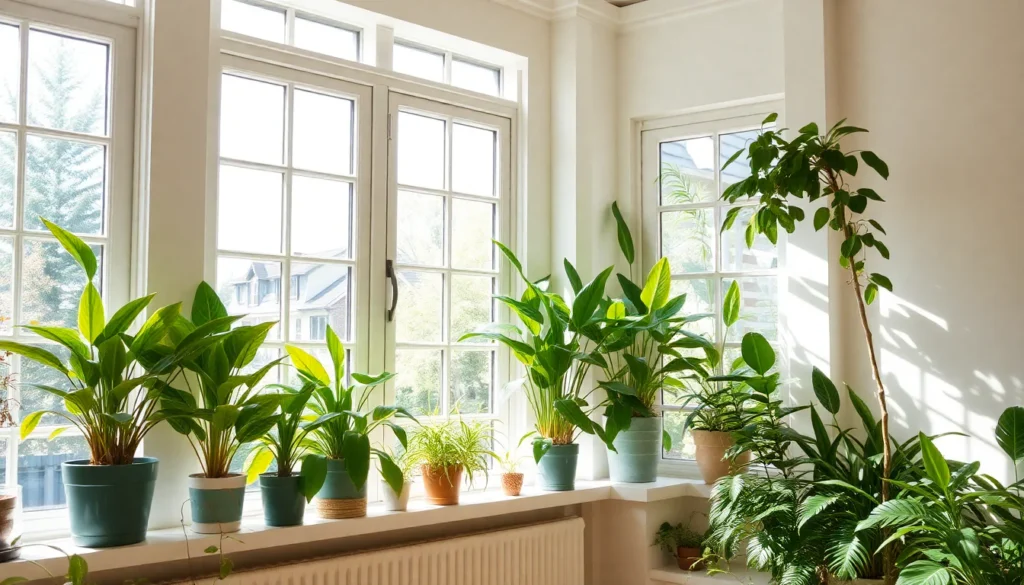
Indoor air can contain pollutants from many everyday sources. Cooking releases tiny particles into the air, while furniture, paints, carpets, and household cleaners may emit chemicals over time. Dust mites, mold spores, and pollen can also accumulate indoors, especially when ventilation is poor.
Poor indoor air quality may contribute to:
- Frequent sneezing and allergies
- Dry eyes and throat irritation
- Headaches
- Difficulty sleeping
- Fatigue
- Unpleasant odors
- Increased asthma symptoms for sensitive individuals
Improving indoor air naturally helps create a fresher environment while supporting overall wellness.
Open Your Windows Every Day
One of the simplest ways to improve indoor air naturally is to let fresh outdoor air circulate through your home.
Opening windows for 15 to 30 minutes each day helps remove stale indoor air while reducing the concentration of indoor pollutants. Creating cross ventilation by opening windows on opposite sides of your home improves airflow even more.
If outdoor pollution or pollen levels are high, choose early morning or late evening when air quality is generally better.
Fresh airflow also helps reduce excess humidity that encourages mold growth.
Add Air-Purifying Houseplants
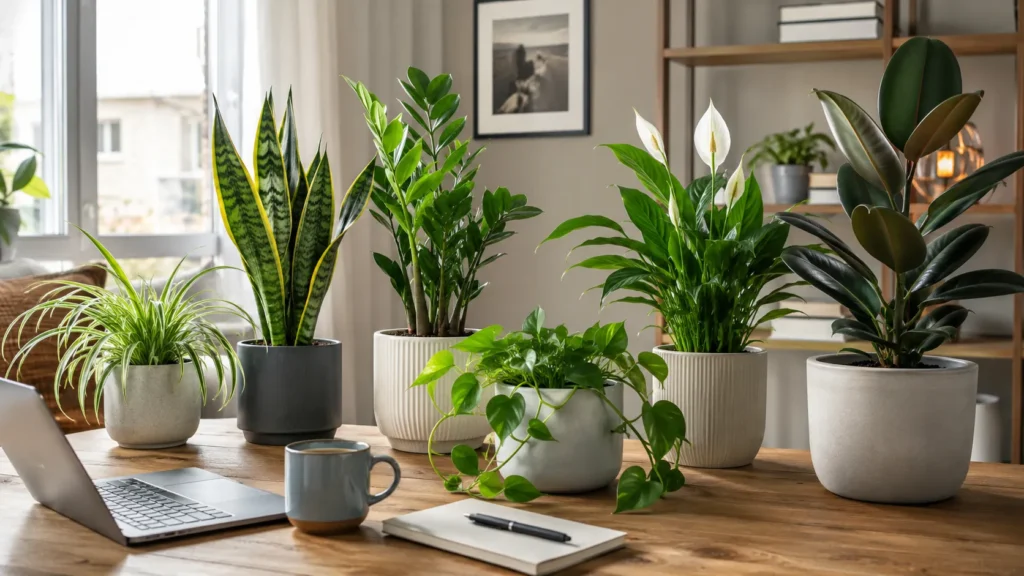
Houseplants cannot replace proper ventilation, but they can improve the atmosphere of your home while adding natural beauty.
Popular indoor plants include:
Snake Plant
This hardy plant requires little maintenance and thrives in low light. It is a favorite for bedrooms because it remains attractive year-round.
Spider Plant
Spider plants are easy to grow and ideal for beginners. They also produce baby plants that can be replanted.
Peace Lily
Peace lilies have elegant white flowers and enjoy indirect sunlight. Keep them away from pets because they may be toxic if ingested.
Areca Palm
This tropical plant adds humidity to dry indoor spaces while creating a relaxing appearance.
Boston Fern
Boston ferns prefer moist conditions and work well in bathrooms or kitchens with natural light.
Even a few healthy plants can make your living space feel fresher and more inviting.
Keep Your Home Dust Free
Dust carries pollen, pet hair, fabric fibers, and other particles that reduce indoor air quality.
Simple cleaning habits can significantly lower airborne dust.
Some helpful practices include:
- Vacuum carpets regularly using a HEPA filter vacuum.
- Wash bedding every week in warm water.
- Dust furniture with a damp microfiber cloth.
- Clean ceiling fans and air vents monthly.
- Shake outdoor rugs outside instead of indoors.
Reducing dust also helps people who experience seasonal allergies.
Control Indoor Humidity
Moisture plays a major role in indoor air quality.
High humidity encourages mold, mildew, and dust mites, while extremely dry air may irritate the nose, throat, and skin.
The ideal indoor humidity usually stays between 30% and 50%.
You can naturally manage humidity by:
- Opening bathroom windows after showers.
- Running kitchen exhaust fans while cooking.
- Fixing water leaks immediately.
- Drying wet towels outside when possible.
- Avoiding overwatering indoor plants.
Balanced humidity makes indoor air feel cleaner and more comfortable.
Choose Natural Cleaning Products
Many commercial cleaning products release strong fragrances and chemicals into indoor air.
Instead, consider simple natural alternatives such as:
- White vinegar for glass cleaning
- Baking soda for deodorizing
- Lemon juice for removing stains
- Mild castile soap for general cleaning
Natural cleaners often reduce unnecessary chemical exposure while still keeping surfaces clean.
Always ensure good ventilation when cleaning any part of your home.
Avoid Indoor Smoking
Smoking indoors is one of the biggest contributors to poor indoor air quality.
Smoke particles remain on furniture, curtains, carpets, and walls long after cigarettes have been extinguished. These particles continue affecting indoor air for extended periods.
Keeping your home completely smoke-free is one of the most effective improvements you can make.
Let Fresh Air Into the Kitchen
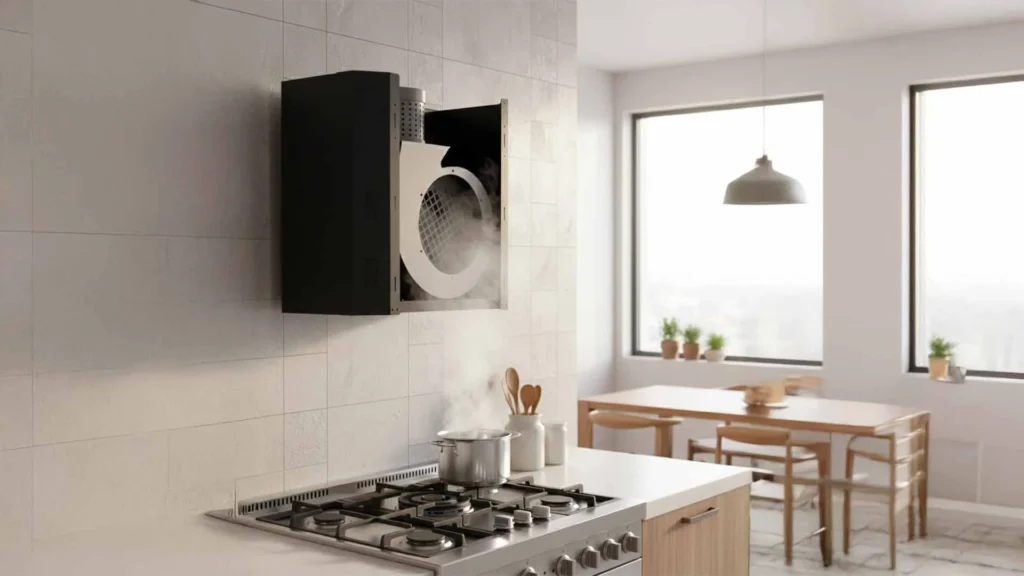
Cooking produces grease, moisture, smoke, and tiny airborne particles.
Whenever possible:
- Turn on your kitchen exhaust fan.
- Open nearby windows.
- Cover pots while boiling.
- Clean grease from kitchen surfaces regularly.
These small habits prevent cooking fumes from lingering throughout the home.
Remove Shoes Before Entering
Shoes bring dirt, pollen, bacteria, pesticides, and outdoor dust indoors.
Creating a no-shoes policy near your entrance keeps floors cleaner while reducing contaminants inside the house.
Providing indoor slippers for family members and guests makes this habit easier to follow.
Wash Fabrics Regularly
Curtains, blankets, cushions, rugs, and upholstery collect dust over time.
Cleaning these items regularly prevents particles from becoming airborne whenever they are disturbed.
If possible:
- Wash curtains every few months.
- Vacuum sofas weekly.
- Clean area rugs according to manufacturer recommendations.
- Replace heavily worn pillows.
Fresh fabrics also help eliminate lingering household odors.
Use Beeswax or Soy Candles Instead of Artificial Fragrances
Artificial air fresheners often mask odors rather than removing them.
For a naturally pleasant home, consider:
- Beeswax candles
- Soy candles with natural essential oils
- Fresh flowers
- Citrus peels
- Simmering cinnamon sticks with orange slices
Natural scents create a cozy atmosphere without overwhelming fragrances.
Bring Fresh Air Into Your Daily Routine
Improving indoor air naturally isn’t only about cleaning your home. Daily habits matter too.
Consider these simple lifestyle changes:
- Air out bedrooms every morning.
- Spend time outdoors each day.
- Keep indoor clutter to a minimum.
- Avoid storing damp clothing indoors.
- Replace HVAC filters on schedule.
- Clean reusable air conditioner filters regularly.
These habits help maintain healthier indoor environments throughout the year.
Common Mistakes That Reduce Indoor Air Quality
Many homeowners unintentionally make indoor air worse.
Some common mistakes include:
Keeping Windows Closed All the Time
Fresh air exchange is essential for reducing indoor pollutants.
Ignoring Small Water Leaks
Even minor leaks can create mold growth over time.
Using Too Many Scented Products
Layering scented candles, sprays, and cleaning products increases indoor chemicals.
Forgetting Air Filters
Dirty filters reduce airflow and allow dust to circulate.
Overcrowding Indoor Spaces
Too much furniture and clutter collect additional dust and make cleaning more difficult.
Avoiding these mistakes makes it easier to maintain clean indoor air naturally.
Budget-Friendly Ways to Improve Indoor Air Naturally
You don’t need expensive equipment to notice improvements.
Affordable ideas include:
- Opening windows daily
- Growing indoor plants
- Using baking soda for odors
- Washing bedding weekly
- Vacuuming regularly
- Cleaning air vents
- Repairing water leaks quickly
- Using microfiber cloths for dusting
Most of these solutions cost very little but offer long-term benefits.
Seasonal Tips for Cleaner Indoor Air
Different seasons bring different indoor air challenges.
Spring
Keep pollen outside by wiping shoes and changing clothes after spending time outdoors.
Summer
Control humidity to prevent mold growth.
Autumn
Open windows during cooler days for better ventilation.
Winter
Avoid sealing your home so tightly that stale air cannot escape. Brief ventilation each day keeps indoor air fresh even during cold weather.
Adjusting your routine with the seasons helps maintain better air quality year-round.
Frequently Asked Questions
1. What is the easiest way to improve indoor air naturally?
Opening windows daily for fresh airflow, cleaning regularly, and reducing indoor dust are among the easiest and most effective methods.
2. Do indoor plants really improve air quality?
Indoor plants can contribute to a fresher indoor environment and improve the overall atmosphere, although they should complement good ventilation rather than replace it.
3. How often should I clean my home to reduce dust?
Weekly vacuuming, dusting with microfiber cloths, and washing bedding every week help control indoor dust effectively.
4. Is it better to use natural cleaning products?
Natural cleaning products often contain fewer harsh chemicals and can help reduce unnecessary indoor air pollution while keeping your home clean.
5. What humidity level is best for indoor air?
Most homes benefit from indoor humidity between 30% and 50%, which helps discourage mold growth while keeping the air comfortable.
Conclusion
Learning easy ways to improve indoor air naturally doesn’t require major renovations or costly equipment. Consistent habits like opening windows, reducing dust, controlling humidity, choosing natural cleaning products, and caring for indoor plants can noticeably improve the air inside your home.
Cleaner indoor air supports better comfort, healthier breathing, and a more pleasant living environment for everyone in the household. Start with one or two simple changes today, then gradually build healthier habits over time. Small improvements made consistently often have the biggest long-term impact on the quality of your indoor space.

Leave a Reply