
Keeping your home clean often feels like an endless task, especially when dust seems to return just hours after cleaning. Whether you live in a busy city, a suburban neighborhood, or a rural area, dust can quickly settle on furniture, electronics, floors, and even indoor plants. Besides making your home look untidy, excessive dust can trigger allergies, worsen asthma, and reduce indoor air quality.
The good news is that you don’t need harsh chemical cleaners or expensive gadgets to solve the problem. Learning how to reduce dust inside your home naturally is all about building simple habits, improving airflow, and choosing the right cleaning methods. Small daily changes can dramatically reduce the amount of dust that accumulates throughout your home.
In this guide, you’ll discover practical, affordable, and eco-friendly ways to keep your living space cleaner while creating a healthier environment for your family.
Why Does Dust Build Up So Quickly?
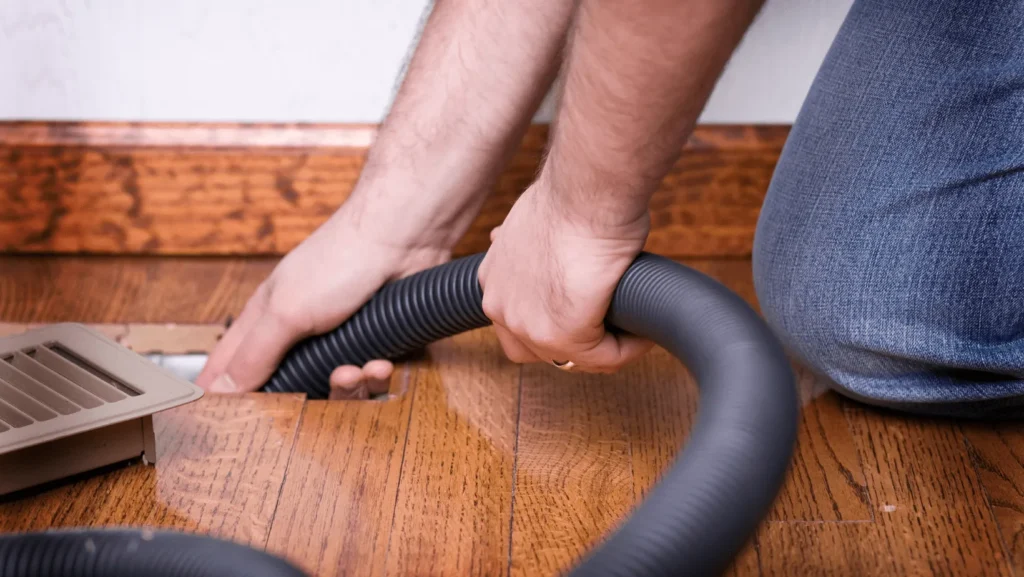
Dust is made up of tiny particles from many different sources. It can include dead skin cells, fabric fibers, pollen, pet dander, soil, hair, insect debris, and particles carried indoors through open windows or on your shoes.
Modern homes also contain numerous fabrics such as carpets, curtains, bedding, upholstered furniture, and clothing. These materials constantly release tiny fibers that become part of household dust.
If your home has poor ventilation, dirty air filters, or cluttered surfaces, dust has more places to settle and accumulate.
Health Problems Caused by Excess Dust
Although dust is common, too much of it can affect your health.
Common issues include:
- Sneezing and allergies
- Itchy eyes
- Runny nose
- Asthma flare-ups
- Dry throat
- Poor indoor air quality
- Increased irritation for sensitive skin
Reducing indoor dust naturally helps create a healthier living environment, especially for children, older adults, and people with respiratory conditions.
How to Reduce Dust Inside Your Home Naturally
Clean with a Damp Microfiber Cloth
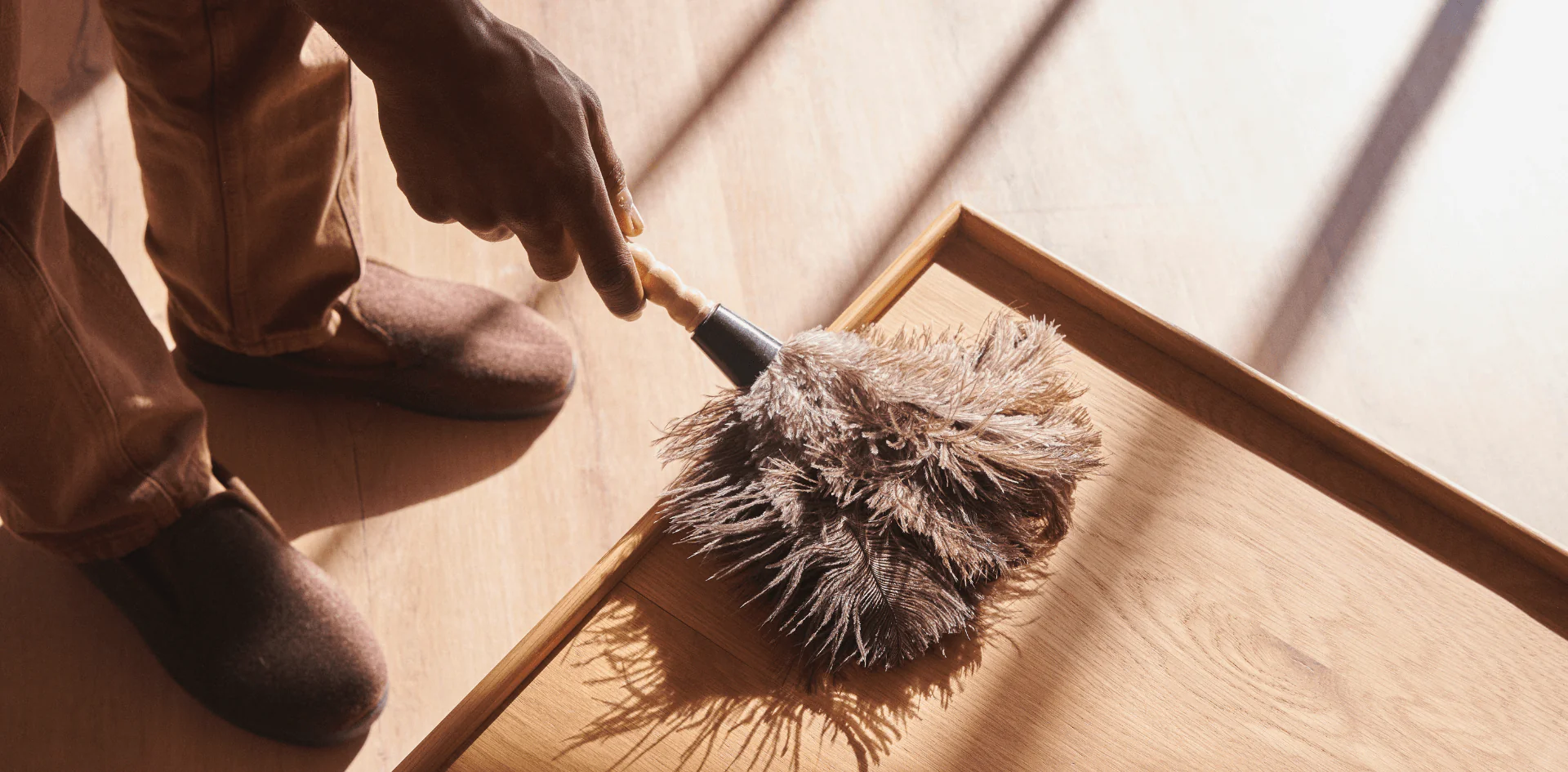
Instead of using dry cloths or feather dusters, clean surfaces with a slightly damp microfiber cloth.
Microfiber traps dust particles instead of simply moving them around the room. A damp cloth also prevents dust from becoming airborne again.
Dust shelves, tables, window sills, cabinets, electronics, and decorative items at least once each week.
Vacuum Regularly Using the Right Filter
Vacuuming removes dust from carpets, rugs, sofas, mattresses, and curtains.
For the best results:
- Vacuum carpets twice a week.
- Clean under furniture.
- Vacuum fabric furniture regularly.
- Empty the vacuum after use.
- Use a vacuum with a HEPA filter whenever possible.
HEPA filters capture extremely fine dust particles instead of releasing them back into the air.
Mop Hard Floors Instead of Dry Sweeping
Dry brooms often push dust around instead of removing it.
Use a damp mop after vacuuming or sweeping to pick up remaining dust particles from hardwood, tile, laminate, or vinyl floors.
Natural cleaning solutions made from warm water and a little white vinegar work well for most hard flooring surfaces.
Reduce Dust Entering Your Home
One of the easiest ways to reduce dust naturally is by preventing it from entering your house.
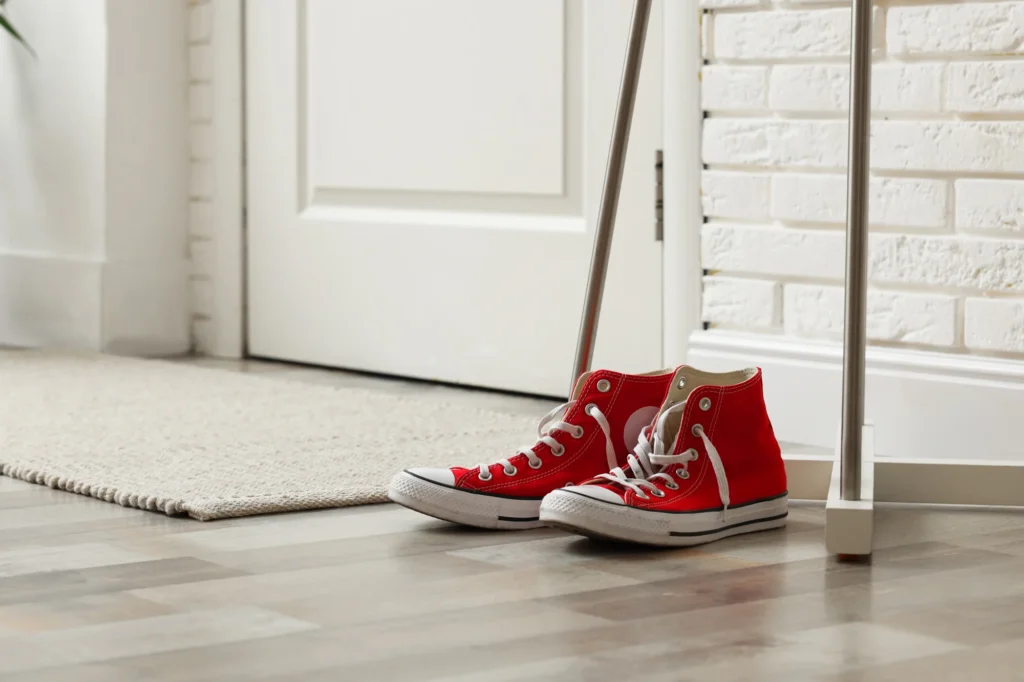
Remove Shoes at the Door
Shoes carry dirt, pollen, bacteria, and fine dust from outside.
Keeping a shoe rack near the entrance encourages everyone to leave outdoor footwear at the door.
This simple habit can significantly reduce indoor dust.
Use High-Quality Doormats
Place sturdy doormats both outside and inside every entrance.
These mats trap dirt before it spreads throughout your home.
Shake out or wash them regularly to keep them effective.
Keep Doors and Windows Clean
Dust often collects around windows and door frames.
Clean these areas weekly since opening windows can allow dust and pollen to enter.
Installing fine mesh screens also helps reduce outdoor dust while allowing fresh air inside.
Wash Fabrics Frequently
Many household fabrics naturally collect dust.
These include:
- Bedsheets
- Pillowcases
- Blankets
- Curtains
- Cushion covers
- Sofa throws
- Rugs
Wash bedding every week using warm water whenever suitable for the fabric.
Curtains should also be cleaned regularly because they trap airborne particles over time.
Control Pet Hair and Pet Dander
Pets are wonderful companions, but they contribute to household dust through fur, dander, and outdoor dirt.
Brush your pets regularly, preferably outdoors.
Wash pet bedding every week.
Vacuum areas where pets spend the most time.
Keeping pets clean naturally reduces dust buildup inside the home.
Reduce Indoor Clutter
Clutter creates extra surfaces where dust can collect.
Books, decorations, unused electronics, stacks of paper, and storage boxes all require regular dusting.
A more organized home is much easier to clean and stays dust-free for longer.
Try storing seasonal items inside closed cabinets instead of leaving them exposed.
Improve Indoor Air Circulation
Good airflow helps prevent dust from settling.
Open windows when outdoor air quality is good.
Use exhaust fans in kitchens and bathrooms to reduce moisture and improve ventilation.
If you use ceiling fans, clean the blades regularly because dirty fan blades spread dust throughout the room every time they operate.
Take Care of Your HVAC System
If your home has central heating or air conditioning, the filters play a major role in controlling dust.
Replace or clean filters according to the manufacturer’s recommendations.
Dirty filters reduce airflow and circulate dust around the house.
Professional maintenance once or twice a year also improves indoor air quality.
Use Natural Air-Purifying Plants
Certain indoor plants may help improve indoor environments while adding natural beauty to your home.
Popular choices include:
- Snake Plant
- Spider Plant
- Peace Lily
- Areca Palm
- Bamboo Palm
While plants alone won’t eliminate dust, they contribute to a fresher indoor atmosphere when combined with regular cleaning.
Maintain the Right Humidity Level
Very dry indoor air allows dust particles to stay airborne longer.
Aim for indoor humidity between 40% and 50%.
Natural ways to maintain healthy humidity include:
- Keeping indoor plants
- Air-drying laundry indoors occasionally
- Using bowls of water near heat sources during dry seasons
Avoid excessive humidity because it encourages mold growth.
Clean Hidden Dust Areas
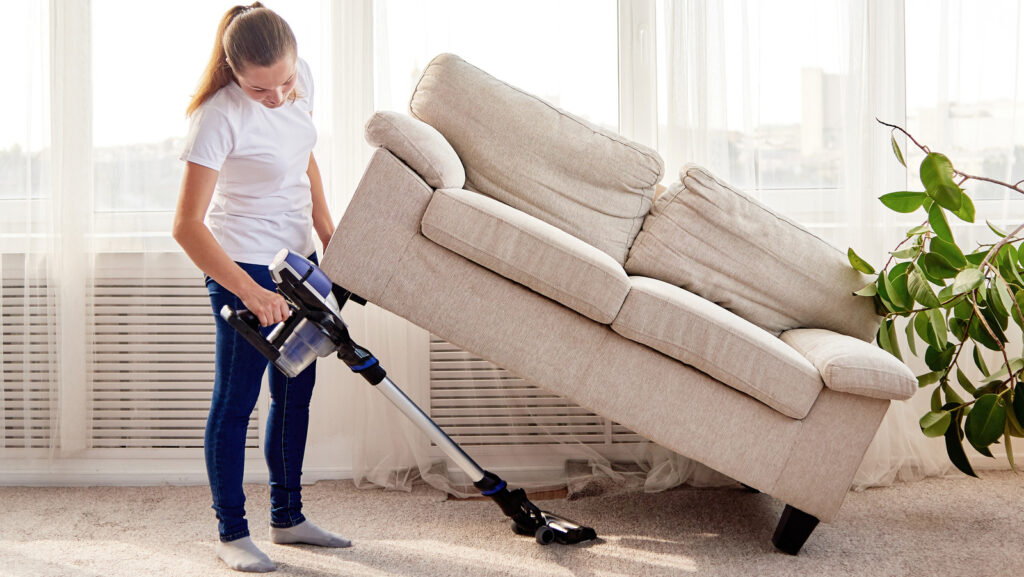
Many homeowners clean visible surfaces but forget hidden areas where dust collects.
Pay attention to:
- Under beds
- Behind sofas
- Behind televisions
- Ceiling corners
- Baseboards
- Behind refrigerators
- Under appliances
- Closet shelves
Cleaning these spaces every few weeks prevents dust from spreading throughout your home.
Choose Low-Dust Home Décor
Some decorating choices naturally collect more dust than others.
To reduce dust:
- Choose washable curtains.
- Limit heavy fabric decorations.
- Select leather or smooth furniture when possible.
- Store books inside cabinets.
- Avoid excessive decorative items on shelves.
A minimalist approach often means less cleaning.
Natural Cleaning Solutions That Work
You don’t need chemical cleaners for everyday dust control.
Simple natural options include:
White Vinegar
Excellent for wiping hard surfaces and removing light dirt.
Baking Soda
Useful for freshening carpets before vacuuming.
Lemon Juice
Leaves glass and mirrors clean while adding a fresh scent.
Warm Water
Often all that’s needed for regular dust removal with microfiber cloths.
Daily Habits That Keep Dust Away
Consistency matters more than deep cleaning once a month.
Simple daily habits include:
- Making the bed every morning
- Wiping kitchen counters
- Putting away clothes
- Opening windows briefly when outdoor conditions are clean
- Removing shoes indoors
- Vacuuming high-traffic areas
- Keeping laundry off the floor
These small routines prevent dust from accumulating over time.
Common Mistakes That Increase Indoor Dust
Many people unknowingly make cleaning mistakes that spread dust.
Avoid these habits:
- Using feather dusters
- Forgetting ceiling fans
- Ignoring air filters
- Overcrowding shelves
- Wearing outdoor shoes indoors
- Rarely washing curtains
- Neglecting pet grooming
- Sweeping without mopping afterward
Correcting these mistakes can noticeably reduce household dust.
Benefits of Reducing Dust Naturally
Learning how to reduce dust inside your home naturally provides several long-term benefits.
A cleaner home requires less frequent deep cleaning and creates a more comfortable environment.
Other advantages include:
- Better indoor air quality
- Fewer allergy symptoms
- Healthier breathing
- Cleaner furniture
- Longer-lasting electronics
- Improved sleep quality
- More comfortable living spaces
Natural cleaning methods are also safer for children, pets, and the environment.
Frequently Asked Questions
How often should I dust my home?
Dust high-traffic areas at least once a week. Homes with pets or allergy sufferers may benefit from dusting every two to three days.
Does opening windows increase indoor dust?
Yes, open windows can allow outdoor dust and pollen inside. Opening them during times when outdoor air is cleaner and using window screens can help reduce this.
What is the best cloth for removing dust?
A damp microfiber cloth is one of the best tools because it traps dust instead of spreading it into the air.
Can indoor plants reduce dust?
Indoor plants can contribute to a fresher indoor environment and may help capture some airborne particles, but they work best alongside regular cleaning.
Is vacuuming better than sweeping?
Yes. Vacuuming, especially with a HEPA-filter vacuum, removes fine dust more effectively. Sweeping alone often pushes dust back into the air.
Conclusion
Knowing how to reduce dust inside your home naturally doesn’t require expensive equipment or strong chemical cleaners. A combination of regular cleaning, microfiber cloths, proper ventilation, clean air filters, organized spaces, and healthy daily habits can dramatically reduce dust throughout your home.
The goal isn’t to eliminate dust completely—that’s impossible—but to manage it effectively. By preventing dust from entering, cleaning smartly, and maintaining your home’s airflow, you can enjoy cleaner surfaces, healthier indoor air, and a more comfortable living environment all year round. Consistency is the key, and even small daily efforts will make a noticeable difference over time.

Leave a Reply