
Introduction
A well-ventilated home is one of the most important foundations of healthy living. Fresh air helps remove indoor pollutants, controls humidity, prevents mold growth, and creates a more comfortable environment throughout the year. However, the way you ventilate your home should change with the seasons. The strategies that work during hot summer days may not be suitable for freezing winter nights.
Understanding the Best Ventilation Tips for Every Season can help you improve indoor air quality while reducing energy waste. Whether you live in a warm, humid climate or experience all four seasons, adjusting your home’s airflow can make a noticeable difference in comfort, health, and utility bills.
In this guide, you’ll learn practical, easy-to-follow ventilation techniques for spring, summer, autumn, and winter. These expert-backed tips are suitable for apartments, houses, and even small living spaces.
Why Seasonal Ventilation Matters
Your home continuously collects dust, cooking fumes, pet dander, moisture, and indoor pollutants. Without proper ventilation, these contaminants remain trapped inside, affecting both your health and your home’s condition.
Seasonal ventilation is about balancing fresh air with energy efficiency. During warmer months, ventilation helps remove heat and humidity. In colder months, it focuses on maintaining healthy indoor air without losing excessive warmth.
Benefits of proper seasonal ventilation include:
- Better indoor air quality
- Reduced humidity and condensation
- Lower risk of mold and mildew
- Improved sleep quality
- Increased home comfort
- Better energy efficiency
- Longer lifespan for furniture and interiors
Spring Ventilation Tips

Spring is one of the easiest seasons to naturally ventilate your home. Mild temperatures make it possible to enjoy fresh outdoor air without relying heavily on heating or cooling systems.
Open Windows During Mild Hours
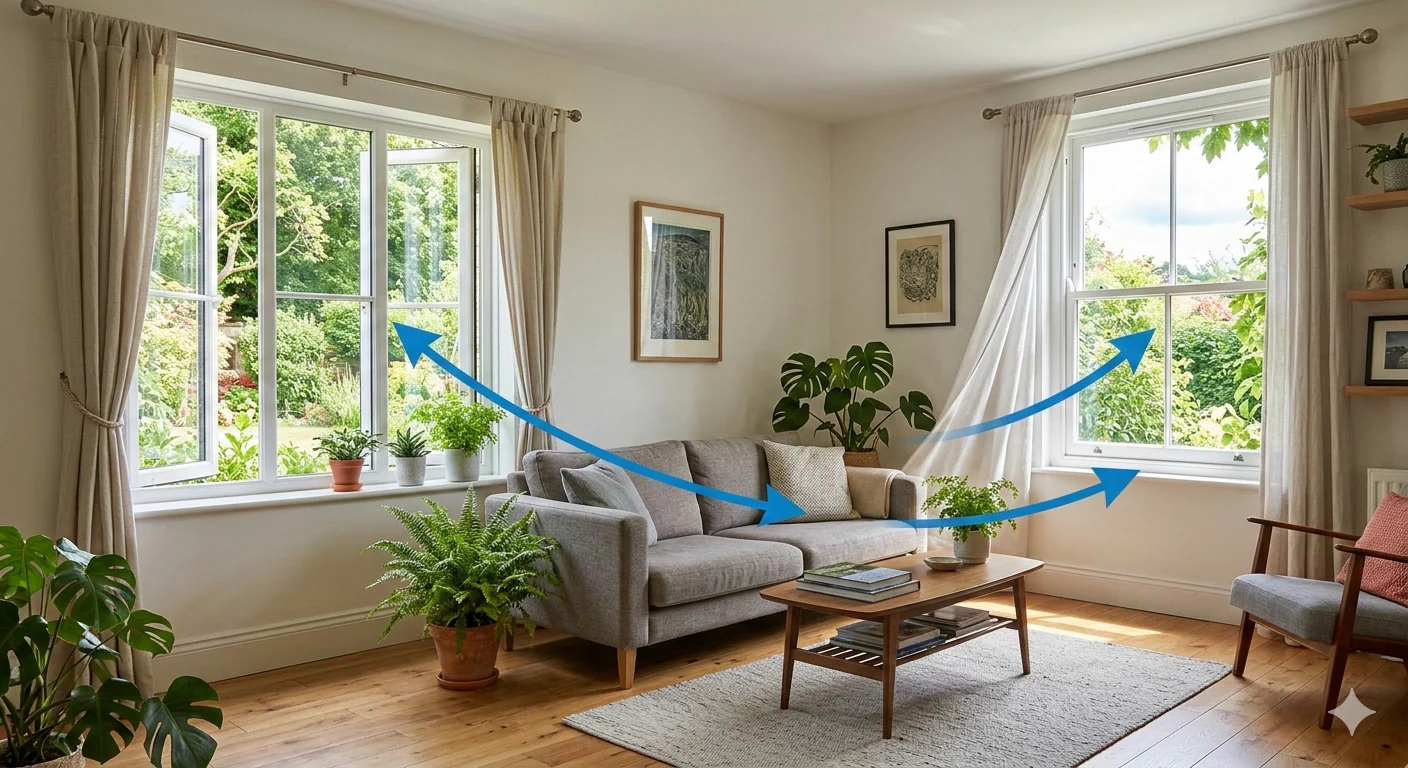
Take advantage of pleasant morning and evening temperatures by opening windows on opposite sides of your home. This creates cross ventilation that replaces stale indoor air with fresh outdoor air.
Even opening windows for 20 to 30 minutes daily can significantly improve indoor air quality.
Clean Air Vents and Window Screens
Dust accumulated during winter often blocks airflow. Clean window screens, exhaust vents, and air conditioning filters before warmer weather begins.
This improves ventilation efficiency while reducing allergens circulating indoors.
Remove Winter Moisture
Bathrooms, kitchens, and basements often retain moisture after winter. Run exhaust fans after showers and cooking to eliminate excess humidity.
If your home feels damp, consider using a dehumidifier until humidity levels return to normal.
Let Natural Air Freshen Your Home
Instead of relying on artificial air fresheners, allow fresh spring air to naturally eliminate indoor odors. Open closet doors and interior room doors to improve airflow throughout the house.
Summer Ventilation Tips
Summer brings high temperatures and increased humidity. Smart ventilation keeps indoor spaces comfortable without overworking your cooling system.
Ventilate During Cooler Hours
Open windows early in the morning or after sunset when outdoor temperatures are lower.
Close windows during the hottest part of the day to prevent warm air from entering.
Create Cross Ventilation
Cross ventilation is one of the most effective cooling methods. Open windows on opposite sides of your home to allow continuous airflow.
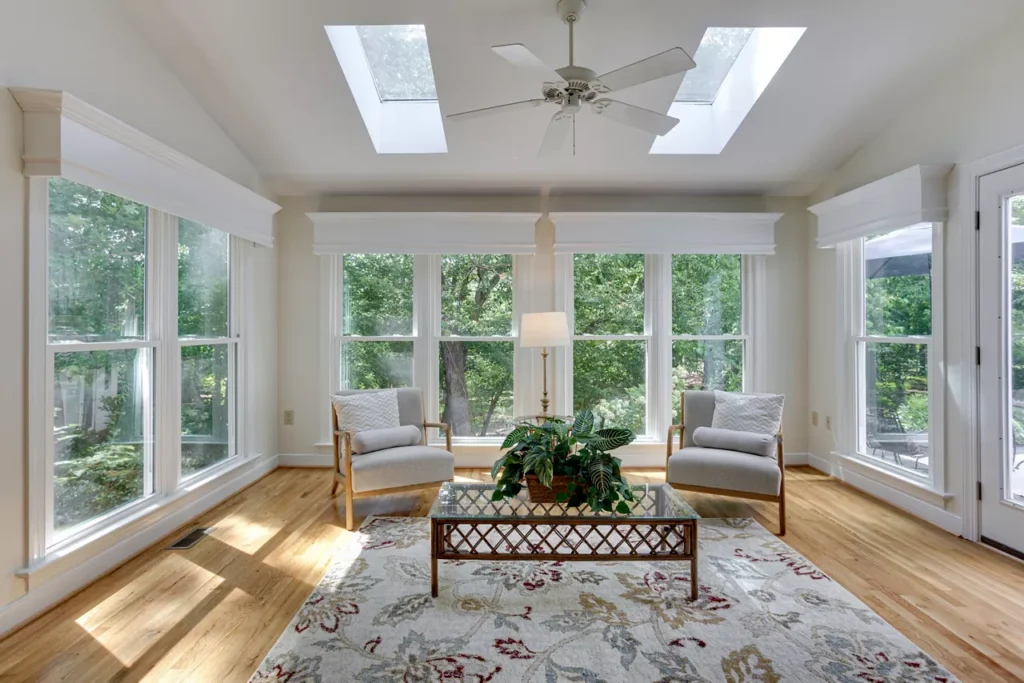
Adding ceiling or portable fans helps move air more efficiently without significantly increasing electricity use.
Use Kitchen and Bathroom Exhaust Fans
Cooking and showering produce heat and moisture that make your home feel warmer.
Run exhaust fans during and after these activities to remove hot, humid air quickly.
Keep Air Filters Clean
Air conditioners circulate indoor air continuously during summer. Dirty filters reduce airflow and force HVAC systems to work harder.
Replace or clean filters every one to three months depending on usage and indoor air quality.
Reduce Indoor Heat Sources
Turn off unnecessary lights and electronic devices when not in use. Heat generated by appliances increases indoor temperatures and places extra demand on cooling systems.
Autumn Ventilation Tips

Autumn is the perfect transition season for preparing your home before winter arrives.
Air Out Your Home Daily
Cool autumn temperatures make daily ventilation comfortable.
Open windows for 15 to 20 minutes every morning to replace stale indoor air while maintaining indoor warmth.
Prepare Heating Systems
Before using your heating system regularly, inspect vents, replace filters, and clean air ducts if necessary.
This helps distribute warm air efficiently while improving indoor air quality.
Watch Indoor Humidity
As outdoor temperatures fall, humidity levels begin to change.
Aim to maintain indoor humidity between 30% and 50% for optimal comfort and mold prevention.
Seal Drafts Without Blocking Fresh Air
Check windows and doors for unwanted drafts.
Seal gaps that cause energy loss but continue using controlled ventilation through windows or mechanical ventilation systems.
Winter Ventilation Tips
Many homeowners avoid opening windows during winter, believing it wastes energy. However, proper ventilation remains essential for maintaining healthy indoor air.
Ventilate Briefly Each Day
Open windows for five to ten minutes daily.
Short bursts of fresh air replace indoor pollutants without dramatically lowering indoor temperatures.
Use Exhaust Fans Consistently
Bathrooms and kitchens generate large amounts of moisture during winter.
Run exhaust fans during showers and cooking to prevent condensation on windows and walls.
Prevent Condensation
Condensation often forms when warm indoor air meets cold window surfaces.
Reduce humidity through proper ventilation and avoid drying clothes indoors whenever possible.
Keep Heating Vents Unblocked
Furniture, curtains, and rugs should never block heating vents.
Free airflow allows your heating system to work more efficiently while distributing fresh air evenly.
Monitor Indoor Air Quality
Because windows remain closed for longer periods, indoor pollutants can accumulate during winter.
Consider using an indoor air quality monitor if anyone in your household suffers from allergies or respiratory conditions.
Year-Round Ventilation Habits
Good ventilation isn’t just seasonal—it requires consistent maintenance throughout the year.
Replace HVAC Filters Regularly
Clean filters improve airflow, reduce dust, and increase heating and cooling efficiency.
Keep Air Vents Open
Never block supply or return vents with furniture or storage items.
Balanced airflow improves overall ventilation.
Maintain Ceiling Fans
Ceiling fans support ventilation in every season.
Run them counterclockwise during summer for cooling and clockwise during winter to circulate warm air.
Control Indoor Humidity
Ideal indoor humidity remains between 30% and 50%.
Both excessive dryness and high humidity reduce comfort and may affect health.
Use Air Purifiers When Needed
Homes near busy roads, industrial areas, or locations with seasonal allergies can benefit from air purifiers alongside proper ventilation.
Remember that air purifiers supplement ventilation—they don’t replace fresh outdoor air.
Common Ventilation Mistakes to Avoid
Many homeowners unintentionally reduce indoor air quality through simple mistakes.
Common errors include:
- Keeping windows permanently closed.
- Forgetting to replace HVAC filters.
- Blocking ventilation grilles.
- Ignoring bathroom exhaust fans.
- Overusing air fresheners instead of improving airflow.
- Allowing excessive indoor humidity.
- Neglecting regular maintenance of ventilation systems.
Avoiding these mistakes helps maintain a healthier and more comfortable living space throughout the year.
How Proper Ventilation Improves Health
Fresh air does much more than make a home feel comfortable.
Effective ventilation helps remove:
- Dust particles
- Cooking smoke
- Pet dander
- Carbon dioxide buildup
- Volatile organic compounds (VOCs)
- Moisture that encourages mold growth
Improved indoor air quality can reduce allergy symptoms, headaches, fatigue, and respiratory irritation while supporting better sleep and overall well-being.
Energy-Saving Ventilation Tips
Proper ventilation and energy efficiency can work together.
Some practical ways to save energy include:
- Ventilate during cooler outdoor temperatures.
- Use ceiling fans before increasing air conditioning.
- Seal unwanted air leaks around doors and windows.
- Install programmable ventilation systems if available.
- Keep HVAC equipment well maintained.
- Use insulated curtains during extreme weather.
These small improvements reduce utility bills while maintaining healthy airflow.
Frequently Asked Questions
1. What is the ideal indoor humidity level?
Most experts recommend maintaining indoor humidity between 30% and 50% throughout the year for comfort and mold prevention.
2. How often should I open my windows?
Opening windows for 10 to 30 minutes daily is usually enough to improve indoor air quality, depending on weather conditions.
3. Is it okay to ventilate during winter?
Yes. Brief ventilation sessions of five to ten minutes help remove indoor pollutants without causing significant heat loss.
4. Can air purifiers replace ventilation?
No. Air purifiers remove certain airborne particles, but they do not bring fresh outdoor air into your home. Proper ventilation remains essential.
5. How often should HVAC filters be replaced?
Most filters should be replaced every one to three months, depending on filter type, pets, allergies, and system usage.
Conclusion
Maintaining fresh indoor air doesn’t require expensive equipment or complicated renovations. Following the Best Ventilation Tips for Every Season helps create a healthier, more comfortable, and energy-efficient home throughout the year.
Simple habits such as opening windows at the right time, using exhaust fans, maintaining HVAC systems, controlling humidity, and ensuring proper airflow can significantly improve indoor air quality. By adapting your ventilation strategy to each season, you’ll enjoy cleaner air, reduced moisture problems, lower energy costs, and a more pleasant living environment every day.

Leave a Reply