

Indoor air quality has a bigger impact on your daily life than most people realize. While many homeowners focus on keeping floors spotless or furniture dust-free, the air inside a home can quietly collect dust, allergens, mold spores, pet dander, and harmful pollutants. Since most people spend nearly 90% of their time indoors, poor air quality can affect comfort, sleep, productivity, and overall well-being.
The good news is that improving indoor air doesn’t always require expensive equipment or major renovations. In many cases, avoiding a few common mistakes can make a noticeable difference. Whether you live in a house, apartment, or office space, understanding these everyday habits can help you create a cleaner and healthier indoor environment.
Why Indoor Air Quality Matters

The air inside your home is constantly changing. Cooking, cleaning, pets, furniture, humidity, and even outdoor pollution all influence what you breathe every day.
Poor indoor air quality may contribute to:
- Excessive dust buildup
- Allergy symptoms
- Unpleasant odors
- Mold growth
- Increased humidity problems
- Eye and throat irritation
- Poor sleep quality
- Reduced comfort indoors
Fortunately, most indoor air quality problems are preventable with simple maintenance and smarter habits.
Mistake #1: Never Opening Windows
Fresh air plays an important role in reducing indoor pollutants. Many people keep windows closed throughout the year because of outdoor temperatures, traffic noise, or security concerns.
Without proper ventilation, indoor pollutants continue building up inside your home.
Even opening windows for 10 to 20 minutes each day can improve air circulation when outdoor air quality is good.
If outdoor pollution is high in your area, ventilate during cleaner parts of the day, such as early morning.
Mistake #2: Ignoring Air Filter Replacement
HVAC filters trap dust, pollen, lint, and other airborne particles. However, they only work effectively when replaced regularly.
A clogged filter reduces airflow and allows contaminants to circulate throughout your home.
General replacement guidelines include:
- Every 1–2 months for homes with pets
- Every 2–3 months for average households
- More frequently during allergy seasons
Always choose the filter recommended by your HVAC manufacturer instead of simply buying the thickest available filter.
Mistake #3: Letting Dust Build Up
Dust is more than just dirt.
It often contains:
- Dead skin cells
- Pet dander
- Pollen
- Fabric fibers
- Tiny insect particles
- Outdoor contaminants
When dust accumulates on shelves, carpets, and furniture, it easily becomes airborne again.
Instead of dry dusting, use a damp microfiber cloth that captures particles rather than spreading them around the room.
Vacuum carpets and upholstery regularly using a vacuum equipped with a HEPA filter.
Mistake #4: Overlooking Humidity Levels
Indoor humidity has a direct impact on air quality.
Too much humidity encourages mold growth and dust mites.
Too little humidity can lead to dry skin, irritated eyes, and respiratory discomfort.
The ideal indoor humidity range is generally between 30% and 50%.
You can monitor humidity using an inexpensive digital hygrometer.
If humidity is too high, use exhaust fans while cooking or showering and consider using a dehumidifier in damp spaces.
Mistake #5: Using Too Many Scented Products
Air fresheners may temporarily mask odors, but they don’t remove the source of indoor pollution.
Many scented candles, sprays, incense sticks, and fragrance oils release additional airborne particles and volatile organic compounds (VOCs).
Instead of covering odors:
- Improve ventilation
- Remove the odor source
- Clean affected surfaces
- Empty trash regularly
- Wash pet bedding frequently
A naturally fresh home usually has better indoor air quality than one relying heavily on artificial fragrances.
Mistake #6: Forgetting Bathroom and Kitchen Ventilation
Bathrooms and kitchens produce large amounts of moisture.
Without proper ventilation:
- Mold develops faster
- Moisture damages walls
- Indoor humidity increases
- Cooking particles remain suspended in the air
Always use exhaust fans while showering and cooking.
Leave bathroom fans running for about 20 minutes after finishing a shower to remove excess moisture.
Mistake #7: Skipping Regular HVAC Maintenance
Your heating and cooling system circulates air throughout the house every day.
If neglected, dust, debris, and moisture can build up inside the system.
Annual professional maintenance helps:
- Improve airflow
- Increase energy efficiency
- Extend equipment life
- Support cleaner indoor air
Routine inspections also identify small issues before they become expensive repairs.
Mistake #8: Keeping Wet Items Indoors Too Long
Wet towels, damp clothing, soaked shoes, and wet carpets all increase indoor moisture.
These damp materials can encourage mold and mildew growth if they don’t dry quickly.
Dry clothes outdoors when possible or ensure indoor drying areas are well ventilated.
If carpets become soaked after leaks or spills, dry them within 24 to 48 hours.
Mistake #9: Neglecting Indoor Plants
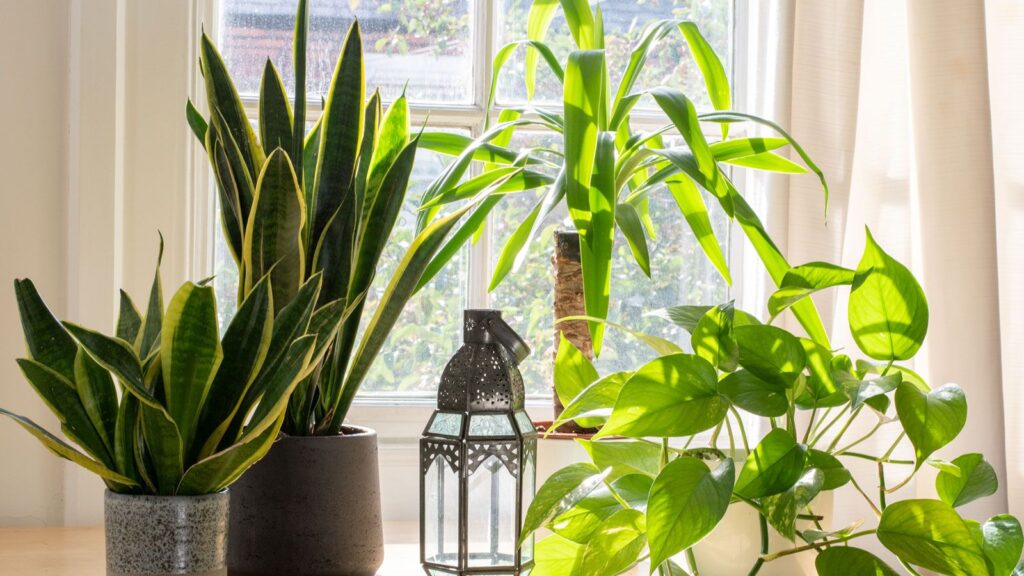
Indoor plants can improve the appearance of a room, but they require proper care.
Overwatering plants may encourage mold growth in the soil.
Dead leaves and standing water can also contribute to unwanted microorganisms.
Keep plant pots clean, avoid overwatering, and remove damaged leaves regularly.
Choose healthy plants and place them where they receive appropriate light.
Mistake #10: Smoking Indoors
One of the biggest indoor air quality mistakes is allowing smoking inside the home.
Smoke particles settle into:
- Curtains
- Carpets
- Walls
- Furniture
- Bedding
Even after the visible smoke disappears, harmful particles can remain on indoor surfaces for extended periods.
If someone smokes, doing so outdoors significantly reduces indoor contamination.
Mistake #11: Using Harsh Cleaning Chemicals Excessively
Cleaning products help maintain hygiene, but using multiple strong chemicals together can affect indoor air quality.
Whenever possible:
- Follow label instructions carefully.
- Avoid mixing different cleaning products.
- Use only the amount needed.
- Ventilate rooms while cleaning.
- Store chemicals securely after use.
Simple cleaning routines often work just as effectively without filling your home with unnecessary fumes.
Mistake #12: Ignoring Hidden Mold
Mold isn’t always visible.
It often grows behind furniture, inside cabinets, beneath sinks, or around windows where moisture accumulates unnoticed.
Signs of hidden mold include:
- Musty odors
- Peeling paint
- Water stains
- Persistent dampness
- Recurring condensation
Address water leaks promptly and inspect moisture-prone areas regularly.
Easy Daily Habits That Improve Indoor Air Quality
Small habits practiced consistently often have the biggest impact.
Some easy improvements include:
Open Windows Regularly
Allow fresh air to circulate whenever outdoor conditions permit.
Vacuum Frequently
Use a vacuum with a HEPA filter to capture fine particles instead of redistributing them.
Wash Bedding Weekly
Dust mites commonly collect in bedding and pillows.
Regular washing helps reduce allergens.
Control Indoor Humidity
Maintain humidity between 30% and 50%.
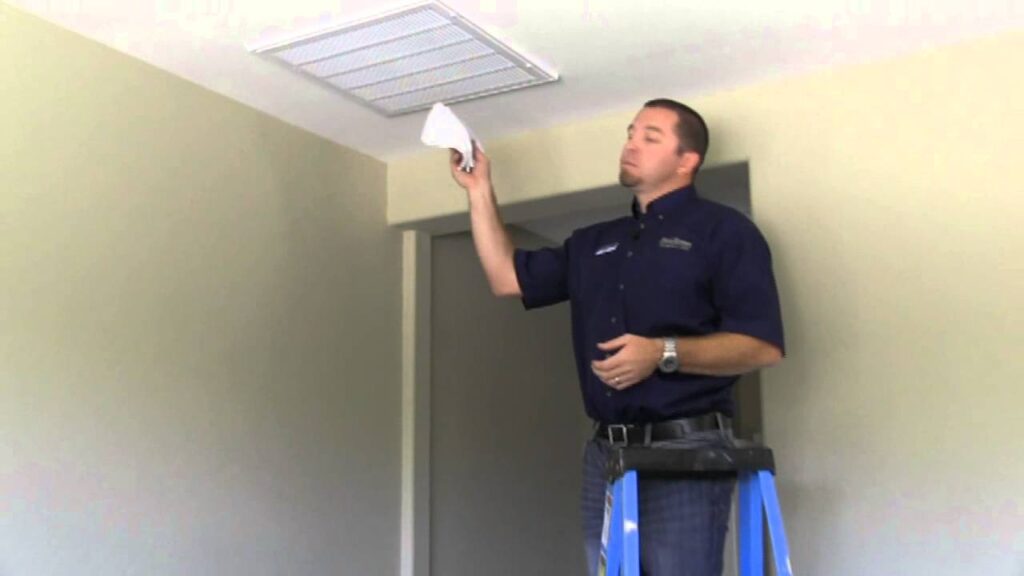
Clean Air Vents
Remove visible dust from supply and return vents regularly.
Remove Shoes at the Door
Outdoor dirt, pollen, and pollutants easily enter your home through footwear.
A simple shoe-free policy helps reduce contaminants.
Groom Pets Regularly
Brushing pets and cleaning pet bedding minimizes loose hair and dander indoors.
Long-Term Ways to Maintain Cleaner Indoor Air
Good indoor air quality isn’t achieved with a single purchase.
It comes from consistent maintenance and healthy habits.
Long-term strategies include:
- Replacing HVAC filters on schedule
- Repairing water leaks quickly
- Cleaning exhaust fans
- Maintaining heating and cooling systems
- Keeping clutter under control
- Reducing unnecessary indoor pollutants
- Monitoring humidity throughout the year
- Cleaning soft furnishings regularly
Making these habits part of your routine creates a healthier living space over time.
Frequently Asked Questions
1. What is the biggest cause of poor indoor air quality?
Poor ventilation, dirty HVAC filters, excess humidity, dust buildup, and indoor pollutants from cleaning products or smoke are among the most common causes.
2. How often should I replace my HVAC air filter?
Most homes benefit from replacing filters every two to three months, while homes with pets or heavy dust may require monthly replacement.
3. Can indoor plants improve air quality?
Healthy indoor plants can enhance your living space, but they should be properly maintained to avoid mold caused by overly wet soil.
4. Is opening windows always good for indoor air?
Opening windows improves ventilation when outdoor air quality is clean. During periods of heavy pollution or wildfire smoke, it’s better to keep windows closed.
5. What humidity level is best indoors?
A humidity level between 30% and 50% is generally considered comfortable and helps reduce mold growth while preventing overly dry air.
Conclusion
Maintaining healthy indoor air doesn’t require expensive technology or complicated routines. Most improvements begin with simple habits like replacing air filters, reducing dust, controlling humidity, improving ventilation, and addressing moisture problems before they become serious.
By avoiding these common indoor air quality mistakes, you create a cleaner, fresher, and more comfortable home for everyone. Small changes made consistently can significantly improve the air you breathe every day, making your living environment healthier in both the short and long term.

Leave a Reply