
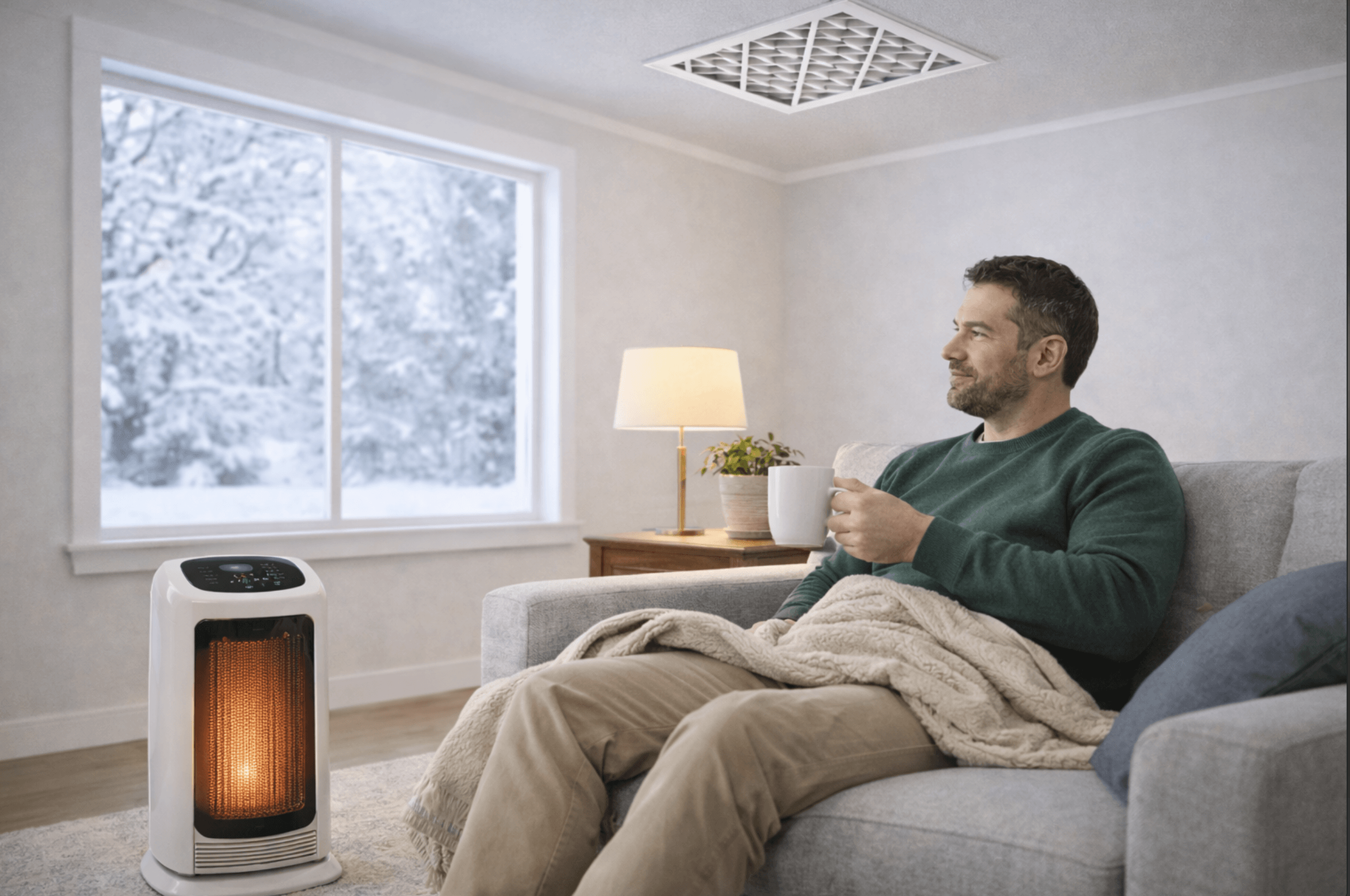
Winter brings cozy evenings, warm blankets, and hot drinks, but it also changes the air inside our homes. As temperatures drop, most people keep windows closed and rely on heating systems for long periods. While this keeps the house warm, it can also lead to dry air, poor ventilation, dust buildup, and indoor pollutants that affect comfort and overall well-being.
The good news is that you do not need expensive renovations to create a healthier indoor environment. A few simple habits can improve indoor air quality, reduce dryness, and make your home feel fresher throughout the season. Whether you work from home, have children, or simply want to enjoy a comfortable living space, these practical winter indoor air tips can make a noticeable difference.
Why Indoor Air Quality Matters During Winter

During winter, homes become more airtight because doors and windows remain closed for longer periods. This limits fresh air circulation and allows indoor pollutants to accumulate.
Common indoor pollutants during winter include:
- Dust and dust mites
- Pet dander
- Mold spores
- Smoke from fireplaces or candles
- Cooking fumes
- Volatile Organic Compounds (VOCs) from cleaning products and furniture
At the same time, heating systems often reduce indoor humidity, making the air feel dry. This combination of stale and dry air may cause dry skin, irritated eyes, sore throats, and increased discomfort for people with allergies or asthma.
Improving indoor air quality helps create a cleaner, healthier, and more comfortable living environment throughout the colder months.
Keep Indoor Humidity at the Right Level
One of the biggest challenges during winter is overly dry indoor air.
Experts generally recommend maintaining indoor humidity between 30% and 50%. This range helps improve comfort while reducing the chances of mold growth and excessive dryness.
Simple ways to maintain healthy humidity include:
Use a Humidifier
A quality humidifier adds moisture back into dry indoor air. Place it in frequently used rooms such as bedrooms or living rooms and clean it regularly to prevent bacteria or mold buildup.
Add Indoor Plants
Certain houseplants naturally release moisture into the air through transpiration. While they cannot replace a humidifier, they can slightly improve humidity while making your home feel more inviting.
Dry Laundry Indoors Occasionally
Allowing clothes to air-dry inside can gently increase indoor humidity during particularly dry winter days.
Monitor Humidity
An inexpensive hygrometer helps you track indoor humidity levels so you can avoid air becoming too dry or too damp.
Improve Ventilation Even When It’s Cold
Many people avoid opening windows during winter, but fresh air is still important.
Proper ventilation helps remove stale air, excess moisture, odors, and airborne pollutants.
Here are practical ways to improve airflow:
- Open windows for 5–10 minutes during warmer parts of the day.
- Create cross ventilation by opening windows on opposite sides of the home.
- Use bathroom exhaust fans after showers.
- Turn on kitchen exhaust fans while cooking.
- Keep air vents unobstructed by furniture or curtains.
Even a few minutes of fresh air each day can noticeably improve indoor air quality.
Change HVAC Filters Regularly
Heating systems continuously circulate indoor air.
Dirty air filters collect dust, pollen, pet hair, and other particles. If left unchanged, they reduce airflow and spread accumulated debris throughout your home.
Depending on your heating system and household conditions:
- Check filters every month during winter.
- Replace disposable filters every one to three months.
- Clean reusable filters according to the manufacturer’s instructions.
Homes with pets or allergy sufferers may require more frequent filter changes.
Keep Your Home Clean Without Overusing Chemicals

Dust accumulates faster when homes remain closed throughout winter.
Regular cleaning helps reduce airborne particles while maintaining healthier indoor air.
Helpful cleaning habits include:
Vacuum Frequently
Use a vacuum cleaner with a HEPA filter if possible. It captures finer dust particles that ordinary vacuums may release back into the air.
Dust with Microfiber Cloths
Microfiber cloths trap dust instead of spreading it around the room.
Wash Bedding Weekly
Beds collect dust mites, skin cells, and allergens. Washing sheets, pillowcases, and blankets regularly helps reduce these irritants.
Reduce Clutter
Less clutter means fewer surfaces where dust can settle.
Choose Gentle Cleaning Products
Strong chemical cleaners may release VOCs into indoor air. Whenever possible, select low-VOC or fragrance-free alternatives.
Let Natural Sunlight In
Winter days are shorter, but sunlight still offers several benefits.
Opening curtains during daylight hours allows sunlight to:
- Naturally warm rooms
- Reduce dampness
- Brighten indoor spaces
- Improve overall comfort
- Support a pleasant living atmosphere
Clean windows also allow more natural light to enter your home.
Avoid Indoor Air Pollutants
Many everyday activities introduce pollutants into indoor air.
Reducing these sources can significantly improve air quality.
Consider these simple changes:
- Avoid smoking indoors.
- Limit the use of scented candles.
- Choose fragrance-free air fresheners.
- Never idle vehicles inside attached garages.
- Store paints, solvents, and chemicals safely outside living areas.
- Use exhaust fans while cooking.
Small adjustments can greatly reduce airborne contaminants over the winter season.
Add Air-Purifying Plants
While houseplants should not replace proper ventilation or air filtration, they can enhance indoor spaces and contribute modestly to cleaner air.
Popular indoor plants include:
- Snake Plant
- Spider Plant
- Peace Lily
- Areca Palm
- Boston Fern
Always choose plants that are safe if you have pets or small children.
Maintain Your Heating System
Your heating system plays a major role in indoor comfort.
Schedule regular maintenance before or during winter to ensure efficient operation.
Basic maintenance includes:
- Cleaning vents
- Inspecting ducts
- Checking thermostats
- Looking for air leaks
- Removing dust around heating units
A well-maintained heating system provides more consistent warmth while supporting better airflow.
Seal Drafts Without Blocking Fresh Air
Cold drafts often make homes uncomfortable and increase heating costs.
Seal gaps around:
- Windows
- Doors
- Electrical outlets on exterior walls
- Attic access points
Weather stripping and door sweeps help keep warm air inside.
However, remember that completely sealing a home without occasional ventilation can reduce indoor air quality. Finding the right balance is essential.
Drink More Water During Winter
Indoor comfort is not only about the air around you.
Dry winter air can increase moisture loss from your body, making hydration even more important.
Drink water regularly throughout the day to help:
- Reduce dry throat
- Support healthy skin
- Maintain overall comfort
- Improve daily well-being
Warm herbal teas can also contribute to hydration during colder months.
Keep Bedrooms Comfortable for Better Sleep
Bedrooms deserve special attention because people spend many hours there every night.
To improve sleeping comfort:
- Keep humidity between 30% and 50%.
- Wash bedding regularly.
- Avoid heavy fragrances before bedtime.
- Vacuum carpets frequently.
- Maintain a comfortable room temperature.
- Consider using a humidifier if the room feels especially dry.
Cleaner air often contributes to a more relaxing sleeping environment.
Use Air Purifiers Where Needed
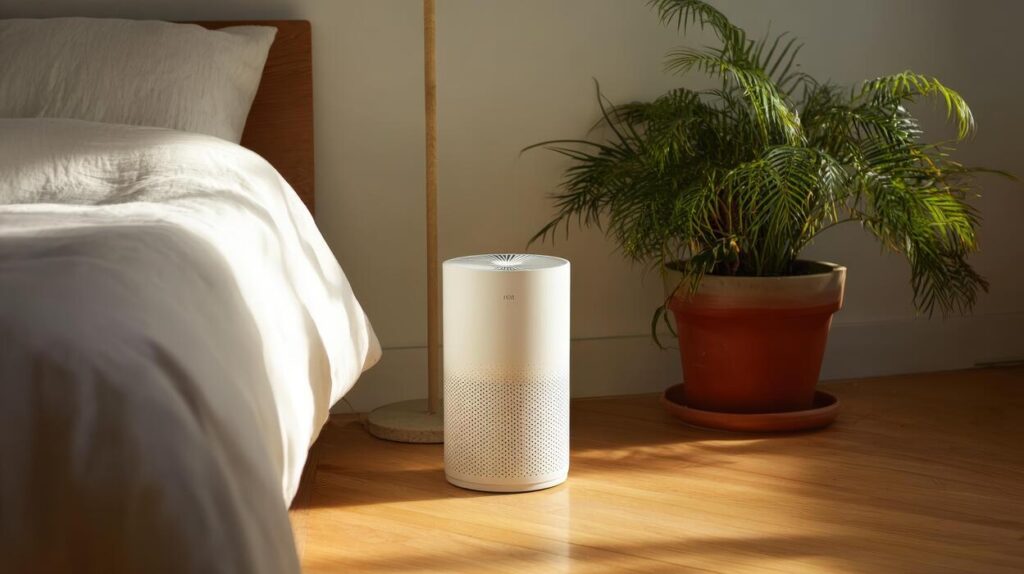
If someone in your household has allergies, asthma, or sensitivity to airborne particles, an air purifier can be a helpful addition.
Look for features such as:
- HEPA filtration
- Quiet operation
- Appropriate room coverage
- Energy efficiency
- Easy filter replacement
Place the purifier in rooms where you spend the most time for the greatest benefit.
Common Winter Indoor Air Mistakes
Many homeowners unknowingly reduce indoor air quality through everyday habits.
Avoid these common mistakes:
- Never changing HVAC filters
- Running humidifiers without cleaning them
- Blocking heating vents
- Keeping windows closed all season
- Overusing scented candles
- Ignoring mold around bathrooms or windows
- Using harsh chemical cleaners daily
Correcting these habits can noticeably improve both comfort and indoor air quality.
Daily Winter Indoor Air Checklist
A simple routine helps maintain healthier indoor air throughout the season.
Try to:
- Open windows for a few minutes each day.
- Monitor indoor humidity.
- Vacuum high-traffic areas.
- Dust surfaces with microfiber cloths.
- Replace HVAC filters as needed.
- Keep indoor plants healthy.
- Use kitchen and bathroom exhaust fans.
- Stay hydrated.
These small daily actions work together to create a fresher indoor environment.
Frequently Asked Questions
How often should I open windows during winter?
Opening windows for 5 to 10 minutes once or twice a day is usually enough to bring in fresh air while minimizing heat loss.
What is the ideal indoor humidity level in winter?
A humidity level between 30% and 50% is generally considered comfortable and helps prevent excessive dryness without encouraging mold growth.
Can indoor plants improve air quality?
Indoor plants can contribute modestly to humidity and create a more pleasant environment, but they should complement—not replace—good ventilation and proper air filtration.
Do air purifiers help during winter?
Yes. Air purifiers equipped with HEPA filters can help reduce airborne dust, pollen, pet dander, and other fine particles, especially in frequently used rooms.
Why does my home feel dry during winter?
Heating systems often lower indoor humidity while closed windows reduce fresh air exchange. Together, these factors create dry indoor conditions that can affect comfort.
Conclusion
Creating a healthier home during the colder months does not require major changes. By maintaining proper humidity, improving ventilation, replacing HVAC filters, reducing indoor pollutants, and following simple cleaning habits, you can enjoy a fresher and more comfortable living space all winter long.
These practical Winter Indoor Air Tips for Better Comfort help balance warmth with cleaner air, making your home a more enjoyable place to relax, work, and spend time with family. Small improvements made consistently throughout the season can have a lasting impact on indoor comfort and overall well-being.

Leave a Reply