
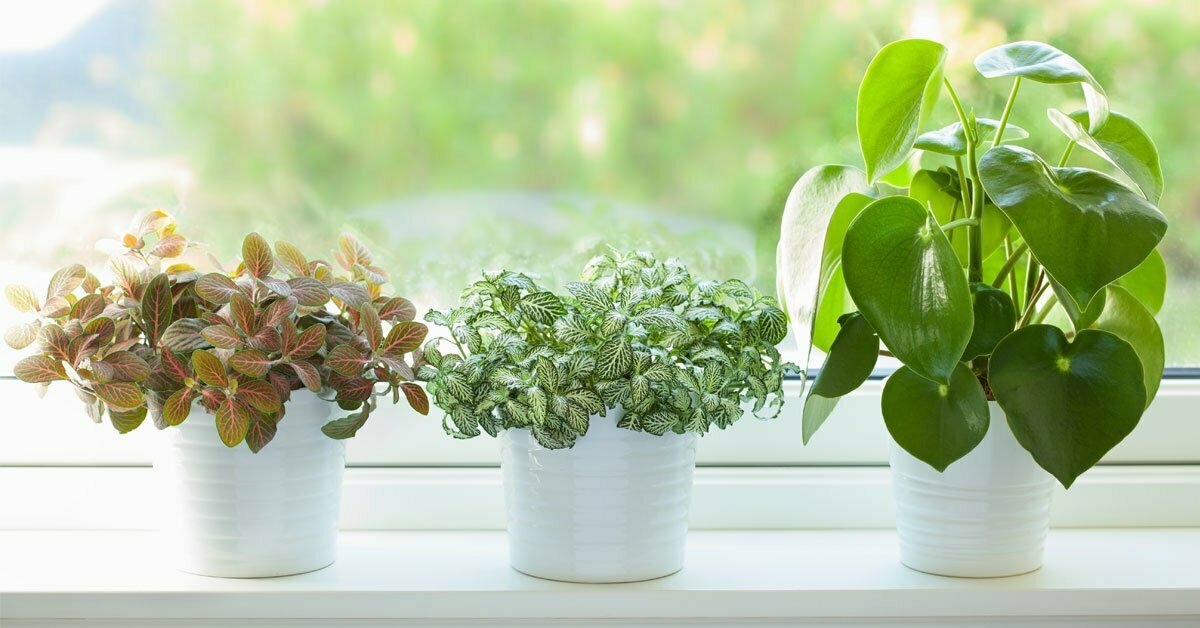
Indoor plants do much more than decorate a room. They bring a sense of calm, add natural beauty, and make living spaces feel more welcoming. Many beginners also choose indoor plants because they are believed to help improve indoor air quality while increasing humidity and creating a healthier home environment.
If you’re new to gardening, choosing the right plants is the key to success. Some indoor plants require very little maintenance, tolerate occasional neglect, and continue thriving with minimal care. In this guide, you’ll discover the Best Air-Purifying Indoor Plants for Beginners, along with simple care tips and practical advice to help your indoor garden flourish.
Why Choose Air-Purifying Indoor Plants?
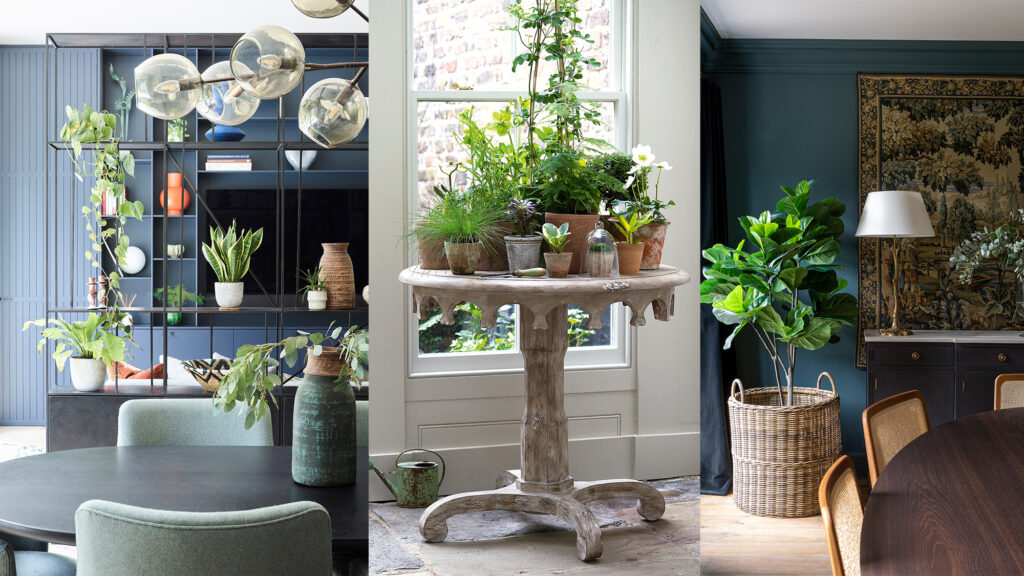
Many people spend most of their day indoors, whether at home or in the office. Indoor spaces can contain dust, allergens, and airborne pollutants from furniture, paints, and cleaning products.
Although no houseplant can completely clean indoor air on its own, research suggests that indoor plants may contribute to a healthier environment by increasing humidity, trapping dust particles, and creating a more relaxing atmosphere. Combined with good ventilation and regular cleaning, indoor plants are an excellent addition to any home.
Benefits include:
- Adds natural beauty to your home
- Creates a calming atmosphere
- May help improve indoor humidity
- Easy way to start gardening
- Suitable for apartments and small spaces
- Can reduce stress and improve mood
How to Choose Indoor Plants as a Beginner
Before buying your first plant, consider these important factors.
Light Availability
Observe how much sunlight enters your room. Some plants thrive in bright indirect light, while others tolerate low-light conditions.
Watering Needs
Beginners should select plants that don’t require frequent watering. Overwatering is one of the biggest reasons indoor plants die.
Space
Choose plants that match your available space. Compact plants fit desks and shelves, while larger varieties become attractive floor plants.
Pet Safety
If you have cats or dogs, always check whether a plant is pet-friendly before bringing it home.
Best Air-Purifying Indoor Plants for Beginners
1. Snake Plant
Snake Plant is one of the easiest indoor plants to grow. Its upright leaves make it perfect for bedrooms, offices, and living rooms.
Why beginners love it:
- Extremely low maintenance
- Survives occasional neglect
- Requires little watering
- Grows well in low to bright light
Care Tips:
- Water every 2–3 weeks
- Avoid soggy soil
- Place in indirect sunlight for best growth
2. Spider Plant
Spider Plants are famous for producing baby plants that can easily be propagated.
Benefits:
- Beginner-friendly
- Fast-growing
- Attractive hanging foliage
- Easy to multiply
Care Tips:
- Bright indirect light
- Water when the top inch of soil feels dry
- Trim brown leaf tips if necessary
3. Peace Lily
Peace Lily produces elegant white flowers while adding greenery to indoor spaces.
Benefits:
- Beautiful blooms
- Compact size
- Suitable for bedrooms
Care Tips:
- Keep soil slightly moist
- Avoid direct afternoon sun
- Mist occasionally during dry weather
4. Pothos
Pothos is often recommended as the perfect first houseplant because it grows almost anywhere.
Benefits:
- Fast-growing vines
- Tolerates low light
- Easy to propagate
Care Tips:
- Water every 1–2 weeks
- Allow soil to dry slightly
- Trim vines to encourage fuller growth
5. ZZ Plant
The ZZ Plant is one of the toughest indoor plants available.
Benefits:
- Handles neglect
- Needs very little water
- Grows in low light
Care Tips:
- Water only when soil dries completely
- Avoid excessive moisture
- Clean leaves occasionally
6. Areca Palm
Areca Palm adds a tropical feel to homes.
Benefits:
- Large decorative foliage
- Natural humidifier
- Excellent for spacious rooms
Care Tips:
- Bright filtered light
- Moderate watering
- Keep away from cold drafts
7. Chinese Evergreen
Chinese Evergreen offers colorful foliage and exceptional adaptability.
Benefits:
- Easy maintenance
- Attractive leaf patterns
- Great for offices
Care Tips:
- Low to medium light
- Water moderately
- Fertilize monthly during the growing season
8. Aloe Vera
Besides its medicinal gel, Aloe Vera is a beautiful succulent.
Benefits:
- Easy care
- Minimal watering
- Modern appearance
Care Tips:
- Bright sunlight
- Water only after soil dries completely
- Use well-draining cactus soil
Common Mistakes Beginners Should Avoid
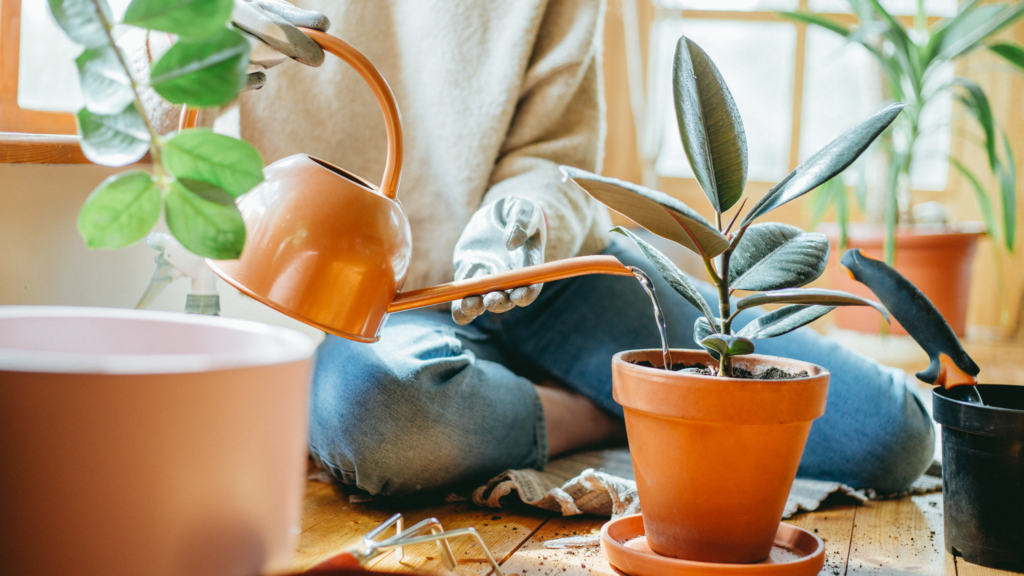
Most indoor plant problems happen because of simple care mistakes.
Avoid these common errors:
- Watering too frequently
- Using pots without drainage holes
- Keeping plants in complete darkness
- Ignoring dusty leaves
- Using garden soil instead of potting mix
- Fertilizing too often
- Moving plants constantly
A consistent care routine helps plants stay healthy for years.
Basic Indoor Plant Care Tips
Healthy indoor plants don’t require complicated routines.
Water Properly
Always check the soil before watering. Insert your finger about one inch into the soil. If it feels dry, it’s usually time to water.
Provide Adequate Light
Different plants require different lighting conditions. Rotate plants occasionally so all sides receive equal light.
Keep Leaves Clean
Dust blocks sunlight from reaching leaves. Wipe leaves gently with a soft damp cloth every few weeks.
Use Proper Pots
Containers with drainage holes prevent root rot and improve plant health.
Fertilize Occasionally
Apply a balanced liquid fertilizer once every month during spring and summer.
Where to Buy Healthy Indoor Plants
You can purchase quality indoor plants from:
- Local plant nurseries
- Garden centers
- Home improvement stores
- Farmers’ markets
- Trusted online plant shops
Choose plants with healthy green leaves, strong stems, and no visible pests.
Which Indoor Plant Is Best for Your Home?
Different homes have different lighting conditions.
Best for Bedrooms
- Snake Plant
- Peace Lily
- ZZ Plant
Best for Offices
- Pothos
- Chinese Evergreen
- Snake Plant
Best for Bathrooms
- Peace Lily
- Spider Plant
Best for Living Rooms
- Areca Palm
- Pothos
- ZZ Plant
Do Air-Purifying Plants Really Clean Indoor Air?
Many people believe indoor plants completely purify indoor air. Scientific studies show that while plants can absorb certain compounds under controlled conditions, their real-world impact inside homes is relatively limited. However, they still provide several valuable benefits.
Indoor plants can:
- Increase indoor humidity
- Capture some dust particles
- Improve visual comfort
- Reduce stress
- Make indoor spaces feel fresher and more relaxing
For the healthiest indoor environment, combine plants with proper ventilation, regular cleaning, and good air circulation.
Styling Tips for Indoor Plants
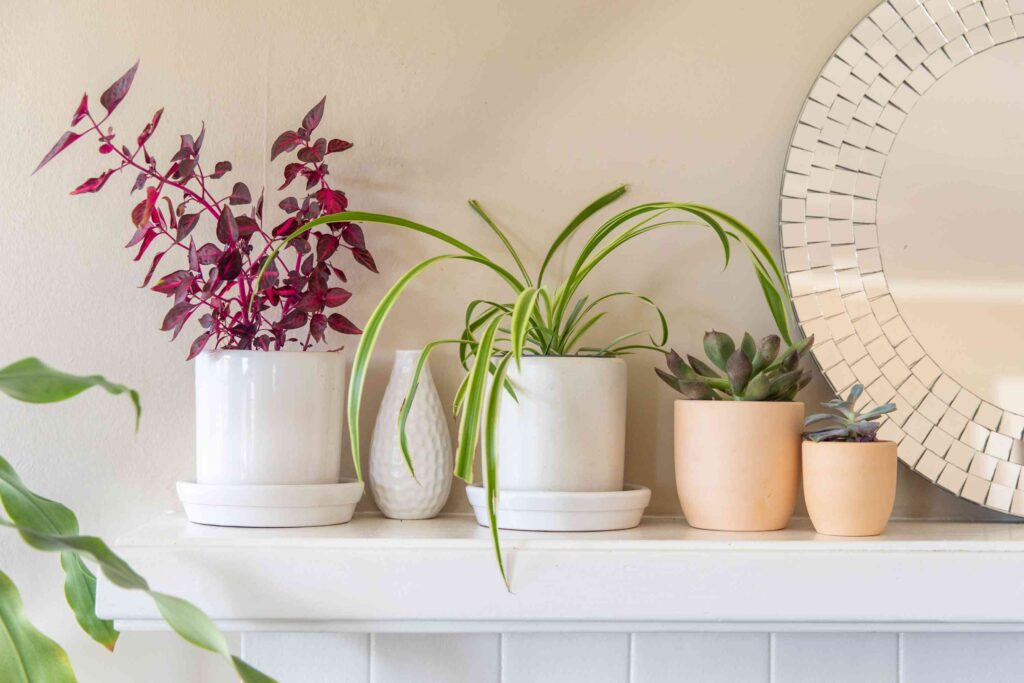
Indoor plants can become part of your home décor.
Ideas include:
- Use woven baskets for large plants.
- Place small plants on floating shelves.
- Hang Spider Plants near windows.
- Group plants of different heights together.
- Match decorative pots with your room’s color scheme.
- Place one statement plant in empty corners.
Thoughtful placement creates a fresh, balanced look without overcrowding your space.
Frequently Asked Questions
1. Which is the easiest indoor plant for beginners?
Snake Plant and ZZ Plant are among the easiest choices because they require little watering and tolerate different lighting conditions.
2. How often should indoor plants be watered?
It depends on the plant and the season. Most beginner-friendly plants need watering only after the top layer of soil becomes dry.
3. Can indoor plants survive in low light?
Yes. Snake Plant, ZZ Plant, Pothos, and Chinese Evergreen grow well in low-light environments.
4. Do indoor plants need fertilizer?
Yes, but only during active growing seasons. Feeding plants once a month in spring and summer is usually enough.
5. Which indoor plant requires the least maintenance?
The ZZ Plant is one of the lowest-maintenance indoor plants because it stores water in its roots and tolerates neglect.
Conclusion
Choosing the Best Air-Purifying Indoor Plants for Beginners doesn’t have to be difficult. Start with low-maintenance options like Snake Plant, Pothos, Spider Plant, or ZZ Plant, and focus on simple care habits such as proper watering, adequate light, and occasional cleaning.
Remember that indoor plants are not a replacement for good ventilation or air purifiers, but they do make your living space greener, more relaxing, and more enjoyable. With patience and consistent care, even first-time plant owners can create a thriving indoor garden that adds beauty and freshness to every room.

Leave a Reply